04Apr

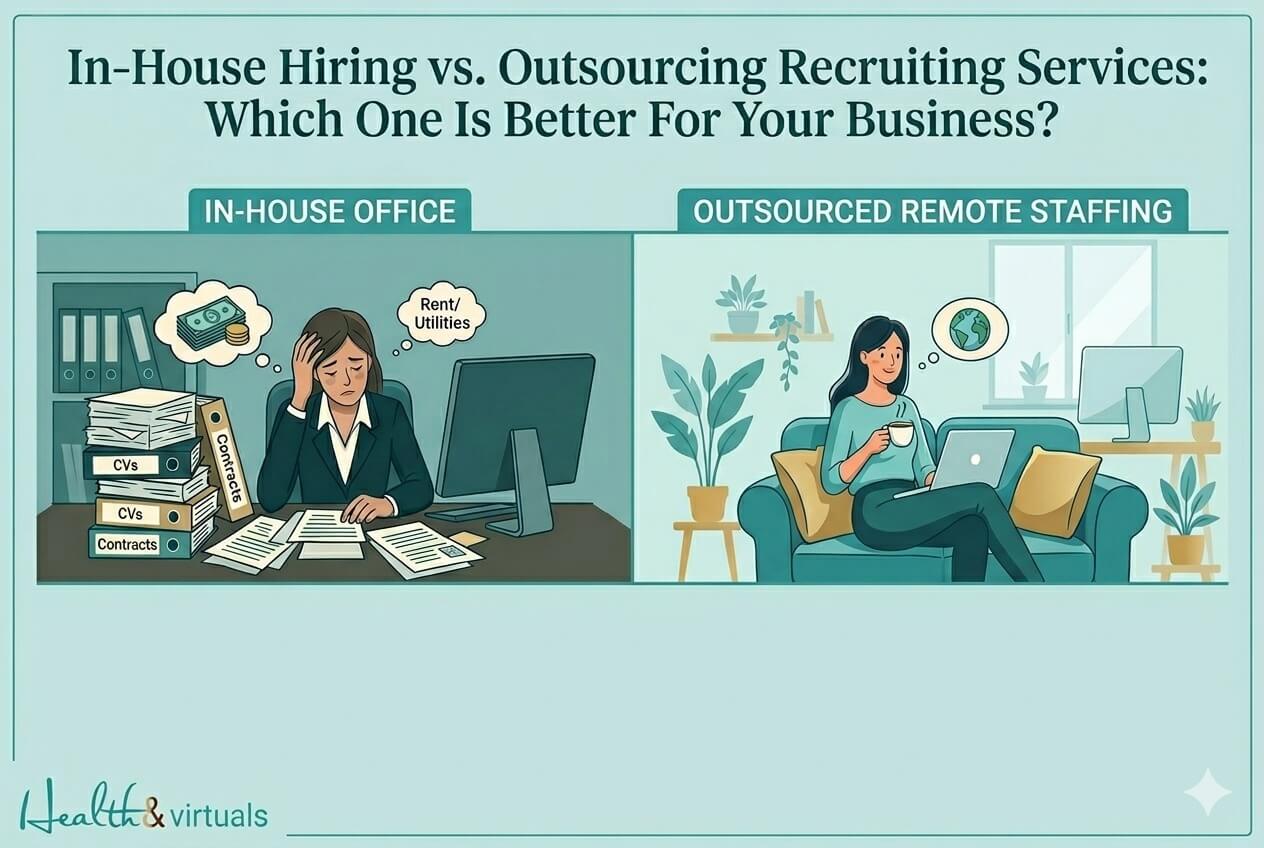
In-House Hiring vs. Outsourcing Recruiting Services: Which One Is Better For Your Business?

One of the most exhausting corporate tasks is hiring. Finding employees today is no longer just about filling vacancies… It’s about building a system that drives development, productivity, and long-term sustainability. While companies are no longer limited to local talent pools, many still rely on traditional in-house hiring processes that are increasingly slow and inefficient.

On average, it takes 30 to 45 days to hire a candidate. At the same time, the full-time-to-fill cycle can stretch to 63–68 days depending on the industry. For senior and executive roles, this timeline can extend to 90–120 days, delaying business operations even further.

The complexity of modern hiring is a major contributor. 

Companies now conduct multiple interview rounds… often up to 20 per hire, significantly increasing delays. As a result, 60% of organizations report longer hiring timelines, and many fail to meet their hiring goals altogether.

What once emerged as a pandemic-era workaround, remote staffing, has now evolved into a strategic advantage. By tapping into global talent pools and streamlining recruitment processes, businesses can reduce hiring timelines by up to 20–50%, transforming hiring from a bottleneck into a competitive edge.

It does not matter which option is better in general. But which is better for your business model in the present? And the solution of agency vs. in-house recruitment lies in cost structure, operational requirements, and the definition of productivity.


What Is In-House Hiring?

in-person medical scribe documenting patient visit beside physician in clinic exam room

In-house hiring means hiring employees who are physically present in your organization, usually in your office premises. These workers belong to your internal team, usually on a full-time basis, and work in a structured setting.

This classical paradigm provides regulation, homogeneity, and immediate oversight, which is why the model remains popular in various sectors of the economy. Such as manufacturing, healthcare, and finance.

Pros of In-House Hiring

→ Control: It is one of the largest benefits of in-house hiring. Managers will be able to monitor work directly, give feedback in real-time, and maintain the correspondence to the company’s goals.

→ Cohesion: It also has better team cohesion. Workers residing in the same room are bound to establish relationships, which may enhance cooperation and communication.

→ Security: Data security is the other advantage. In sensitive industries, in-house teams are more favored since risks involved with external access are minimized.

→ Less complicated hiring: Finally, the process of onboarding and training is usually less complicated. Knowledge transfer and cultural integration are faster through face-to-face interaction.

Cons of In-House Recruiting

In spite of the advantages, there are serious disadvantages that are associated with in house recruitment.

→ Cost: Overheads, equipment, salaries, and office space can add up very fast. As reported by the Society of Human Resource Management, the average cost per hire may be higher than 4,700 dollars without considering the long term employment costs.

→ Accessibility: Talent is also not easily accessible. You can only have candidates who are within your geographic area, and this may be a significant drawback in niche jobs.

→ Time-consuming: Also, it is not as fast as scaling. Recruiting, training, and developing teams takes time and resources.


What Is Remote Staffing?

Remote professionals working from different locations worldwide

Remote staffing is a practice where professionals are employed even though they are not in your office physically. They are often located in different geographical areas, usually worldwide. These employees may be full-time, part-time and contractual.

Remote staffing is now a thing of the present as digital tools have advanced. Websites such as Upwork and Toptal have simplified the process of finding talented workers across the globe.

Pros of Remote Staffing

→ Cost Saving: The most visible benefit is a savings in costs. Businesses are able to save on office rent, electricity, and even wages when they employ in areas that have lower standards of living.

→ Access to Talent: Virtual staffing also provides access to an international talent pool. Businesses are able to recruit the most suitable individual to work in the organization instead of settling with the candidates who are available within the area.

→ Flexibility: The other significant advantage is flexibility. The remote teams are able to work in different time zones, which allows them to be productive 24 hours a day.

Productivity: A Stanford University study discovered that telecommuters are up to 13 percent more productive than their office colleagues.

Cons of Remote Staffing

Nonetheless, remote staffing is not a problem-free solution. 

→ Time Zone: The time zone difference or absence of a face-to-face interaction may create communication gaps.

→ Scattered Staff: Less team cohesion is also a possibility. Unwittingly, virtual staffing teams can be disconnected from the company culture.

→ Control Issues: It can also be difficult to control performance when not in the office. It involves powerful systems, effective KPIs, and leadership.

→ Security: Lastly, data security is something that may be a concern, particularly with the absence of proper protocols.


Key Differences Between In-House Hiring and Remote Staffing

At a basic level, the distinction between in-house vs external remote recruitment agencies is in place and type. Internal recruiting provides stability and control. Whereas remote staffing focuses on flexibility and scalability.

Internal talent acquisition teams are optimised using direct supervision and teamwork, but remote teams are optimised using digital communication and independence.

There is also a significant difference in cost structures, one of which is fixed overhead, whereas the other is more variable and, generally, lower.

In-House Hiring vs Remote Staffing: Quick Comparison

Factor In-House Hiring Remote Staffing
Cost Efficiency High overhead (rent, utilities, benefits)

Training & retention expenses

Lower operational costs

No office expenses

Productivity ⚖️ Direct communication advantage

No Office distractions

No Commute fatigue

Fewer distractions

No commute = more work time

91% higher job satisfaction

Efficiency Real-time decisions

Faster collaboration

Depends on tools & management

Can streamline workflows digitally

Flexibility Rigid structure

Hard to scale quickly

Highly flexible

Easy to scale up/down

Scalability Slow hiring & onboarding

Infrastructure limitations

Rapid hiring

No physical limitations

Access to Talent Limited to local talent pool

High competition in cities

Global talent access 🌍

Easier to find specialized skills

Employee Satisfaction Stable but routine-bound Higher satisfaction & work-life balance
Long-Term Sustainability Expensive to maintain Cost-effective & growth-friendly

Cost Comparison: Which Is More Affordable?

→ In-House Hiring Costs

In-house recruitment involves both expense visibility and invisibility. Only one aspect of the equation is salaries. You also have to include office rent, equipment, utilities, insurance and employee benefits.

As an example, an employee working in a mid-level position in a large city may attract 1.25-1.4 times his base salary with overhead factored.

They are further accompanied by the costs of training and retention, which are more pronounced in high-turnover industries.

→ Remote Staffing Costs

Overhead is saved greatly by remote staffing. Physical office area is not required, and the cost of operation is low.

Geographic salary arbitrage is also a good idea in many companies and that is, to get qualified professionals in areas where the wages are low, and talent is high.

Global Workplace Analytics estimates that companies could save more than 11000 US dollars annually per virtual staffing worker.


Efficiency and Productivity

→ In-House Teams

In-house teams have the advantage of direct communication and simpler collaboration. Meetings are easier to arrange, and decision-making can be done in real time.

Nevertheless, office distractions, long commutes and strict schedules might sometimes have an impact on productivity.

→ Remote Teams
Remote professionals working from different locations worldwide

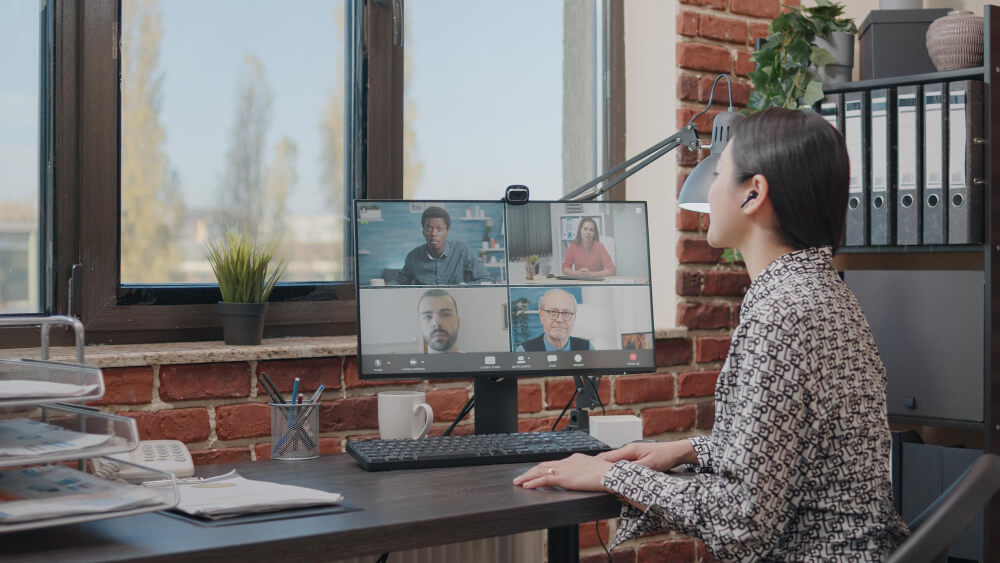
Remote teams tend to be more effective as far as the concentration of work is concerned. Employees will be able to spend more time working without commuting and being interrupted by the office.

Buffer conducted a study that revealed that 91% of remote workers said they are more satisfied with their job, which correlates directly with productivity.

With this said, however, effective tools and management practices are essential to success.


Flexibility and Scalability

→ In-House Hiring

Ramping up internal recruiting is time-consuming. Recruitment, onboarding and setting up infrastructure may decelerate growth.

Flexibility is not very much, either. Demand-based adjustment of the workforce can be expensive and complicated.

→ Remote Staffing

Remote staffing is excellent in scalability. Companies are able to add or remove employees within a short time, depending on the project requirement.

This model is especially useful in a start-up or developing company that would require agility without significant commitment.


Access to Talent

→ In-House Hiring

In-house hiring has the limitation of talents pool being restricted to your locality. This may complicate the task of locating very specialized skills.

Salaries are also increased due to the competition for the best talent in big cities.

→ Remote Staffing

Virtual staffing for business growth i, lady working from different time xoneRemote staffing eliminates geographical boundaries. You are able to employ the best professionals throughout the world via remote channels.

It is particularly useful in such positions as tech, marketing, and customer support, where the global experience is plentiful.


When Should You Choose In-House Hiring?

In-house recruitment is best in cases where your company needs close oversight, excessive cooperation or where data security is paramount.

  • This model is beneficial to such industries as healthcare, manufacturing and finance.
  • It is also an excellent option when a powerful internal culture is one of the priorities.

When Should You Choose Remote Staffing?

Remote staffing is most effective when there are flexibility, cost reduction, and the availability of global talent.

  • This model is more efficient with startups, digital businesses, and companies that have project-based work.
  • It is also best suited to jobs that do not need physical presence like virtual assistants, developers and content creators.

Challenges of In-House Hiring

tired office staff due to work burden

In-house recruiting is associated with long-term obligations. After employees have been recruited, it may be challenging and expensive to downsize the workforce.

It is also the difficulty of keeping employees engaged and keeping up with overhead expenses. Moreover, companies can also find it challenging to meet the changing skills demands quickly.


Challenges of Remote Staffing

Remote staffing involves effective communication networks and expectations. In their absence, productivity is at risk of being affected.

The differences in time zones may cause delays, particularly in group projects. Moreover, a unified company culture cannot be established remotely without effort.


In-House vs Remote Staffing: Which One is the Best?

It’s difficult to choose one generalized answer. The right choice is determined by your business objectives, financial capacity, and business requirements.

In-house hiring is the best option in case you value control, stability, and face-to-face cooperation. On the other hand, remote staffing is the wiser option in case you want flexibility, cost effectiveness, and access to talent globally.

In most instances, a hybrid solution, which involves a combination of the two models, can present the best of the two worlds.


Searching for Remote Talent? Hire with Health & Virtuals!

Health and Jobs offering remote staffing solutions for medical virtual assistant and coordination roles

Remote staffing can be a major move in today’s global situation. In case you are willing to expand your business without the overhead associated with conventional hiring, we’re here to help. 

Health & Virtuals is the place where you can find pre-vetted remote professionals who are trained to provide an effective contribution to your business operations. You can get administrative help, find healthcare personnel, or hire specialists, all in one place. 

The right remote team can assist you in developing more rapidly, without sacrificing quality! 

Contact us today


FAQs

Is remote hiring cost-effective?

Yes, particularly with the consideration of decreased overhead, decreased costs of hiring, and the availability of international salary scales. The net present value of the savings can be high.

Can small businesses benefit from recruitment agencies?

Small businesses are the ones who usually gain the most. Agencies save on the time spent in hiring and also assist small groups in getting access to talent that they would otherwise not easily get without the assistance of the agency.

What industries benefit most from remote staffing?

Digital workflow industries, such as technology, marketing, finance, and customer service, are the most likely to experience the largest improvements.

Can businesses use both in-house and remote staffing?

Yes, they can, and many of them do. The default of hybrid models is based on the fact that they are not only stable but flexible.


02Apr

How Virtual Payroll Assistants Improve Accuracy, Timeliness, and Payroll Efficiency?

Payrolls play an integral role in the relationship between a business and its employees. Yet the errors pertaining to them are more common than the former realizes. A 2022 Ceridian survey concluded that nearly 33% of employers make mistakes each year due to compliance issues and technological limitations. 

To avoid employee dissatisfaction due to such errors and delays, businesses are now hiring virtual payroll assistants to ensure payroll tasks such as salary calculations, tax deductions, and payment processing are executed accurately while reducing administrative workload. 

Here’s what you need to know about a virtual payroll assistant to find out if they are the right fit for your company.


What Is a Virtual Payroll Assistant?

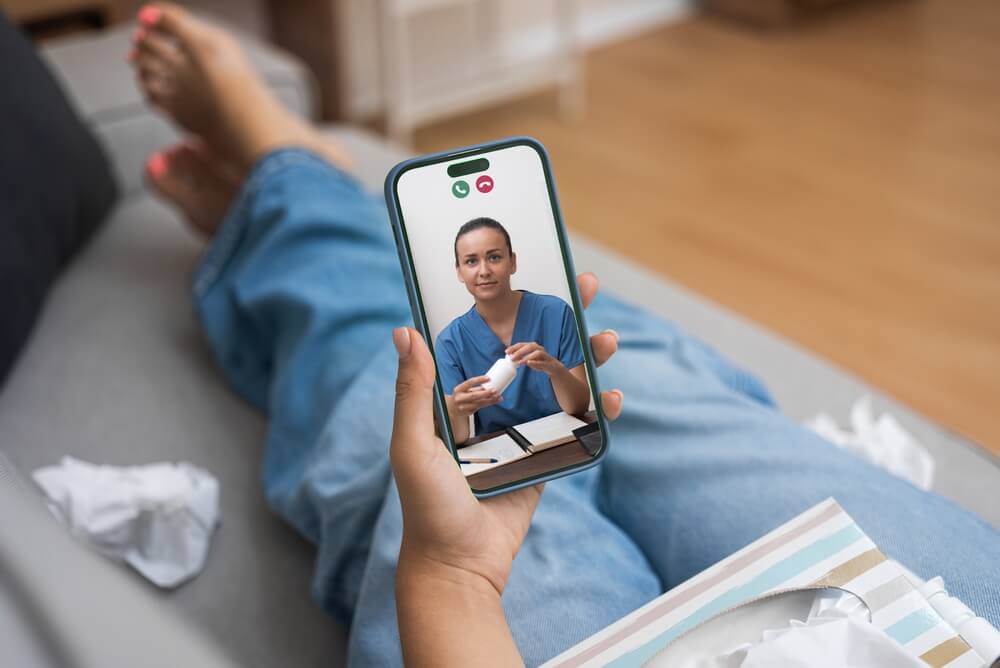
family nurse practitioner helping patient onlineA virtual payroll assistant is a remote professional who manages payroll processes of a business using digital tools and cloud-based systems. 

They typically handle the following tasks: 

  • Salary calculations and processing. 
  • Tax deductions and compliance.
  • Payroll data entry and recordkeeping.
  • Pay slip generation. 
  • Payment scheduling.

In simple terms, a virtual payroll assistant is hired to ensure employees are not only paid correctly but also on time. The remote nature of employment is an added bonus – helping businesses save on costs associated with in-house staff. 


Why Payroll Accuracy and Timeliness Matter?

skills for remote payroll assistant

Payroll is more than just paying employees. The whole process of remuneration for the workers has a direct impact on the business’s credibility and compliance. 

A payroll specialist is employed solely to handle issues pertaining to it, reinforcing the importance of hiring one. 

By ensuring accurate and timely payroll, a business is able to: 

→ Maintain employee trust and satisfaction. 

→ Avoid legal penalties and compliance issues. 

→ Ensure correct tax filings.

→ Prevent financial discrepancies.

→ Improve overall operations.

Do you know that even the smallest of payroll errors can lead to major consequences, such as employee disputes and regulatory fines, among others? 


Common Payroll Mistakes Businesses Make!

billing errors can be reduced by hiring virtual payroll assistantMost businesses struggle with the payroll part of their organization due to a lack of access to the right resources
The payment-related tasks are mostly dealt with manually by the company’s administrative staff, who are in no way experts in the matter. Thus, they may end up making the following mistakes:

Incorrect salary calculations

Mistakes in calculating wages, overtime, or bonuses can lead to underpaying or overpaying employees.

Missed or late payments 

Delays in payroll processing directly affect employees’ trust and morale due to late salary receipt.

Errors in tax deductions

Businesses suffer compliance issues and potential penalties from tax authorities due to incorrect tax withholdings.

Misclassification of employees

Wrongly categorizing employees can result in legal and tax complications.

Poor recordkeeping

Inaccurate or incomplete payroll records can cause issues in audits, reporting, and compliance.


How Virtual Payroll Assistants Improve Accuracy and Timely Payments?

A virtual payroll assistant plays a key role in minimizing the aforementioned errors and ensuring smooth operations. 

Automated and Accurate Calculations

Payroll assistants operating virtually have strong command over advanced digital softwares to ensure precise salary, tax, and deduction calculations.

Timely Payroll Processing

They follow strict payroll schedules to ensure employees are paid on time.

Compliance Management

Virtual assistants are mandated to stay updated with tax laws and labor regulations to reduce future compliance risks.

Organized Payroll Records

They are equipped to maintain accurate and well-structured payroll data that are beneficial for company audits and reporting.

Error Reduction

By eliminating manual data entry and double-checking information, they significantly reduce payroll mistakes.

In short, hiring remote payroll assistants is the fastest track to ensuring accurate and stress-free payroll management.


Cost Benefits of Virtual Payroll Assistants 

Cost Benefits of Virtual Payroll Assistants 

The ever-changing world of businesses has witnessed a growing trend of remote hiring in the last decade… This shift is often ascribed to substantial cost-saving at the organization’s end while ensuring the work quality remains the same, if not better. 

Thus, you are looking at several cost benefits should you decide to hire a remote payroll assistant. 

These include: 

  • No need for office space or equipment. 
  • Reduced employee benefits and overhead costs. 
  • Pay only for required services. 
  • Lower risk of costly payroll errors.
  • Increased operational efficiency.

Additional Business Benefits of Virtual Payroll Assistants

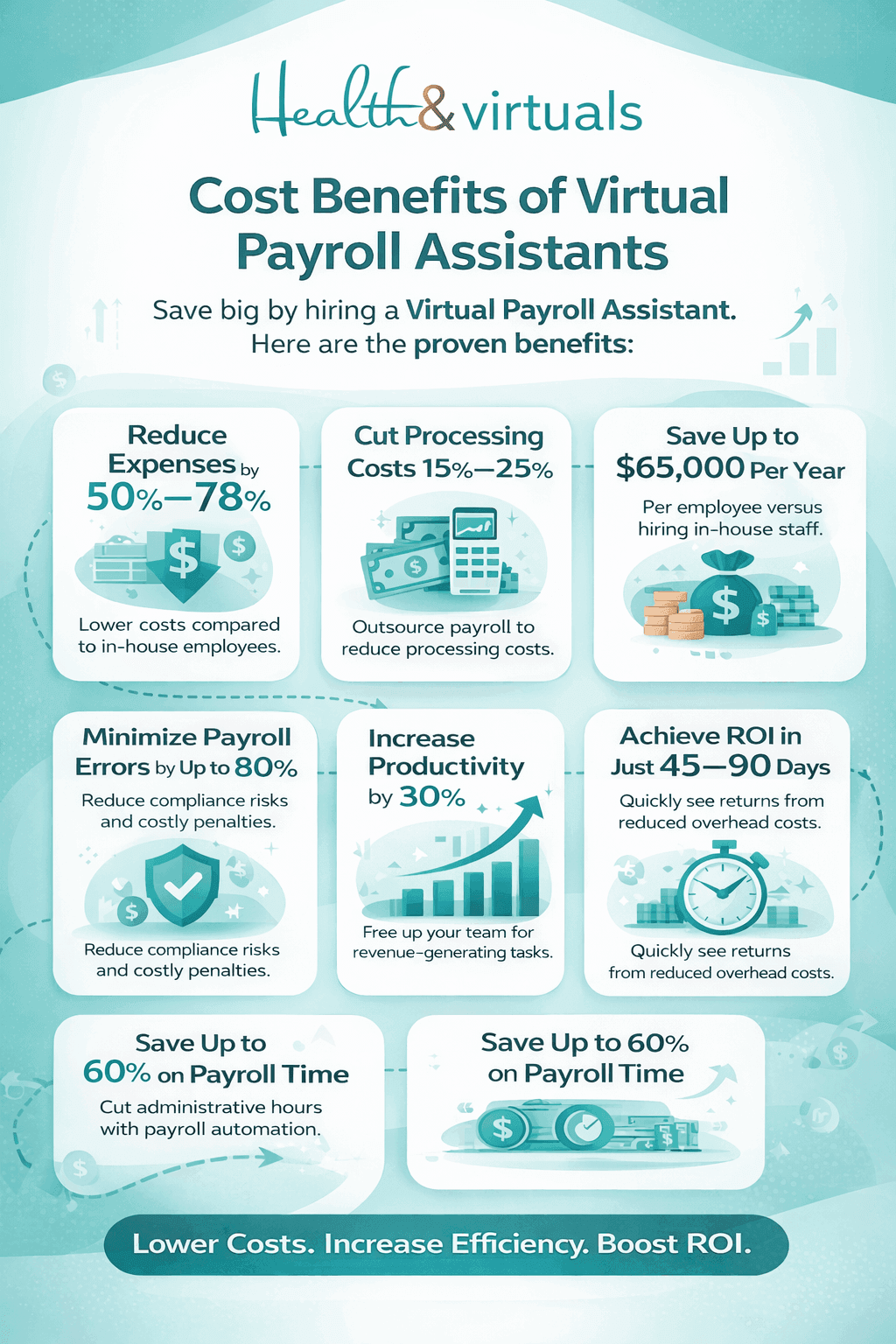
Significant Reduction in Operating Costs. Do you knowtaht you businesses can reduce operational expenses by 50% to 78% compared to full-time in-house employees. By using virtual assistants. 

Lower Payroll & Employment Expenses. Virtual assistants typically cost 50% less than full-time staff, as companies avoid expenses related to benefits, taxes, insurance, and paid leave.

Annual Savings Per Employee. According to experts, average companies can save up to $40-000 to $65,000 per year by hiring a virtual assistant instead of a traditional in-house employee.

Reduced Payroll Processing Costs. Outsourcing payroll functions can lower processing costs by 15% to 25% or more!

Making it a cost-efficient alternative… to maintaining an internal payroll department.

Minimized Risk of Costly Errors & Penalties. Payroll outsourcing reduces errors. How much? By up to 80%!!! It’s proven. 

Significantly lowering the risk of compliance fines and financial discrepancies.

Faster ROI and Financial Efficiency. Businesses adopting virtual assistants often see a return on investment within 45 to 90 days.

It is driven by immediate cost savings and productivity gains.

Improved Productivity = Indirect Cost Savings. Companies report up to a 30% increase in productivity when virtual assistants handle routine tasks.

This allows internal teams to focus on revenue-generating activities.

Reduced Administrative Time Costs. Payroll automation and outsourcing can cut processing time by up to 60%, translating into measurable labor cost savings.

Virtual payroll assistants are not just a cost-saving alternative… they represent a high-ROI operational strategy. 

By reducing labor costs, minimizing compliance risks, and improving efficiency, businesses can achieve both immediate financial relief and long-term scalability.


Virtual Payroll Assistants vs In-House Payroll Assistants 

Remote medical scribe representing technology to document live telehealth patient consultation

A payroll assistant working virtually or hired in-house essentially performs the same tasks. These include timely payment processing, recordkeeping, salary disbursement, and tax deductions. 

However, their site of work and setups make a huge difference in their overhead costs compared to employers. 

Here’s a quick comparison: 

→ Cost

Virtual payroll assistants cost significantly less because employers are saving on expenses like office space and employee benefits, both of which are non-negotiable for in-house staff. 

→ Flexibility

Virtual admin assistants can be hired on-demand or scaled as needed, as opposed to office-based employees who usually work fixed roles and schedules. 

→ Accessibility 

One of the most beneficial reasons why businesses may opt for a virtual role for a payroll assistant is that they can work across time zones and be available beyond standard work hours. 

→ Tools 

Virtual assistants have access to an array of updated, cloud-based payroll systems, while in-house teams may be forced to rely of varying or outdated tools provided by the company. 

→ Setup 

The onboarding process for a virtual payroll assistant requires minimal effort, while recruiting and training an in-house employee takes significantly more time and resources. 


When Should You Hire a Virtual Payroll Assistant? 

A business might consider hiring a virtual payroll assistant if:

  • Payroll errors are becoming frequent.
  • Employees are experiencing delayed payments.
  • Your team is overwhelmed with administrative tasks.
  • You want to reduce payroll-related costs.
  • Your business is scaling and payroll complexity is increasing.

Recognizing these signs early can help prevent bigger financial and compliance issues.


Streamline Your Payroll Process with Trusted Virtual Payroll Support from Health & Virtuals!

Efficient management of payroll is not easy; it requires accuracy, consistency, and up-to-date knowledge of global workplace regulations. Payroll assistants are the safest bet to ensure the provision of expertise and support needed to simplify payroll operations. In case of virtual hiring, it also significantly reduces administrative burden on the in-house staff. 

At Health & Virtuals, we connect businesses with experienced virtual payroll professionals who handle everything from salary processing to compliance management. Our experts ensure your payroll runs smoothly, accurately, and on time, every time.

Why Choose Health & Virtuals?

what makes health and virtuals different copy (1)

Choose Health & Virtuals to find the next best hire for your organization with a promise of: 

  • Skilled and experienced payroll professionals.
  • Accurate and compliant payroll processing.
  • Flexible and scalable solutions.
  • Secure and reliable systems.
  • Dedicated support tailored to your business needs.

We help you focus on growing your business while we take care of your payroll.

If you are ready to simplify your payroll process and eliminate costly errors, Health & Virtuals is at your service to connect you with trusted virtual payroll assistants who ensure accurate, timely, and efficient payroll management.


FAQs

What does a virtual payroll assistant do? 

A virtual payroll assistant manages payment-related tasks of a company. These include salary processing, tax deductions, and keeping payment records for audits and reporting.

How can a payroll virtual assistant help with taxes? 

A virtual payroll assistant is well-versed in finance regulations and may help in managing compliance, calculating deductions, and preparing tax documents.  

Can virtual payroll assistants handle multi-state payroll? 

Yes, virtual payroll assistants are remote specialists who can manage multi-state payroll by ensuring compliance with different state tax, regulations, and filing requirements.

What types of businesses benefit from virtual payroll assistants?

Small to mid-sized businesses, startups, and growing companies benefit most from hiring payroll assistants remote to streamline their operations.

01Apr

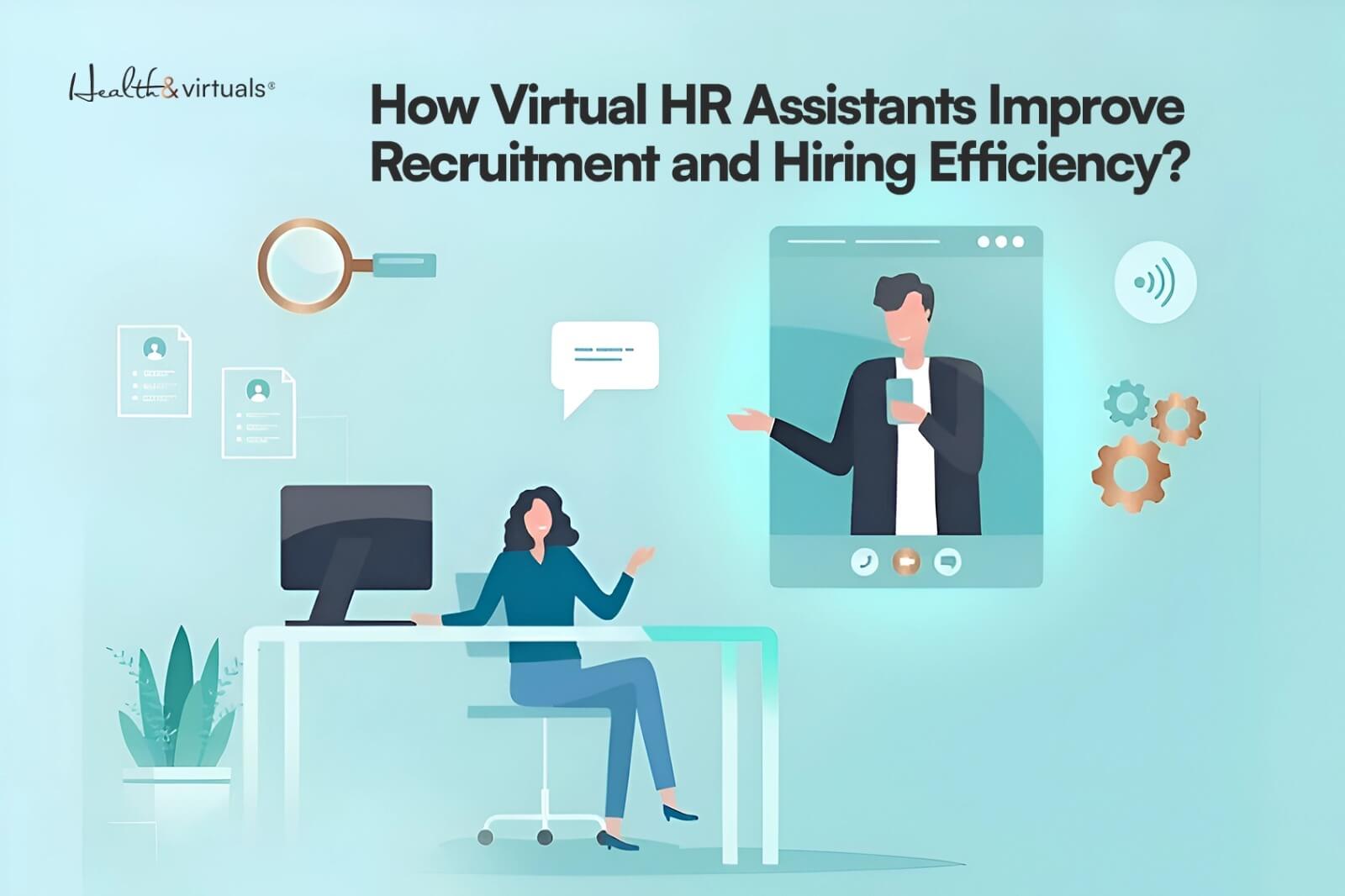
How Virtual HR Assistants Improve Recruitment and Hiring Efficiency?

Hiring today is not what it used to be in earlier days… It’s faster. More competitive. And honestly, more overwhelming than ever.

A single job post can attract hundreds, sometimes thousands of applications. 

Sorting through them, that’s not just time-consuming… It’s inefficient. And costly.

According to industry reports, the average time-to-hire globally ranges between 36 to 44 days, while top candidates are often off the market within almost 10 days. That gap is where any businesses or your business, can lose talent.

Here, your virtual HR assistants make a real difference. Not as an extra layer… but as a smarter system. They can streamline, filter, organize, and accelerate every stage of your recruitment with quite precision.

Your virtual assistamt hr can reduce your workload and transform hiring.


What Is a Virtual HR Assistant?

Remote virtual hr assistant scheduling patient appointments and updating electronic health records from a home office workspace.

A virtual HR assistant works as a human resource coordinator remotely, professionally supporting your hiring and other human resource functions. All without being physically present in your office..

They handle tasks like:

  • Screening resumes.
  • Posting job listings.
  • Coordinating interviews.
  • Communicating with candidates.
  • Managing applicant tracking systems (ATS).

And the best part? They work across time zones, tools, and platforms.. keeping your hiring pipeline moving 24/7.


Why Recruitment Efficiency Matters for Businesses?

Digital hospitality management system improves guest service efficiency and profit your hotel business.Hiring delays don’t just slow down operations. They can impact your revenue, morale, workflow, and growth.

Here are some facts:

→ Unfilled roles directly impact productivity and revenue, with hiring delays causing measurable business losses and reduced output across teams.

→ Do you know that 57% of job seekers lose interest when hiring processes take too long? It can thus increase candidate drop-offs and reduce your chances of securing top talent

A bad hire can cost up to 30% of an employee’s first-year salary, according to estimates from the U.S. Department of Labor.

Efficiency provided by virtual assistant hr support isn’t a luxury anymore. It’s a necessity for your business and growth…

Fast, structured hiring means:

  • Better candidate experience.
  • Higher acceptance rates.
  • Stronger employer branding.
  • Lower hiring costs.

And in a world where talent has options, speed wins.


How Remote HR Assistants Improve Recruitment and Hiring Efficiency?

Let’s get into the real value. Not theory. The actual impact.

1. Faster Resume Screening

Manually reviewing resumes is one of the biggest bottlenecks in hiring.

A remote HR assistant can:

→ Filter candidates based on predefined criteria.

→ Shortlist qualified applicants within hours.

→ Eliminate irrelevant profiles quickly.

Instead of reviewing 300 resumes, you review 20. That’s not just efficiency. That’s clarity.

2. 24/7 Recruitment Workflow

For efficient and fast workflow, hiring doesn’t have to stop when your office closes.

Your remote HR assistants often work in different time zones. 

That means:

  • Your job postings go live faster.
  • With hr assistant remote responses, candidate queries get answered instantly.
  • Interview scheduling continues overnight, decreasing candidate drop-off.

Your recruitment process stays active around the clock, keeping talent engaged and opportunities moving forward…. even when your office is closed.

3. Streamlined Interview Coordination

Scheduling interviews sounds simple. It’s not!

Between candidate availability, hiring manager calendars, and rescheduling chaos, it becomes a full-time job.

A virtual HR administrative assistant handles:

  • Calendar coordination.
  • Automated reminders.
  • Rescheduling requests.
  • Interview confirmations.

What this means for your business: efficient scheduling, lower no-show rates, and a polished candidate journey…

4. Improved Candidate Communication

Candidates expect quick responses. Silence? That’s a red flag.

Remote assistants hr support ensure:

→ Timely follow-ups.

→ Status updates.

→ Personalized communication.

This keeps candidates engaged and reduces drop-offs.

And here’s a fact: Companies with strong communication see up to 70% higher candidate satisfaction rates.

5. Better Use of HR Leaders’ Time

Your HR managers shouldn’t spend hours on admin tasks.

With a virtual assistant handling repetitive work, your team can focus on:

  • Strategic hiring decisions.
  • Culture fit assessments.
  • Final interviews.
  • Employer branding.

Less time spent on scheduling, tracking, and follow-ups means more energy for evaluating talent, shaping your company culture, and making hiring choices that accelerate business success.

6. Data-Driven Hiring Support

Modern remote HR assistants are not just task-doers. Many are trained in tools and analytics.

They can:

  • Track applicant metrics.
  • Monitor time-to-hire..
  • Analyze sourcing channels.

This helps you refine your hiring strategy over time.

7. Scalability Without Overhead

Hiring needs change. Sometimes fast.

Instead of hiring full-time HR staff, you can scale with HR virtual assistants, with reputable hr assistant recruitment agencies like Health & Virtuals

With virtual support, you can:

  • Increase support during hiring spikes.
  • Reduce costs during slow periods.
  • Avoid long-term commitments.

It’s flexible. And smart!!!


How HR Recruitment Agencies Help You Hire Remote HR Assistants?

a group of people with headset doing their job virtuallyFinding the right virtual HR assistant can be challenging. Every business has unique needs. Your business must have them too.


And candidates’ skills, experience, and work style can vary widely. Choosing the wrong fit can cost time, money, and momentum.

The reputable virtual HR recruitment agencies can make a difference for you when you want to hire hr assistant!. They bridge between businesses and pre-vetted talent, ensuring that the virtual assistants you hire are ready to deliver from day one.

Agencies provide a range of support, including:

→ Pre-vetting candidates to ensure qualifications and experience align with your requirements.

→ Assessing communication and technical skills to guarantee smooth collaboration across remote workflows.

Matching assistants with your industry and company needs, ensuring cultural and operational fit.

→ Offering onboarding support. So your new hr assistant remote can integrate seamlessly and start contributing immediately.

By working with a talent recruitment agency, you minimize hiring risks. 

Instead of spending weeks… or months, on trial and error, you gain access to skilled, reliable talent that can hit the ground running.

In short, agencies streamline the hiring process, reduce uncertainty, and give your business the confidence that your virtual HR assistant is not just capable… but the right fit.


Key Benefits of Using Remote HR Assistants for Your Business!

Let’s summarize the real advantages… clearly.

Cost Efficiency. Hiring a remote HR assistant can reduce recruitment costs by 30% to 60% compared to in-house staff.

No office space. No equipment. No benefits or overhead.

Speed. From posting jobs to onboarding candidates… everything moves faster. And in hiring, speed equals success.

Flexibility. Need help for one role? Or scaling a team of 50?

Remote HR office assistants hired from hr recruitment agencies can adapt to your needs.

Access to Global Talent. With hr assistant remote hiring, you’re not limited to local hiring anymore.

You can work with skilled HR professionals from around the world.. All often at a fraction of the cost.

Reduced Hiring Errors. Better screening and structured processes mean fewer bad hires.

And that saves money and a lot of your precious time…


When Should Businesses Consider a Virtual HR Assistant?

Not every company knows the exact moment to hire a virtual HR assistant… but the signs are unmistakable. 

If any of the following resonate, it’s likely time to consider remote hr office support:

→ Does your hiring process feel slow, disorganized, or inconsistent, causing bottlenecks and missed opportunities?

→ Is your HR team overwhelmed with administrative tasks and repetitive workflows?

→ Your business is scaling rapidly. So it must need more hands on deck without adding permanent overhead?

→ You may be losing top talent because hiring cycles are too long or candidate communication lags.

→ Are recruitment costs spiraling higher than expected, eating into your budget?

Even smaller businesses can benefit from hiring a remote hr assistant. 

In fact, startups often see the biggest returns because they require fast, efficient hiring without the burden of large HR teams or high fixed costs.

In short, a remote HR assistant is a strategic investment. They can accelerate hiring, enhance candidate experience, and keep your business agile as it grows.


Future of Recruitment with Remote HR Assistants!

future of hr assistant

The shift is already underway. Remote work is no longer a temporary trend… It’s the new standard, and HR and many departments are evolving to keep pace. 

The future of recruitment is increasingly digital, automated, and globally connected, with virtual assistants for healthcare and other businesses…

Virtual HR assistants are leveraging AI-powered tools to screen candidates faster and more accurately, combining human judgment with intelligent automation. 

Entire hiring pipelines… from sourcing and screening to interviewing and onboarding, are moving fully online, enabling end-to-end digital workflows → this accelerates hiring cycles dramatically, often reducing processes that once took weeks to just days.

At the same time, companies are tapping into global talent pools with global virtual recruitment agencies. Breaking geographic barriers and accessing skilled professionals anywhere in the world. 

In fact, Future of Job Reports 2023 predicted that by 2023 there will be around 92 million digital jobs by 2030… It says that over 70% of recruitment processes will involve remote or virtual support roles, making early adoption a clear competitive advantage.

Businesses that embrace these innovations now will not only hire faster and smarter.. they will position themselves as leaders in attracting and retaining top talent in a rapidly evolving job market.


Find the Right Remote HR Assistants with Health & Virtuals Today!

Hiring doesn’t have to be stressful. Or slow. At Health & Virtuals, you get access to:

  • Pre-vetted remote HR assistants.
  • Recruitment-focused professionals.
  • Flexible hiring solutions.
  • Scalable support for growing teams.

Whether you’re hiring one role or building an entire workforce, having the right support changes everything…


Ready to simplify your hiring process?

Stop spending weeks on tasks that can be done in hours.

Partner with Health & Virtuals today and build a faster, smarter recruitment system…without the overhead.


FAQs

How do remote HR assistants improve hiring efficiency?

When you hire remote HR assistants, they will handle time-consuming tasks like resume screening, interview scheduling, and candidate communication. 

This speeds up the hiring process. Reduces delays and allows HR teams to focus on strategic decisions.

What does a remote HR assistant do in recruitment?

They support various recruitment tasks. Including job posting, applicant screening, interview coordination, candidate follow-ups, and maintaining recruitment databases or ATS systems.

Are remote HR assistants cost-effective?

Yes. Businesses can save between 30% to 60%. Compared to hiring in-house HR staff, while still maintaining high efficiency and productivity.

Should businesses hire remote HR assistants through recruitment agencies?

Working with recruitment agencies is often a smarter choice. Agencies provide pre-vetted candidates, reduce hiring risks, and ensure you get skilled professionals who match your business needs quickly.


25Mar

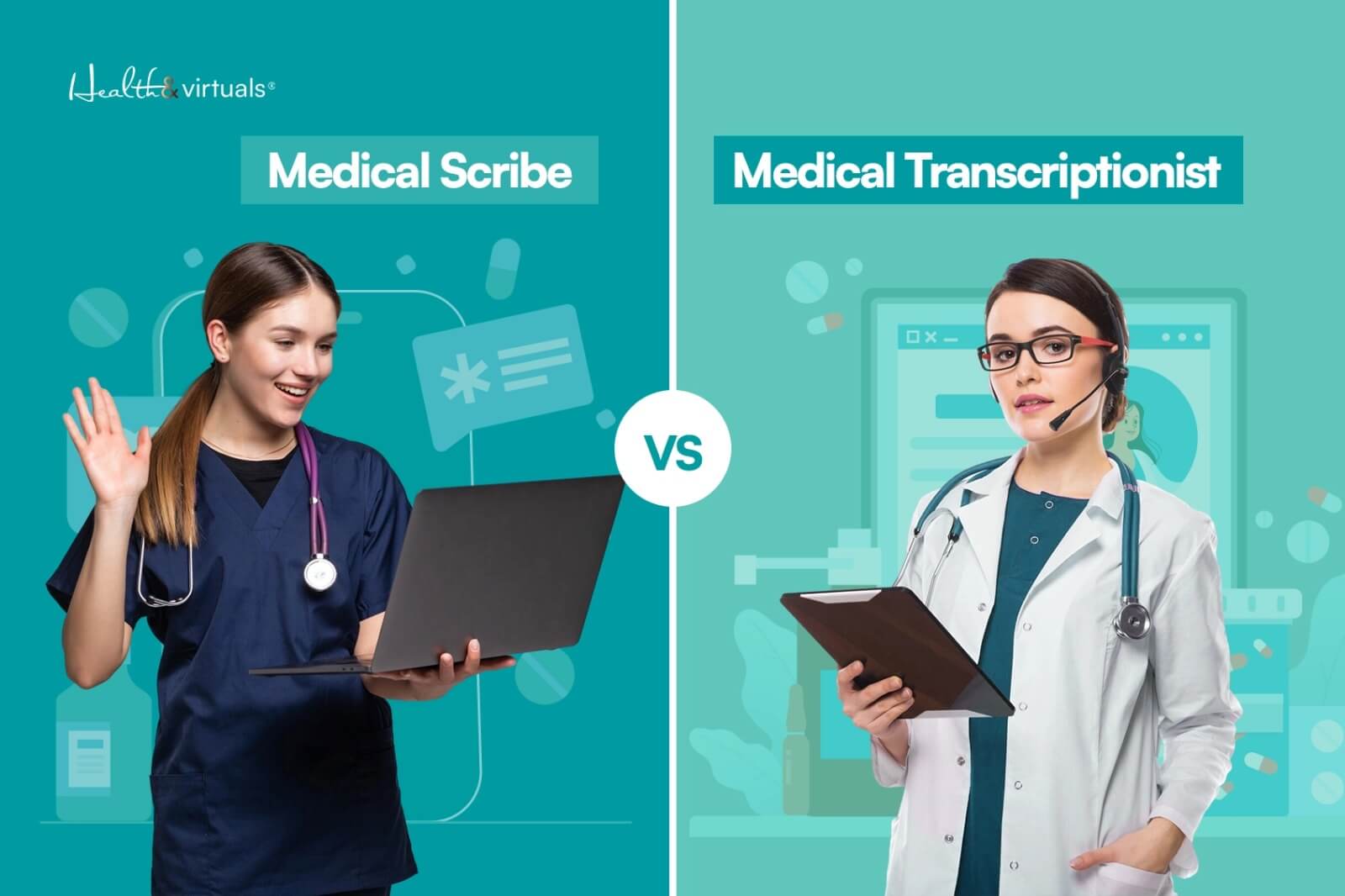
Medical Scribe vs Medical Transcriptionist | A Guide for Healthcare Practices!

Accurate medical documentation is the backbone of efficient healthcare delivery…

Why?

Because it supports clinical decision-making. Proper documentation also ensures regulatory compliance and protects patient data. It directly impacts provider productivity and patient outcomes.

 As healthcare systems increasingly rely on digital records and virtual care models, documentation responsibilities have expanded… often placing a heavy administrative burden on physicians and clinical staff.

To address this challenge, many practices turn to specialized documentation professionals. The most common ones are medical scribes and medical transcriptionists

A virtual medical scribe is a documentation professional who helps a healthcare provider by completing records for patient interactions as soon as they happen. Scribes usually assist during patient interactions. Either face-to-face or virtually. They enter data into the electronic health records (EHRs) systems.

Medical transcription workflow using audio dictation and transcription software

Scribes usually document patient medical records, complaints, history, and results of the examination, as well as the provider’s clinical impressions and plans for management. This helps physicians prioritize patient care over documentation. 

As telehealth has become more common, virtual scribe services have been provided for telehealth consultations as well, and these virtual medical scribes perform the same duties remotely.

While a medical transcriptionist converts VoC (voice of customer) recordings made by medical professionals into text documents. Examples of such recordings include operative notes, discharge summaries, consultation reports, and progress notes.

Transcriptionists, unlike scribes, usually work after the patient encounter. Because of this, the job has a high demand for listening, medical terminology, and attention to detail. They have to review audio files, transcribe them, and edit them to comply with clinical standards before the documents can be submitted to the medical record.

Both roles aim to maintain clear, complete, and compliant medical records. Although they differ significantly in how, when, and where documentation is created. 

If your healthcare practice is looking to optimize workflows, reduce burnout, and choose the most effective documentation support model, you should understand the clear medical scribe vs transcriptionist. 


Medical Scribe vs Medical Transcriptionist: Quick Comparison

Aspect Medical Scribe Medical Transcriptionist
Timing Real-time documentation Post-visit documentation
Interaction Direct interaction with providers No direct patient interaction
Work Style Live or virtual presence Audio-based transcription
Primary Focus Supporting clinical workflow Converting dictation into text

Key Differences Between Medical Scribe and Medical Transcriptionist

Primary Role

Medical Scribe: Documents patient encounters in real time during visits.

Medical Transcriptionist: Converts recorded physician dictations into written medical reports.

Work Setting

Medical Scribe: Works on-site or virtually alongside providers during patient care.

Medical Transcriptionist: Typically works remotely, after patient encounters.

Timing of Documentation

Medical Scribe: Real-time, during the patient visit.

Medical Transcriptionist: Post-visit, based on audio recordings.

Interaction Level

Medical Scribe: Direct exposure to clinical workflows and patient interactions.

Medical Transcriptionist: No direct patient or provider interaction during care.

Skill Focus

Medical Scribe: EHR navigation, clinical terminology, multitasking.

Medical Transcriptionist: Listening accuracy, grammar, formatting, medical terminology.

Impact on Providers

Medical Scribe: Reduces physician burnout by handling live documentation.

Medical Transcriptionist: Ensures accurate, finalized medical records.

→ The main difference is when and how each professional does healthcare documentation. Medical scribes document encounters in real-time and have immediate records available. Medical transcriptionists work at different times and turn voice memos into structured documents.

→ Another difference is how they interact with the providers. Scribes interact with the physicians directly during clinic hours, whereas transcriptionists do not. Scribes are embedded into the daily routine, while transcriptionists usually work in the background.


Work Environment And Interaction Of Medical Scribe And Transcriptionist

Remote medical scribe assisting a physician through virtual healthcare documentation

Medical Scribe Work Environment

Medical scribes can work in a variety of settings, like hospitals, clinics, and outpatient centers. A virtual medical scribe can work remotely in a remote capacity, reducing your in-house staffing costs… 

Remote medical scribes connect securely to your practice’s EHR platforms and communication systems. It allows them to document your patient encounters in real time from off-site locations. 

Because scribes consistently work with the same providers, they adapt to individual documentation styles and clinical workflows.

Medical Transcriptionist Work Environment

Medical transcriptionists work from home or a remote office. They listen to recordings and documents. This job is more isolated because there is more communication with the recorded dictations and less with actual people. Their role centers on reviewing audio recordings and producing accurate, finalized reports. 

The interaction of a transcriptionist is limited to recorded dictation and quality checks. It makes this position less collaborative but highly detail-oriented…


Which Should You Choose for Your Practice? A Medical Scribe or A Transcriptionist?

medical scribe smiling with a stethoscope Different practices will have different needs when it comes to documenting workflows. Practices looking for supp312ort in real-time while reducing burnout for physicians and improving patient engagement may find value in medical scribing

Practices looking for accurate documentation production based on recorded dictation may find value in transcription services.

Practices almost always prefer medical remote scribing services due to being able to integrate into the workflows of practice seamlessly without the need for someone to be on-site.


Future of Medical Documentation!

With the rapid advancement of technology, telemedicine, and automation, documentation in the healthcare industry is improving. The importance of real-time documentation support is increasing alongside the relevance of transcription services. 

Virtual medical scribing is a flexible and scalable answer to the needs of today’s healthcare environment.

Health & Virtuals provides fully HIPAA-compliant, trained professionals to serve your practice’s needs. Our remote medical scribing is designed to fit the needs of various healthcare practices. No matter whether you need full-time, part-time, or project-based support, our flexible model is for you to serve you without any hassle.

With different documentation support models to choose from, your practice can optimize its workflow without compromising its clinical workflow.


Improve Your Practice Documentation with Health & Virtuals!

Remote medical scribe assisting a physician through virtual healthcare documentationTake the burden of clinical documentation off your providers and restore focus to patient care. Health & Virtuals’ HIPAA-compliant remote medical scribes integrate seamlessly into your workflow, delivering accurate, real-time documentation without the cost or complexity of on-site staffing.

Whether you need full-time, part-time, or flexible support, our remote scribing solutions are designed to improve efficiency, reduce burnout, and maintain the highest documentation standards.

Get started today!

Schedule a consultation with Health & virtuals and discover how remote medical scribing can transform your practice!


FAQs

What is the difference between a medical scribe and a medical transcriptionist?

A medical scribe, unlike a medical transcriptionist, converts the patient encounter into documentation in real time, while a medical transcriptionist does it after the encounter and converts anecdotal dictation into written reports.

Which is more beneficial for healthcare practices?

The two serve entirely different purposes. Real-time documentation is an immediate concern for the practice when it is in progress, and as a result, medical scribes are preferred. For documentation that is needed after the encounter, transcriptionists are more beneficial.

Which option is more cost-effective?

It all depends on the workflow requirements. Remote medical scribes have the potential to reduce the administrative burden on staff and increase the productivity of the medical provider, which may sufficiently compensate for the expense.

Can virtual medical scribes work as effectively as in-person scribes?

Yes, virtual medical scribes complete the same level of documentation using various secure digital and real-time communication tools.

Do medical scribes and transcriptionists work under HIPAA?

Yes. Both roles adhere to HIPAA regulations when properly trained and when the organizations they work for are HIPAA compliant.

Which practices benefit more from medical scribes?

Real-time scribe support is beneficial for telehealth practices, high-volume clinics, and specific medical specialties.

How do I determine the best documentation solution for my practice?

Consider the aspects of your workflow, the time required to create documentation, the burden on the provider, and your tech infrastructure.

How can Health & virtuals help with medical scribes?

Health&virtualss offers HIPAA-compliant remote medical scribes who can work full-time, remotely, or on a project basis, with different engagement options.


17Mar

How to Streamline and Scale Your Law Firm with a Virtual Legal Assistant?

Running a law firm today is not just about winning cases… it’s about managing time, clients, documents, deadlines, and expectations all at once. 

You have to face court appearances. Also, the client consultations, email follow-ups, and endless paperwork are killing your precious time. Most attorneys often find themselves buried in administrative tasks instead of focusing on what truly drives their practice forward.

As client demands grow and competition increases. So, efficiency is no longer optional. Now it’s essential. 

Do you want your law firms to scale, stay organized, and deliver responsive service? So you have to turn to smarter support systems…

One of the most effective solutions? A virtual legal assistant.

The global remote staffing market is growing. The demand of Virtual staffs has shown an enormous growth of about 184% in the last ten years.

There must be a reason behind this. Right?

By providing reliable remote support for administrative tasks, document management, scheduling, and client communication, VLAs, aka virtual legal assistants, can help your law firms operate smoothly, reduce overhead, and free up valuable attorney time… all without compromising quality or professionalism.


What Is a Virtual Legal Assistant?

Professional virtual legal assistant handling legal documents and client communication using a laptop remotely.

A virtual legal assistant works in a law firm, hired to provide administrative and legal support to attorneys. Contrary to traditional in-office legal support assistants, they perform many of the same tasks from the comfort of their homes using digital tools and communication platforms. 

Virtual legal assistants have become an essential part of modern legal teams, especially for those firms that are looking to adopt flexible and cost-effective solutions for staffing.


Roles of a Virtual Legal Assistant 

Attorney and virtual legal assistant communicating through video conferencing for legal support and case updates.

A virtual legal assistant typically performs the same tasks as a support assistant at a law firm. The mere distinction is the site of work, which is remote for the former. 

They may perform the following operations: 

  • Handle scheduling and emails.
  • Prepare contracts and case files.
  • Manage client inquiries and follow-ups.
  • Gather legal information and case data.
  • Manage billing and records.

Legal assistant duties are generally flexible as law firms aim to delegate tasks based on workload and priorities.


Key Responsibilities of a Virtual Legal Assistant 

A virtual assistant for a legal agent does not have a singular responsibility; in fact, it varies depending on the size and specialization of a law firm. However, general responsibilities may include:

  • Calendar and schedule management. They organize meetings, consultations, and court dates to ensure deadlines are met, and the firm operates without interruptions.
  • Client communication and intake support. They respond to inquiries, manage follow-ups, and handle client onboarding to create a smooth and professional experience.
  • Legal document preparation and organization. They draft, format, proofread, and maintain case documents with accuracy and attention to detail
  • Legal research assistance. They conduct preliminary research and compile relevant case information to support attorneys in building strong legal strategies.
  • Email and workflow management. They manage correspondence, organize inboxes, and streamline daily administrative processes to improve efficiency.
  • Case management system updates. They maintain digital records and keep case files organized, ensuring easy access to important information when needed.
  • Administrative and operational support. They handle routine back-office tasks so attorneys can focus on client representation, strategy, and growing the firm.

The primary purpose of a virtual legal assistant is to free up attorneys to focus on core legal work.


Essential Skills of a Virtual Legal Assistant

illustration Virtual legal assistant managing client emails and follow-ups to improve responsiveness and service quality.In order to effectively perform their role, virtual assistants’ skills at a law firm are required with a combination of administrative and legal skills. 

Important virtual legal assistant skills include: 

  1. Strong communication and organizational abilities to effectively communicate with clients and manage attorneys’ calendars for appointment scheduling.
  2. Familiarity with legal terminology and documentation is a prerequisite for being hired at a law firm, either virtually or on-site. 
  3. Due to the virtual nature of the role, the legal administrative assistant must be proficient in multiple legal software and document management systems online. 
  4. Attention to detail is mandatory for accurate recordkeeping. 
  5. They must have good time management and multitasking skills. 

A virtual legal assistant must be qualified and aptly trained to work in a law firm so they can be the source of reliable and efficient support to the law firm.


Educational Requirements and Background

Professional virtual legal assistant handling legal documents and client communication using a laptop remotely.

A virtual legal assistant is typically hired on the basis of practical skills. 

However, an appropriate educational background is also mandatory to qualify for the position at a reputable law firm. 

Most firms demand legal assistant education requirements and prefer candidates with a degree or diploma in law, paralegal studies, business administration, or similar fields. 

There are several virtual programs to help candidates acquire relevant certifications and courses for training in legal documentation, procedure, and technology. 

Once the necessary knowledge acquisition is out of the way, skill building to work in a remote environment, such as familiarizing oneself with digital tools and legal softwares is also important. 


At Health & Virtuals, candidates go through our digital training school, where they complete high-level, industry-focused courses designed to prepare them for real law firm environments. 

Our rigorous training ensures they develop the technical skills, professionalism, and workflow expertise needed to perform effectively.

After completing the program, each candidate is evaluated and added to our curated talent pool, allowing law firms to select from pre-trained, job-ready professionals who are fully prepared to deliver quality support from day one

→ Learn more about our Training Excellence Academy


How Virtual Legal Assistants Work with Law Firms?

ttorneys managing court documents, emails, and administrative tasks in a busy law office.Virtual legal assistants are in constant collaboration with law firms via telecommunication means.

They typically work through the following digital platforms: 

  • Email and messaging platforms for daily communication.
  • Video conferencing tools for meetings and updates.
  • Cloud-based document management systems for file sharing.
  • Practice management software for tracking cases and tasks.

One of the important elements of virtual coordination between an assistant and the law firm is privacy and confidentiality, as most of the time, they are dealing with sensitive legal and client information. 

Rest assured, virtual assistants are strictly trained to respect privacy, and they integrate seamlessly into legal teams by maintaining consistent communication with attorneys and staff. 


Benefits of Hiring a Virtual Attorney Assistant 

Hiring a virtual legal assistant from the trusted and best legal assistant staffing agency for your law firm has many benefits.

→ Cost Savings

Law firms can save on office space, equipment, and employee benefits by hiring remote staff.

→ Increased Productivity

Attorneys can focus on billable work while administrative tasks are handled efficiently by a legal planning virtual assistant.

→ Flexibility

Virtual assistants can be hired on a full-time, part-time, or project basis, depending on workload.

→ Access to Skilled Global Talent

With virtual hiring, law firms can hire qualified professionals from a wider talent pool without geographic limitations.

→ Scalability

Firms can easily scale their support staff with a remote legal assistant, up or down, based on business needs.


Is a Virtual Legal Assistant Right for Your Firm? 

Professional virtual legal assistant handling legal documents and client communication using a laptop remotely.

The market valuation of USD 19,506.2 million, and 184% increase in remote staffing in the last decade globally, is your answer!

Your firm needs a trained virtual legal assistant to grow in today’s competitive world.

A law firm is usually inundated with casework and legal issues that require keen focus from attorneys. 

→ Is your legal team overwhelmed with administrative tasks?

If yes. You need dedicated support. It is to manage daily operations efficiently. Also to reduce internal pressure.

→ Are attorneys spending too much time on non-billable work?

Yes? A virtual legal assistant can handle routine responsibilities. So your team can focus on revenue-generating legal services.

→ Is your firm looking to reduce operational costs?

Yes. So outsourcing to a virtual professional can provide high-quality support. All without the expenses of full-time in-house staff.

Do you need flexible staffing solutions to handle fluctuating workloads?

If yes, a virtual legal assistant offers scalable support that adapts to your firm’s needs.

Is client communication or follow-up becoming difficult to manage consistently?

Must be a YES! An additional virtual assistant legal, as your support, can help maintain responsiveness and improve your client satisfaction.


Strengthen Your Law Firm with Virtual Legal Talent from Health & Virtuals!

Professional virtual legal assistant handling legal documents and client communication using a laptop remotely.

A collaboration between a law firm and a virtual assistant is crucial to achieve the right balance between legal expertise and operational support.

Virtual assistants for lawyers are a modern solution if you are looking to streamline administrative tasks while improving overall productivity in your firm. 

At Health & Virtuals, we connect law firms with top virtual legal assistants who are trained to handle a wide range of administrative and legal support tasks. 

Whether you need help with documentation, scheduling, or client communication, our virtual assistants are equipped. Rigorously trained to integrate seamlessly into your workflow.


To enhance the efficiency of your law firm and reduce administrative burden, partner with Health & Virtuals today and hire virtual legal assistants who can support your practice remotely. 

Get your Quote!

Let us help you build a smarter, more productive legal team.


FAQs

What does a virtual legal assistant do? 

A virtual legal assistant typically takes on administrative tasks of a legal firm, such as appointment scheduling, client coordination, and research work among others.

What is the difference between a virtual legal assistant and a paralegal? 

A virtual legal assistant is equipped to deal with administrative, clerical, and client support tasks such as scheduling and management, while a paralegal is trained to perform billable legal work, such as performing research and case analysis and drafting important documents.

Is hiring a virtual legal assistant cost-effective? 

Yes, hiring a virtual legal assistant is extremely cost-effective as the firm is saving on office space, equipment, and overhead costs by hiring remotely.

How do I hire a reliable virtual legal assistant?

You can reach out to a legal assistant staffing agency such as Health&Jobs to hire the best talent for your legal team.

13Mar

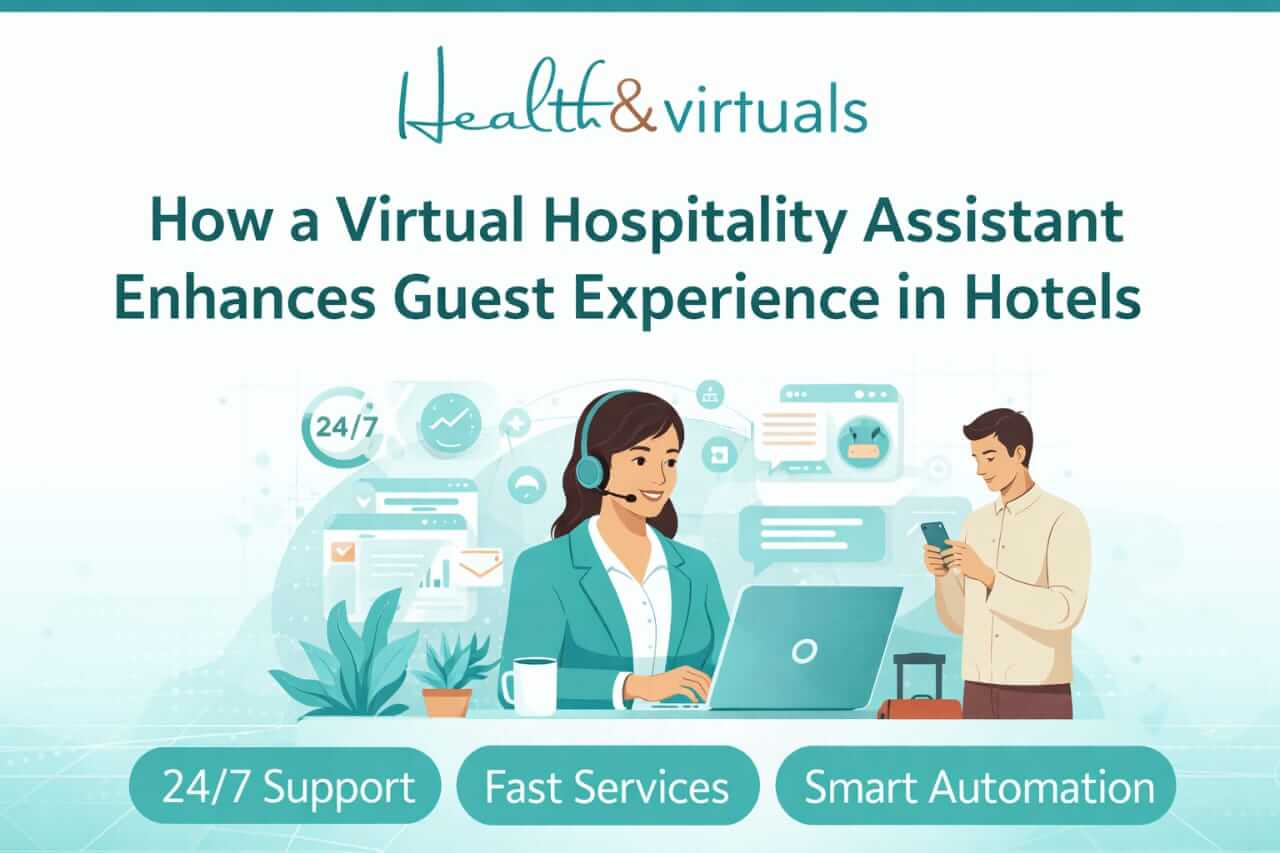
How a Virtual Hospitality Assistant Enhances Guest Experience in Hotels?

Guest expectations in the hospitality industry have changed significantly over the past decade. Travelers now look for quick responses, seamless bookings, and personalized service throughout their stay. Studies show that nearly 89% of guests consider customer service a key factor when choosing a hotel, while more than 70% expect a response to their inquiries within minutes.

For hospitality businesses, meeting these expectations consistently can be challenging, especially during peak seasons or with limited in-house staff.

Hotels, resorts, and short-term rental businesses manage a wide range of responsibilities every day. Reservations, guest communication, service coordination, and administrative work often happen simultaneously. When these tasks begin to overlap, response times may slow down and the quality of guest interaction can suffer.

A virtual hospitality assistant helps manage these operational pressures by handling routine but essential tasks remotely. 

From responding to booking inquiries and confirming reservations to coordinating guest requests and organizing administrative workflows. These professionals support hospitality teams behind the scenes. 

With dedicated remote assistance trained from trusted remote staffing companies like Health & Virtuals businesses can maintain efficient communication, reduce staff workload, and ensure guests receive prompt, attentive service throughout their experience.


What Is a Virtual Hospitality Assistant?

Virtual hospitality assistant managing hotel guest communication remotely

A virtual hospitality assistant is a remote expert who works with the hotel business to coordinate guest-related and administrative activities. To make sure that the day-to-day running of the hotel is smooth, these assistants operate online through hotel management systems, CRM tools, and booking platforms.

In contrast to conventional on-site employees, virtual assistants work on a remote basis but carry out most of the roles, such as responding to guest queries, booking, organizing their services, and overseeing digital communications.

Hotels, resorts, vacation rentals, and hospitality management companies are some of the common partners of executive hospitality virtual assistants. They are aimed at making everything more efficient and at keeping the high standards of guest service.


Why Guest Experience Matters in the Hospitality Industry?

Hotel guest enjoying personalized experience and service arranged by hospitality assistant

The basis of pedigree in the hospitality business is guest experience. The positive experience promotes repeated bookings, positive online reviews, and customer loyalty.

Research conducted indicates that 89 percent of customers indicate that personalized service is a factor that contributes to their loyalty to a hotel brand, which underscores the increased importance of customized experiences to guests.

Expectations are also being redefined by the expansion of technology. It has been found that AI-based solutions are currently being used more frequently by hotels to personalize the experience of guests, enhancing their satisfaction and the quality of services. In short, the more satisfied customers there are, the more business hotels will make. 


Key Responsibilities of an Executive Hospitality Virtual Assistant

Hospitality virtual assistant responding to guest inquiries through live chat

Virtual hospitality assistants accomplish many activities that assist employees of the hotel and improve customer service. It involves some of their primary responsibilities, such as:

→ Guest communication

Virtual assistants answer questions left by guests by email, chat, or messaging. They give details concerning hotel facilities, tourist sites, policies, and services.

→ Reservation management

Virtual hospitality associates handle accommodation requests, finalize reservations, change room occupancy, and communicate with the property management systems.

→ Customer support

The management of complaints, service requests, and the needs of special guests all come under customer support. The VA will make sure that the issues are addressed in a timely and professional manner.

→ Administrative support

Virtual assistants can process emails, update guest roll call, schedule,  and keep documentation.

→ Online reputation management

Remote guest support specialists track and act on external comments and feedback on social media and travel websites.


Key Ways Virtual Hospitality Assistants Enhance Guest Experience!

Virtual hospitality assistant managing hotel guest communication remotely→ Faster Guest Communication
Customers want to receive prompt replies to their inquiries or demands. Remote guest support specialists provide communication via chat, email, or messaging.

Chatbots and digital assistants with AI have the capacity to deal with a high volume of queries by guests, and some systems automatically answer guest inquiries. The virtual assistant is in charge of handling these communications.

→ Customized Guest Services

Virtual assistants for hospitality assist in customizing the guest experience through the upkeep of the guest profiles, preferences, and history of previous bookings.

The information can be used by the hotels to offer individuals customized recommendations like the type of rooms they want, what to eat or what to do during their stay. One-to-one services have the potential to make the level of satisfaction and loyalty higher.

→ Easy Booking and Reservation Process

Reservation management is the key to a hassle-free guest experience. Virtual hospitality assistants make sure that booking information is correct and confirmations are received as quickly as possible. Moreover, the cancellations or modifications are processed by them. 

→ 24/7 Guest Support

Guests may even need help outside of work hours. Virtual assistants have the capability of offering 24-hour support; they can process questions and service requests remotely.

This will make sure that the guests will always have someone to assist them when in need, which will enhance the quality of services and convenience.

→ Better Service Co-ordination

Virtual assistants can assist in organizing information exchange among various departments of the hote,l including the housekeeping department, the front desk, and the maintenance department.

It will guarantee that the requests made by guests and improved facilities like room cleaning, extra facilities, or even technical support are promptly and effectively handled.


Benefits of Hiring Virtual Hotel Operations Assistant!

Digital hospitality management system improves guest service efficiency and profit your hotel business.

There are many benefits your business will entertain from remote guest support specialist:

1. Reduced Operational Costs

The cost associated with employing hospitality virtual assistants remotely can be less expensive than having other personnel in the field. Hotels are able to save on office space, equipment, and employee benefits, besides getting professional assistance.

2. Growth in Staff Productivity

Virtual assistants enable hotel employees to pay more attention to their customers and the provision of services, as they cope with simple administrative functions.

Technology solutions that will reduce repetitive labor allow the staff members less time for administrative work and more time to be with the guests.

3. Improved Customer Satisfaction

The satisfaction level is increased when the guest’s requests are completed fast and efficiently. Use of digital CRM tools and personalized services in hotels usually results in quantifiable changes in guest reviews and loyalty.

4. Growing Hotels’ Scalability

Virtual assistants are scalable and flexible in nature and can easily expand the level of hotel demand. Hotels can also flex their support team, without any major modifications in operations, whether it is during peak seasons or major events.


The Future of Virtual Hospitality Assistants!

Remote hospitality virtual assistant managing hotel operations on computer

Technology and digital models of services will be very important in the future of hospitality. Virtual assistants will go on developing together with artificial intelligence, automation, and data analytics.

According to industry projections, the majority of hospitality companies will advocate that AI and digital technology will take over operations by 2027. 

This evidences the increase in the use of digital CRM tools to manage guest services. The use of virtual assistants will be at the core of the management of these technologies. So, don’t miss out on the advancements of the hospitality industry and hire skilled virtual hospitality assistants with Health & Virtuals!


Hire Professional Virtual Hospitality Assistants for Your Hotel with Health & Virtuals!

Virtual assistant providing 24/7 support for hotel guests online

Are you searching for talented virtual hospitality assistants to hire? 

Health & Virtuals offers highly qualified, pre-vetted, trained and skilled  remote talent. You can hire your virtual hospitality assistant managers who comprehend the work of the hotel, the communication with guests, and online reservations!

Through the services of Health & Virtuals, the hotels have access to professional people who can help in making reservations, guest inquiries, administration, and coordination of operations.

Ease your work. Grow your business. Hire Now!


FAQs

What are the tasks of a virtual hospitality assistant?

The virtual assistants of hospitality can handle the communication with guests, reservations, administration, online reviews, coordination of services, and booking services.

Who should hire hospitality VAs?

Virtual assistants can help hotels, resorts, boutique accommodations, vacation rentals, and hospitality management companies.

Are hospitality VAs in charge of booking and reservations?

Yes. Booking inquiries, reservation confirmations, cancellations, and updates are some of the typical duties of remote hospitality coordinators.

08Mar

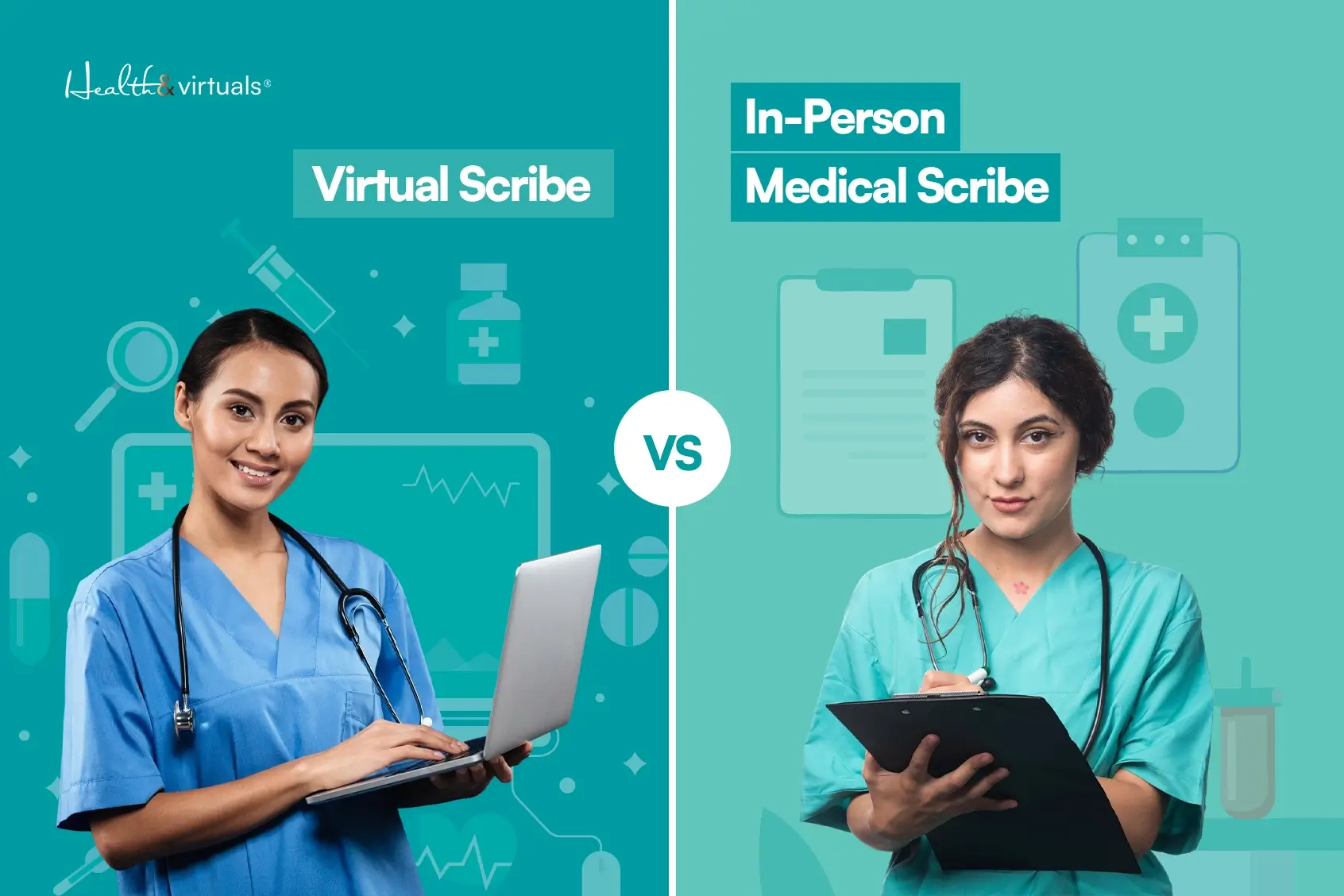
Virtual Scribe vs In-Person Medical Scribe | Which Is Better?

Electronic health records (EHRs) and documentation are other administrative issues that burden healthcare providers today. Every hour that a physician is with patients, they might have to spend almost two hours doing the administrative work that involves documentation and billing.

Such a cumbersome documentation burden is one of the significant contributors to physician burnout and decreased time with patients. Consequently, clinical documentation has been changing to the use of telemedicine scribes in most healthcare practices to ensure effective handling.

Medical scribes can be classified into two types: virtual medical scribes and in-person scribes. Both alternatives have their own strengths and weaknesses. If you’re trying to find the best solution for your practice, knowing the difference between the two can make it easier. So, read on and make an informed decision.


What Is a Virtual Medical Scribe?

virtual medical scribe working remotely on laptop documenting patient visit in electronic health record system

A virtual medical scribe is a professional person who records the interactions with the patients remotely. The scribe is not present in the clinic physically. Rather they connect using safe audio or video channels.

Virtual scribes are usually connected to the EHR system of the practice remotely and write clinical notes, update patient records, and help them with documentation as the physician is attending to the patient.


Duties of a Virtual Scribe

healthcare professional using laptop for telehealth documentation with remote scribe support

The tele scribes carry out most of the documentation work that the traditional scribes do, only that they do it remotely. They typically have to deal with:

  • Note-taking of patient meetings at appointments.
  • Adding a history of the patient, drugs, and symptoms in EHRs.
  • Writing clinical notes, including SOAP notes.
  • Helping with coding and documentation of bills.
  • Fetching medical records and laboratory results for the physicians.

What Is an In-Person Medical Scribe?

in-person medical scribe documenting patient visit beside physician in clinic exam room

A medical scribe is an in-person worker who operates in the clinical practice with a physician. They normally follow the doctors when they are meeting the patients and register the visit details in real time.

Such scribes are in the same room as the examiner or the surrounding workstation so that they can observe the interactions of the patients, pose clarifying questions, and record the information in real-time.

The in-person scribes have been demonstrated to be adapted in high-volume settings like emergency departments, urgent care clinics, and specialty practices with high needs for fast documentation.


Duties of an In-Person Scribe

in-person medical scribe documenting patient visit beside physician in clinic exam room

In-person scribes perform diverse clinical documentation activities within the healthcare facility, and these include:

  • Documenting patient interactions in the exams.
  • Real-time updating of electronic health records.
  • Recording findings of physical examination and treatment plans.
  • Developing discharge summary and referral note.

Since they are on-site when the patient is visiting, in-person scribes are able to react immediately to requests by the physician and also record more information about the interaction.


Virtual Scribe vs In-Person Medical Scribe: Key Differences

Although both attempts to decrease the workload of physicians, their effects on the working process, costing system, and work flexibility can differ dramatically.

→ Location and Mode of Work

Virtual scribes work on remote access to the EHR systems, and this implies that usually a physician communicates with the involved telescribe using audio connections, headsets, or secure telehealth applications. This installation will enable the writer to record patients’ visits in real time without necessarily being in the clinic. 

Since remote virtual medical scribes are remote, they are capable of assisting several providers in various locations, which may be particularly beneficial to healthcare organizations that have a distributed workforce or telehealth.

Face-to-face scribes, in their turn, are incorporated into the clinical setting. They are physically in an exam room and can notice procedures, body language, and other situational aspects that may not always be recorded by the use of audio communication. This physical presence may result in more detailed documentation and result in physicians providing rapid verbal directions during the encounter.

→ Operational Scalability

The other significant distinction is in the operational scalability. The expansion of virtual scribe services is fast because the providers can reach trained scribes without hiring or training a new employee. 

Conversely, scribes are usually recruited, onboarded, trained, and provided with space in the clinic, which is in contrast to the tasks of hiring a scribe.

→ Cost Structure

There are also differences between the two models in cost structure. A remote medical scribe can also be priced based on subscription or per service, which can reduce overhead costs. Face-to-face scribes act more as conventional employees, i.e., the practices should be considerate of salaries, benefits, and resources at the workplace.


Benefits of Virtual Medical Scribes

Benefits of having virtual scribe for your practice

Virtual scribe solutions are beneficial in the following ways.

→ Cost efficiency

Virtual scribes are usually cheaper than an in-house staff due to the remoteness of their work. Office space, equipment, and on-site management are some of the expenses that practices can avoid.

→ Scalability

Virtual scribes are able to grow easily to accommodate two or more providers or a developing healthcare system.

→ Reduced physician workload

Research has revealed that remote scribes save time in documentation to a great extent. In one study, physicians who made use of virtual scribes realized significant decreases in EHR time per appointment, such as clinical notes and after-hours reporting time.

→ Reduced burnout

Physician wellness can also be enhanced by medical scribes. The study reported that doctors who had scribes had their burnout levels reduced by 26.8 percent.

See: How remote talent can transform your US healthcare practice….


Limitations of Virtual Medical Scribes 

Although they have their benefits, virtual scribes have their drawbacks as well.

→ Technology dependency

Remote medical scribing needs to have good internet connections and a secure software platform. Technical problems can interfere with documentation procedures.

→ Retardant social communication

Virtual scribes do not enter the examination room. Therefore, they do not get visual cues or nonverbal information that might be of help in documentation.

→ Privacy concerns

When collaborating with a remote virtual scribe service, healthcare organizations should consider that patient privacy rules are to be adhered to, and data transmission should be secure.


Benefits of In-Person Medical Scribes 

A relaxed and satisfied physician with improved work-life balance due to reduced EHR burden through virtual medical scribes.

Face-to-face scribes still remain a significant part of most healthcare facilities.

→ Real-time collaboration

Physical presence will enable the telemedicine scribe to liaise with the physicians and clear information immediately.

→ Enhanced situational knowledge

On-site scribes have the opportunity to watch how the patient interacts, their body language, and how they are examined, which could enhance the quality of clinical notes.

→ Seamless workflow

In-person scribes might be less intrusive to the daily workflow and team communication since they will work within the clinical setting.


Limitations of In-Person Medical Scribes

medical scribe writing clinical notes and SOAP notes in electronic health record system

Despite its effectiveness, there are also a few challenges that face the in-person scribes.

→ Higher operational costs

Employment of on-site scribes comes with other expenses like training, office, equipment, and employee benefits.

→ Limited availability

It may be challenging to recruit and retain qualified scribes. Particularly with smaller clinics or rural health care settings.

→ Staff management

The healthcare practice has to deal with scheduling, in-house scribers training, and turnover.


Which Option Is Better for Your Practice?

clinical documentation workflow with medical scribe helping physician reduce administrative workload

The decision between a virtual or in-person medical scribe is up to your practice.

Virtual scribes can be applied in the best practices that:

  • Desire to cut down on the operations.
  • Require adaptable documentation assistance.
  • Have practice in different locations.

Face-to-face scribes can be used in practices that:

  • Demands strong cooperation when attending to patients.
  • Like on-site documentation support.
  • Employment in emergency departments with high activity.

Both solutions will greatly decrease the workload of the administration and enhance the output of the physicians. In most instances, it boils down to workflow choices, budget, and technology at hand.


Hire Reliable Virtual Medical Scribes with Health & Virtuals!

What makes health and virtuals different

If you’re looking to enhance the efficiency in your practice, consider cooperating with professional virtual scribe solutions from Health & Virtuals

Our handpicked, trusted virtual scribes assist the doctor in clinical documentation oversight, electronic health records updating, and easing the administration burden.

By trusting us, your practice can cut down the workload of the physicians, increase the time spent with patients, and improve the level of operational efficiency.


So, get started now!


FAQs

Are all EHR systems compatible with virtual scribes?

The majority of virtual scribe services are trained to integrate with popular EHRs, including Epic, Cerner, and Athenahealth. But compatibility can be related to the individual service provider and the software installation of the healthcare practice.

Are remote medical scribes HIPAA compliant?

Yes. HealthAndVirtuals maintains high adherence to the HIPAA compliance standards and operates on a secure network, encrypted communication and confidentiality contract to ensure patient data security.

Are medical scribes useful in decreasing physician burnout?

Yes. Research indicates that hiring medical scribes can greatly decrease worker burnout by decreasing EHR hours and documentation work. 


02Mar

How Virtual Wellness Assistants Improve Patient Outcomes and Help Practices Thrive?

Wellness and healthcare practices are rapidly developing since technology is increasingly a larger constituent of patient care. Wellness center clinics currently have a great number of appointments, contacts with patients, documentation, and follow-ups, which tends to waste time. It has been found that physicians are spending considerable amounts of time during a week on administrative tasks instead of actual patient care, and this is one of the causes of burnout and inefficiencies in healthcare systems.

This is where virtual wellness assistants are making a difference….

They enable the providers to work on the areas that matter most through the management of routine tasks remotely and thus delivering better care and improving patient outcomes. 

This article will discuss the nature of virtual assistants for health coaches, their capabilities, and roles in assisting wellness centers to expand, as well as enhance patient experiences.


What Is a Virtual Wellness Assistant?

Online administrative support for mental health and wellness coaching practice using digital communication tools.

A virtual wellness assistant is a remote practitioner who aids healthcare or wellness providers with administrative and operational duties, as well as patient-communication duties via the internet. They operate at a distance and are directly incorporated into the workflow, systems, and communication channels of the clinic.

Virtual assistants can be used in the wellness industry (therapy practices, telehealth wellness center clinics, nutrition centers, and holistic health businesses) to facilitate the effective running of wellness facilities without the need to hire more employees to work in the office.


What Do Virtual Wellness Assistants Do?

Wellness assistants carry out a variety of activities that enhance the effectiveness of communication and work in healthcare practices. The wellness assistant duties usually focus on the idea of providing patients with timely help and maintaining an organized workflow for providers.

Indicatively, virtual assistants can make appointments, administer patient records, perform insurance checkups, and answer frequent questions from patients. The roles assist wellness center clinics in operating efficiently and minimizing delays in care services.

They also facilitate the telehealth setting by assisting the patients in booking consultations, ordering prescription refills, or getting a reminder and instructions before the consultation. 

This kind of support enhances interaction and increases the availability of virtual healthcare to patients.


Key Duties and Responsibilities of a Virtual Wellness Assistant

Remote virtual wellness assistant scheduling patient appointments and updating electronic health records from a home office workspace.Although the specific tasks can differ according to the nature of the wellness practice, the vast majority of virtual wellness assistants can operate through some of the basic tasks:

  • Scheduling of the appointment and calendar.
  • Coordination of patient intake and updates of records.
  • Bill verifications and insurance checking.
  • Organizing emails, calls, and inquiries from patients.
  • Making appointments and follow-up messages.
  • Keeping electronic health records (EHR).

These duties play a major role in minimizing the workload for the on-site personnel. 

→ Wellness assistants relieve clinicians of repetitive administrative duties so that they spend more time on patient care and treatment planning.


Essential Skills of a Remote Virtual Assistant Health and Wellness

In order to be possible within healthcare settings, health and wellness virtual assistants require technical, communication, and organizational skills.

→ Good Communication

Primarily, good communication skills are required. Virtual assistants can also communicate directly with patients either by calling, mailing, or messaging. Professional communication is clear-cut and trustworthy to build trust and enhance the overall patient experience.

→ Organizing and Time Management Skills

Secondly, virtual assistants’ health and wellness have to be very organized. Time management and attention to detail are necessary in making arrangements, keeping track of schedules, and managing numerous communication channels. They are essential in several practices to ensure that operations are going well.

→ Digital Literacy

Lastly, there is the issue of digital literacy. Virtual wellness assistants should be collaborators in telehealth services, scheduling, and electronic health record software. As the field of healthcare becomes technologically oriented, these technical skills will make it smooth to fit into modern wellness clinics.

→ Knowledge of Healthcare Compliance & Confidentiality

A virtual wellness assistant must understand basic healthcare regulations. Especially patient privacy laws. It includes HIPAA (Health Insurance Portability and Accountability Act) in the United States.

Handling patient records, appointment details, and medical information requires strict confidentiality. 

A professional remote wellness assistant should know how to securely manage emails, patient portals, and electronic documentation to protect sensitive information.

→ Emotional Intelligence & Patient-Centered Approach

Professional virtual wellness assistant providing remote healthcare support to improve patient outcomes and streamline clinic operations.

Healthcare and wellness services are deeply personal. Virtual wellness assistants often interact with patients who may be anxious, stressed, or dealing with health concerns.

Strong emotional intelligence allows them to:

  • Respond with empathy
  • Stay calm in sensitive situations.
  • Provide reassurance without overstepping professional boundaries…

A compassionate tone significantly enhances patient satisfaction and retention.

→ Basic Medical Terminology Knowledge

A remote wellness assistant doesn’t need to be a clinician, but understanding common medical and wellness terminology is essential.

This includes:

  • Common diagnoses.
  • Treatment types.
  • Wellness procedures.
  • Insurance and billing terms.

Why?

Familiarity with medical language reduces errors in scheduling, documentation, and communication with healthcare providers.

→ Problem-Solving & Critical Thinking

In healthcare, unexpected situations are common… Double bookings. Urgent appointment changes. Technical telehealth issues or billing discrepancies.

A skilled virtual wellness assistant should be able to:

  • Think quickly.
  • Identify practical solutions.
  • Escalate issues appropriately.
  • Prevent minor issues from becoming larger disruptions.

Proactive problem-solving keeps clinic operations running smoothly.

→ Customer Service & Relationship Management

Wellness practices usually work on long-term patient relationships. In that case, a virtual wellness assistant plays a crucial role in maintaining that connection.

They should:

  • Follow up with patients.
  • Send reminders.
  • Handle feedback professionally.
  • Maintain a welcoming and professional tone.

Excellent customer service strengthens the brand image of the clinic or wellness center.

→ Multitasking Ability

Virtual wellness assistants often juggle appointment scheduling. They should know Email management and insurance verification. They should also be able to handle social media inquiries. 

For practices offering telehealth services, a wellness assistant’s duties include telehealth coordination. They should know how to do that!

The ability to multitask without sacrificing accuracy is essential for maintaining workflow efficiency.

→ Technical Troubleshooting Skills

Since most work is remote, minor technical issues are inevitable. A competent assistant should be comfortable troubleshooting:

  • Video conferencing issues (Zoom, telehealth platforms).
  • Calendar syncing problems.
  • Basic CRM or EHR system errors.
  • Email delivery issues.

Basic tech confidence reduces downtime and improves productivity.


Education, Training, and Certification Requirements for Virtual Wellness Assistants

Educational Background

  • A diploma or a degree in healthcare-related fields
HIPAA and Data Privacy Training
Telehealth and Digital Healthcare Training
Technical Skills

  • Electronic Health Record (EHR) systems.
  • Healthcare CRMs
Administrative Experience

  • Scheduling appointments
  • Insurance verification
  • Billing coordination
  • Patient follow-ups
Certifications (not always mandatory)

  • Certified Medical Administrative Assistant (CMAA)
  • Healthcare IT or EHR certifications
  • Telehealth coordinator training
  • HIPAA compliance certification

The health and wellness virtual assistants typically originate within the healthcare administration, clinically supporting, or office-based medical position, but employers are starting to demand special training since healthcare data and workflows are sensitive.

Remote care coordination apps and digital patient management are also more desired by many healthcare organizations due to the fact that modern clinics are highly dependent on these processes. So, the assistants are required to be digitally literate, as said before. 


Where Do Virtual Wellness Assistants Work?

Remote wellness assistant sending appointment reminders and follow-up messages to improve patient engagement and treatment adherence.

Health and wellness virtual assistants operate in numerous health and wellness environments. These are telehealth wellness clinics, mental health practices, wellness coaching businesses, medical spas, fitness and nutrition programs, and integrative health centers.

They can work remotely and, as such, are able to support the practices in other cities or even countries. This scalability enables healthcare vendors to expand their operations without having to rent more office space or employ full-time in-house personnel.

Virtual assistants’ health and wellness have also had more opportunities with the emergence of telehealth and digital healthcare services. The remote healthcare solutions are now constantly on the rise as patients appreciate the value of convenience, access, and quicker services.


Benefits of Hiring a Virtual Wellness Assistant For Your Wellness Center

how virtual wellness assistant will help your practiceThere are many benefits of hiring a virtual wellness assistant. Here are a few important ones:

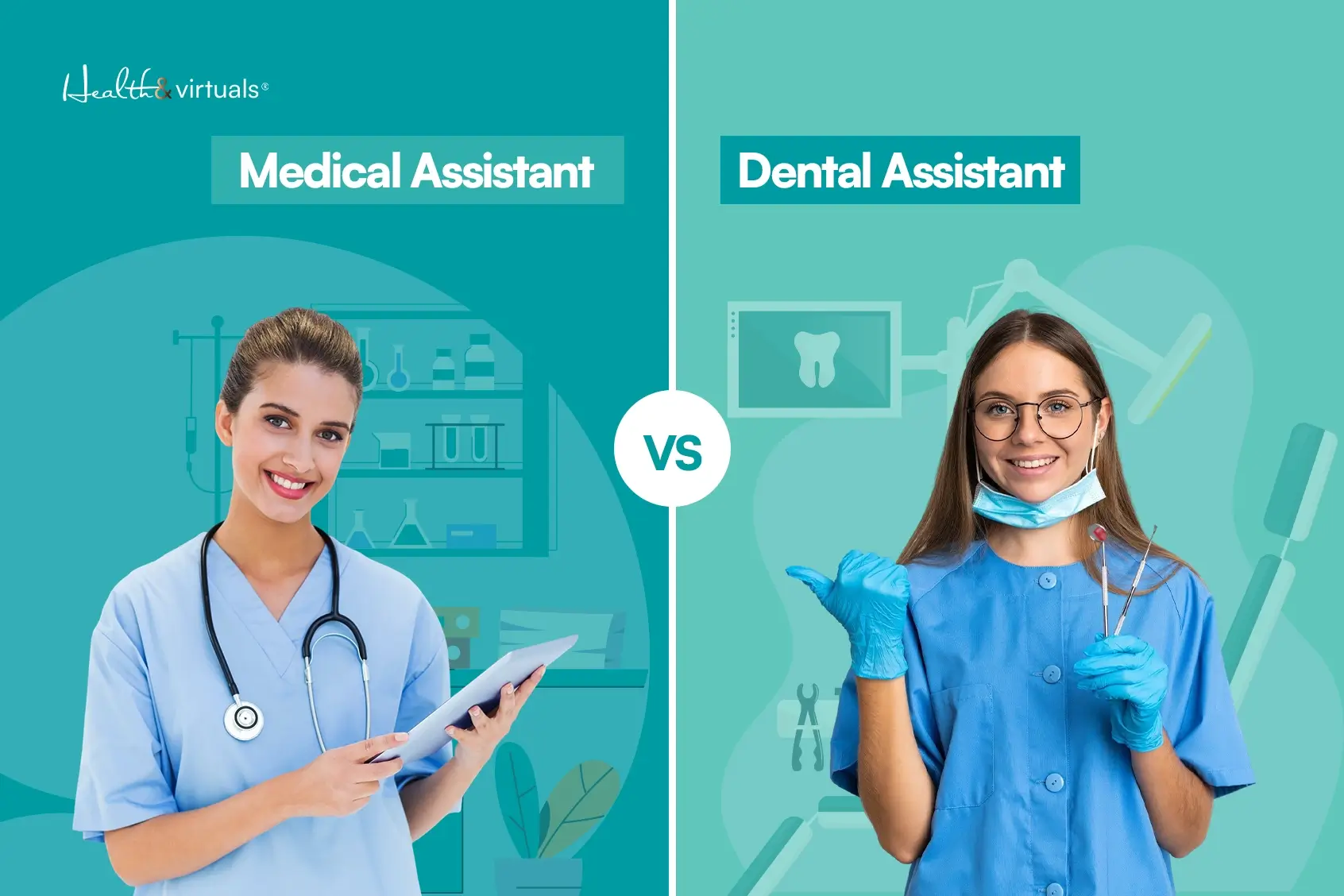
1. Less Administrative Burden on Healthcare Providers

One of the largest healthcare practice issues is administrative workload. Virtual assistants can be used to automate scheduling, billing, documentation and insurance verification, enabling clinicians to concentrate on patient care and not paperwork.

2. Increased Patient Involvement and Treatment Adherence

Virtual assistants remind, provide follow-ups, and provide health instructions that keep patients active regarding their treatment plans. This assists in eliminating missed appointments and enhances continuity of care.

3. Less Waiting Period and Improved Workflow

Wellness clinics can run more efficiently when the scheduling and the intake processes are automated or operated remotely. Patients have shorter waiting durations and ease in the appointment. This enhances the patient experience and the performance of operations.

4. Cost-Efficient

Cost savings are another significant advantage. These assistants have the capacity to lower the number of staff yet provide the required administrative assistance. In other scenarios, practices have been able to save a lot of money in the administration staffing through the incorporation of remote assistants into their operations.

5. Better Patient Outcomes

Above all, patient outcomes are improved when the providers can concentrate on patient care rather than documentation. The more frequent contact with patients and reminding of appointments on time as well as effective follow-ups, contribute to increased patient engagement and satisfaction with your wellness clinic.


Strengthen Your Wellness Center with Qualified Virtual Wellness Assistants from Health & Virtuals!

If your administration is slacking off, you can make a big difference by hiring a competent health and wellness virtual assistant. These professionals assist in streamlining operations, enhancing patient communication, and assist in enhancing care delivery.

Health & Virtuals, as the best remote staffing company in the United States, matches virtual wellness assistants with wellness centers to bridge the gap between patient support requirements and healthcare processes. 

With expert telehealth specialists joining your team, your wellness clinic will be able to run a more efficient operation and provide a superior experience to all clients.


Contact us now to get your personalized quote!


FAQs

What is a virtual wellness assistant?

A virtual wellness assistant is an online health or wellness professional who helps healthcare or wellness professionals with administrative work, communication with patients, day-to-day scheduling, and electronic records.

Do VWAs meet the requirements of HIPAA?

No, not all virtual wellness assistants are programmed to make healthcare data privacy and security compliant. 

Can a virtual wellness assistant be used to improve patient outcomes?

Virtual wellness assistants enhance the results, as patients get the timely notifications, responses to the questions fast, and follow-ups in order.

Who hires a virtual wellness assistant?

Virtual wellness assistants can be hired by telehealth providers, wellness clinics, therapy practices, medical offices, and healthcare startups alike.


25Feb

Dental Assistant vs Medical Assistant | What’s the Difference?

Healthcare careers continue to attract people who want stability, purpose, and faster entry into the workforce. Among the most popular options are dental assistants and medical assistants. Two roles that play a vital part in patient care…

The sustained demand can be gauged by the increasing employment rates for the two; according to the U.S. Bureau of Labor Statistics, employment of medical assistants is projected to grow 12% between 2024 and 2034, while demand for dental assistants is estimated to grow 6% during the same period. 

At the same time, more and more healthcare facilities are turning to virtual staffing solutions to streamline administrative tasks and improve operational efficiency. However, though part of the extensive support staff in healthcare, there is a clear distinction between the two roles depending on their site of work, responsibilities, and education requirements. 

If you’re trying to decide between a dental assistant vs. a medical assistant, understanding these key differences can help you choose the path that aligns with your goals


What is a Dental Assistant? 

Dental assistant preparing instruments while assisting a dentist explaining patient about dental procedure.

A dental assistant supports dentists during procedures, managing clinical and administrative tasks in a dental setting. An on-site dental assistant is usually tasked with assisting chairside during dental procedures, among other duties. 

However, a virtual dental assistant is only delegated administrative tasks such as scheduling appointments and managing billing, but in way lesser cost than in-house staff.

Primary Responsibilities of a Dental Assistant

A virtual dental assistant is not required to actively assist dentists during procedures the way on-site dental assistants do. 

Instead, they are equipped to deal with the following tasks: 

  • Manage the dentist’s calendar to avoid scheduling conflicts. 
  • Schedule patient appointments. 
  • Verify the patient’s dental insurance. 
  • Manage patient records. 
  • Handle billing and coding. 
  • Process claims.

What is a Medical Assistant? 

Virtual medical assistant using a laptop to schedule appointments and verify insurance remotely.

A medical assistant is usually stationed in clinics, hospitals, and specialty practices, equipped to support physicians with clinical and administrative duties. However, similar to other virtual medical staff roles, they are mostly hired to handle administrative tasks via telecommunication means and other electronic medical systems. 

Primary Responsibilities of a Medical Assistant

  • Schedule appointments for patients. 
  • Communicate with patients via phone calls.
  • Manage patients’ electronic health records (EHR). 
  • Verify patient eligibility for insurance.
  • Process patient billing and claims.

Dental Assistant vs Medical Assistant: Key Differences 

comparison image showing medical assistant vs dental assistant

Both dental and medical assistants are pillars of keeping healthcare facilities running smoothly. However, the core difference lies in their area of specialization and scope of support. 

The focus of dental assistants is specifically on supporting dentists and oral healthcare procedures, while medical assistants work closely with physicians in broader medical settings. 

Here are the major differences to consider before hiring for either role. 

→ Work Environment

Dental assistants are hired exclusively in dental settings and are under the supervision of dentists. 

Medical assistants work in general healthcare or specialty practices. 

→ Scope of Knowledge

Dental assistants are required to have technical knowledge of dental instruments and oral anatomy, regardless of on-site or virtual hiring. 

Meanwhile, knowledge of medical assistants may vary according to different medical specialties. 

→ Documentation

Virtual dental assistants document treatment procedures, chart dental findings, and update patient dental records. 

Medical assistants update medical histories, record vitals, and maintain patient charts. 

→ Technical Tools and Equipment

Dental assistants work with specialized instruments. Including suction devices, impression materials, dental radiography equipment, and sterilization systems. All these are unique to oral healthcare.

Medical assistants use broader clinical tools. It includes EKG machines, blood pressure monitors, glucometers, and electronic health record (EHR) systems.

→ Career Advancement Pathways

Dental assistants may advance into expanded function dental assistant (EFDA) roles, dental office management, or pursue dental hygiene programs.

Medical assistants can transition into roles such as clinical supervisor, healthcare administrator, nursing programs, or specialized medical certifications.

→ Regulatory Oversight

Dental assisting regulations are often governed by state dental boards with clearly defined scope-of-practice rules.

Medical assistant regulations vary more widely by state and specialty practice, particularly regarding the clinical procedures they are permitted to perform.

→ Specialization Opportunities

Dental assistants may advance into expanded functions roles, orthodontic assisting, oral surgery assisting, or office management within dental practices.

Medical assistants can transition into specialties such as cardiology, dermatology, pediatrics, or pursue further education in nursing, healthcare administration, or allied health professions.

→ Education and Certification Requirements 

Education requirements for both require a high school diploma or equivalent. 

Most dental assistants then complete accredited programs at community colleges or vocational schools for an additional diploma. 

Other certifications, such as the Dental Assisting National Board, are preferred by some employers.  Depending on their scope of work. For a virtual dental assistant, experience in dental software and dental coding knowledge becomes more important. 

Medical assistants typically complete a certificate, diploma, or associate degree program in medical assisting. As online virtual medical assistants, they must have EHR proficiency, insurance verification knowledge, understanding of medical coding, and HIPAA compliance training. 


Hiring Demand and Workforce Trends 

Remote medical scribe representing technology to document live telehealth patient consultation

Assisting roles in healthcare remain of great importance due to growing patient volumes and increased clinical burden. Medical assistants and dental assistants have their own scope of work; thus, there’s rarely any competition between the two in the job market. 

Hiring demand for medical assistants is higher due to their expertise across multiple medical specialties. 

Meanwhile, dental assistants continue to be in demand as part of the oral healthcare landscape. 

However, a major workforce trend impacting both roles is the shift toward remote administrative healthcare support. 

Healthcare practices are increasingly:

  • Outsourcing billing and insurance tasks.
  • Hiring virtual healthcare professionals.
  • Reducing in-office staffing overhead.
  • Expanding telehealth services.

This has created a growing demand for virtual medical assistants and virtual dental professionals.


Salary Comparison: Dental Assistant vs Medical Assistant 

Despite both being support roles in healthcare, the salaries for dental assistants and medical assistants are different. Experience, geographic location, certifications, scope of work are some of the factors that also have an influence on their remuneration. 

In 2024, the average salary for a dental assistant in the USA was approximately $42,000 to $47,300 annually, or about $20 to $23 per hour, as reported in the U.S. Bureau of Labor Statistics. 

Medical assistants in the USA earn a median annual salary of approximately $42,000 to $44,720, or about $20 to $21 per hour as of 2024.

For employers, virtual staffing often provides: 

  • Lower operational costs.
  • No need for physical workspace.
  • Reduced benefits overhead.
  • Flexible staffing scalability.

Therefore, virtual dental and medical assistants prove to be a cost-effective solution for growing practices. 


Work Environment 

Medical clinic examination room where medical assistants support physicians and patient care.

Dental assistants are typically hired to work in private dental clinics, several orthodontic practices, oral surgery centers, and specialty dental offices. In virtual roles, however, this role transitions into remote billing coordinators, insurance verification specialists, treatment plan administrators, and patient scheduling coordinators.

The work environment of a traditional medical assistant includes hospitals, primary care clinics, specialty medical practices, and urgent care centers. For administrative coordination as virtual medical assistants, they usually work from the comfort of their homes, handling appointment scheduling, EHR documentation updating, insurance eligibility checks, and patient follow-ups. 


Which Role is Right for your Healthcare Facility? 

Healthcare professionals including doctors and assistants discussing patient treatment plans.

The right choice depends on your facility type and operational needs.

→ Choose a Dental Assistant If

  • You operate a dental or orthodontic practice.
  • You need chairside procedural support.
  • Your clinical workflow requires hands-on dental assistance.
  • You need specialized dental billing support.

→ Choose a Medical Assistant If

  • You run a general or specialty medical clinic.
  • Patient coordination and scheduling are overwhelming your front desk.
  • Insurance verification delays are affecting revenue.
  • Your physicians need broader administrative support.

You might be in benefit from hiring a virtual healthcare professional if:

→ Your practices’ overhead costs are rising.

→ In-office staff are overloaded.

→ Billing follow-ups are inconsistent.

→ You want scalable administrative support.

→ You want to reduce burnout among clinical staff.


Hire Skilled Virtual Healthcare Professionals with Health & Virtuals!

Finding reliable, trained healthcare professionals can be time-consuming and expensive — especially in a competitive labor market.

Health & Virtuals connects healthcare facilities with:

Our professionals are trained in:

  • EHR systems.
  • HIPAA compliance.
  • Insurance workflows.
  • Revenue cycle support.
  • Patient coordination.

Whether you need support for a growing dental clinic or a multi-specialty medical practice, we help you scale efficiently without increasing in-office overhead.

Looking for a specialized dental assistant or a versatile medical personal assistant, the right hire is sure to transform your workflow, revenue cycle, and patient experience. 

Partner with Health & Virtuals today to build a stronger, more efficient healthcare team. 

20Feb

Medical Scribe vs Medical Assistant: Key Differences!

Running an efficient healthcare practice requires more than skilled physicians. Behind every smooth patient visit is a well-coordinated support team. That support team keeps the medical billing and documentation accurate. They manage workflows organized, and ensure patient care is uninterrupted. Two roles that often cause confusion are medical scribes and medical assistants.

Although both professionals support physicians.. But their responsibilities differ significantly. Understanding the distinction between a medical scribe and a medical assistant helps healthcare employers make informed hiring decisions and allows job seekers to choose a career path aligned with their skills and goals.


What is a Medical Scribe?

Medical scribe typing patient information into electronic health record system during physician consultation

As the name suggests, a medical scribe is a healthcare professional who writes. In other words, they are in charge of documenting each step of the patient visit to a physician. 

They may also be referred to as healthcare documentation specialist due to the nature of their roles. 

Typically stationed next to the healthcare provider, they record the exchange between the patient and the doctor in real-time. It helps in maintaining the accuracy of patients’ medical charts by transcribing exactly what they said during the visit. 

Primary Responsibilities of a Medical Scribe

  • Document patient visits in the Electronic Health Record (EHR).
  • Record medical history, symptoms, diagnoses, and treatment plans.
  • Assist physicians with chart completion.
  • Prepare documentation for billing and coding.
  • Ensure accurate and complete patient records.

Work Environment

Medical scribes’ most common sites of work is offices of physicians, state hospitals – either local or private, and outpatient care centers, among others. 

However, virtual medical scribes can be very useful as they eliminate your in-house staff cost, as they may also work from home by listening to live patient-physician encounters via secure video or audio and documenting notes directly into Electronic Health Records (EHRs) in real-time. 


What is a Medical Assistant? 

A medical assistant is a healthcare professional who supports physicians in handling both clinical and administrative tasks at a medical facility. 

Unlike medical scribes, they are in direct contact with patients, aiding with coordinating appointments, managing their records, and handling billing. 

The work scope of a virtual medical assistant mostly leans toward administrative operations via telecommunication means and other electronic medical systems. 

Primary Responsibilities of a Medical Assistant

  • Schedule appointments for patients. 
  • Communicate with patients via phone calls.
  • Manage patients’ electronic health records (EHR). 
  • Verify patient eligibility for insurance.
  • Process patient billing and claims.

Work Environment

The work environment of a medical assistant is similar to that of a medical scribe, working in physicians’ offices, hospitals, and outpatient care centers. 

However, those virtual or remote medical assistants working remotely can help your practice. As they are easily scalable and less costly than in-house staffing.


Medical Scribe vs Medical Assistant: Key Differences

key differences image comparison image showing medical assistant vs medical scribe

Both medical scribes and medical assistants play a significant role in running a successful healthcare practice. The core difference lies in the nature of their jobs…

Medical scribes offer documentation support to the physicians, while medical assistant is equipped to provide both clinical and administrative support. 

Here are some other differences you should look out for before hiring either of them or choosing a career path: 

→ Patient Interaction

Medical scribes are not in direct coordination with patients. Instead, they are trained to document patient-physician encounters from the sidelines. 

In contrast, whether they are working remotely or on-site, medical assistants are mostly in constant coordination with patients. 

→ Clinical Duties

Medical scribes do not have any clinical duties; their scope of work is mostly technical, such as transcribing voice recordings, handling EHRs, and maintaining patients’ medical charts. 

Medical assistants, on the other hand, may perform clinical tasks depending on their scope of training and site of work. 

→ Documentation Depth and Accuracy

Medical scribes are trained to capture:

  • History of Present Illness (HPI)
  • Review of Systems (ROS)
  • Physical Exam findings
  • Assessment & Plan
  • Procedure notes
  • ICD-10 and CPT-supportive documentation

Their documentation directly impacts:

  • Coding accuracy
  • Claim approval rates
  • Legal protection
  • Audit compliance

Medical assistants may enter demographic data, update patient history, or log vitals — but they do not generate full encounter narratives.

→ Purpose

A medical scribe is dedicated to reducing the documentation burden for the physician, so they can aptly focus on clinical tasks. 

While a medical assistant helps physicians in both patient care and clinic operations. 

→  Operational Workflow Impact

→ A medical scribe:

  • Increases patient volume capacity.
  • Reduces after-hours charting.
  • Improves documentation turnaround time.
  • Supports accurate billing.

→ A medical assistant:

  • Reduces patient wait times.
  • Improves scheduling efficiency.
  • Manages front-desk flow.
  • Supports insurance verification.

In short:

Scribes improve physician efficiency.

→ Medical assistants improve clinic efficiency.

→ Revenue Cycle & Financial Impact

Medical Scribes:

  • Improve documentation specificity.
  • Reduce claim denials due to incomplete notes.
  • Support higher reimbursement accuracy.
  • Strengthen audit protection.

Medical Assistants:

  • Verify insurance eligibility.
  • Collect copayments.
  • Coordinate referrals.
  • Assist in claim submission.

Both indirectly support revenue, but scribes impact backend accuracy while assistants support frontend processes.

→ Cost & Staffing Strategy for Employers

From a practice management perspective:

When to Hire a Medical Scribe?

  • Physicians are overwhelmed with charting.
  • Documentation delays impact billing.
  • Burnout is increasing.
  • After-hours charting is common.

When to Hire a Medical Assistant?

  • Patient volume is increasing.
  • Front-desk workload is heavy.
  • Scheduling errors occur frequently.
  • Clinic flow is inefficient.

Some practices benefit from hiring both for maximum operational efficiency.

Comprehensive Comparison Table | Medical Scribe vs Medical Assistant

Category Medical Scribe Medical Assistant
Core Function Real-time clinical documentation specialist Clinical + administrative support professional
Primary Objective Reduce physician documentation burden Support patient care and clinic operations
Direct Patient Interaction Rare or none Frequent and ongoing
Clinical Procedures None permitted May perform basic clinical tasks (state-dependent)
Administrative Tasks Limited Extensive (scheduling, billing, insurance verification)
EHR Responsibility Full encounter documentation Partial data entry and updates
Impact on Revenue Cycle Improves coding accuracy and claim completeness Supports front-end billing, eligibility verification
Billing & Coding Involvement Prepares documentation for accurate coding Assists with billing submission and insurance follow-ups
Physician Time Saved Significant (reduces charting time) Moderate (improves patient flow efficiency)
Legal & Compliance Risk Ensures documentation compliance Ensures patient privacy and workflow compliance
Training Focus Medical terminology, transcription accuracy Clinical skills + administrative systems
Career Trajectory Pre-med, PA, nursing stepping stone Long-term allied health career option
Remote Work Feasibility Highly adaptable to virtual model Mostly administrative tasks adaptable remotely
Burnout Reduction Impact Directly reduces physician burnout Improves operational stress management

Strategic Hiring Insight for Healthcare Practices!

If your goal is:

  • Reduce physician burnout → Hire a Medical Scribe
  • Improve patient experience → Hire a Medical Assistant
  • Optimize revenue and workflow → Consider both!!!

The right decision ultimately depends on your practice’s operational pain points.


Education and Certification Requirements 

Get training to become Healthcare professionals working remotely to provide medical documentation and administrative support

A high school diploma or equivalent is a prerequisite for both medical assistant and medical scribe. Further education requirements for medical scribes usually vary depending on employer demand. 

However, a foundational knowledge of medical terminology, anatomy, and physiology is typically required to accurately document patient encounters. They should also be trained in performing technical tasks, such as handling EHR systems. Certification is optional.

In addition to a high school diploma and basic medical knowledge, certifications or degrees in medical office administration and health information services are usually helpful in landing a job as a medical assistant. 

HIPAA training is mandatory to ensure patient privacy compliance.

→ Health & Virtuals provides pre-vetted, trained, HIPAA-Certified working professionals ready to help your practice from DAY ONE!


Essential Skills for Medical Scribes 

There are a number of skills required to make a name as a medical scribe in a competitive world of healthcare.

These include, but are not limited to: 

1. Medical Terminology Knowledge

A medical scribe must be able to comprehend the anatomy, physiology, and medical jargon while listening to a patient-physician encounter for fast, accurate note-taking. 

2. Technical Proficiency

One of the non-negotiables for a medical scribe; Should have a comfort-level understanding of EHR systems and telecommunication tools. 

3. Communication Skills

A medical scribe must consistently communicate and clarify information to providers, thus requiring clear, professional, and concise communication skills. 

4. Attention to Detail

As an active listener, a medical scribe has the ability to listen, process, and document critical information from a patient-physician encounter in real-time or from audio. 

5. Respect for Privacy and Confidentiality

Regardless of the role, a healthcare professional is HIPAA compliant, strictly adhering to data privacy regulations. 


Essential Skills for Medical Assistants 

Healthcare administrator scheduling appointment and verifying insurance information on computer

The skills of a medical assistant may vary according to their working location. A virtual medical assistant is typically bound to administrative tasks and require following skills: 

1. Medical Knowledge

Whether on-site or remote, a medical assistant must be accustomed to medical terminology and basic medical procedures. 

2. EMR/EHR System Proficiency

As a remote medical assistant, they must be able to navigate, update, and manage Electronic Medical/Health Records (EMR/EHR) for smooth patient record maintenance. 

3. Communication Skills

Medical assistants are in direct coordination with both patients and providers; therefore, they must be clear and empathetic in how they communicate. 

4. Regulatory Knowledge

As a HIPAA-compliant healthcare professional, medical assistants must understand and adhere to the privacy standards of the state. 

5. Organizational Skills

Medical assistants must possess strong skills in appointment scheduling, calendar management, email management, and task prioritization to avoid last-minute hassles. 


Which Role is Right for You?

Choosing the right career path may feel overwhelming in the wake of two similar yet distinct medical roles. However, one can decide the best course of action by having a clear outlook on their goals.

For example, if a job seeker is interested in documentation and prefers to stay on the sidelines rather than participate in hands-on clinic operations, a medical scribe is gold for them. 

Meanwhile, a medical assistant is in constant communication with providers and patients, and is more on the front-end of healthcare operations. 

→ Thus, if you prefer a clinical environment to showcase your administrative skills, then a medical assistant is the right choice.


Why Healthcare Practices Hire Virtual Medical Scribes?

There has been a rising trend in hiring virtual medical roles, including medical scribes, due to a number of reasons. 

In addition to cost savings on staffing, space, and equipment, working remotely has been known to increase productivity due to a lack of burnout. 

A medical scribe can efficiently document encounters between patient and provider from the comfort of their home. 

A physician’s workload is also significantly reduced due to the delegation of time-consuming documentation to the virtual medical scribe.


Why Healthcare Practices Hire Virtual Medical Assistants?

Medical assistants play a crucial role in supporting the clinical and administrative workflow of a healthcare facility. 

Remote assistants help these practices grow and handle more work, minimizing the need for hiring more in-office staff. 

Virtual medical assistants are typically tasked with scheduling appointments, verifying billing and insurance, and updating records – all of which they can do without requiring a formal workspace. 

By handling all of the administrative tasks, they promote productivity with effective time management.


Hire Skilled Medical Scribes and Medical Assistants with Health & Virtuals!

Healthcare practices today are inundated with administrative pressure and documentation requirements atop clinical duties. A limited budget makes hiring and training in-house staff time-consuming and expensive. 

Health & Virtuals helps overcome this challenge by providing highly trained remote staff, including virtual medical scribes and medical assistants. 

Healthcare staff at our organization is effectively trained in handling both administrative and clinical workflows, along with a strong command of HIPAA regulations. 

As the best virtual staffing agency in Florida and the United States, Health & Virtuals offers personalized solutions based on the unique needs of each practice.

Whether you need documentation support, administrative assistance, or both, our trained virtual staff can help to improve productivity, reduce burnout, and support your practice growth.


Contact Health & Virtuals today to connect with skilled professionals who integrate seamlessly into your existing workflow.