
14Apr

How a Virtual Medical Billing Assistant Can Transform Your Healthcare Revenue Cycle?

Healthcare organizations have been crippled by huge financial constraints. Revenue cycle management (RCM) is now harder than ever due to rising administrative expenses, escalating complexity of claims, and a shortage of staff. Indeed, administrative costs are now over 40 percent of hospital costs, as quoted by the American Hospital Association, and billing inefficiencies alone cost billions per year.

Meanwhile, the efficiency requirement is increasing. Financial optimization is becoming very crucial in healthcare, and thus, the global RCM market will grow to over $117 billion by 2030.

To cut the administrative costs, healthcare organizations in the United States and around the globe are using virtual staffing. In such a domain, a medical billing assistant comes in, not only in the form of administrative support, but as a strategic resource. 

A medical billing virtual assistant can cut your in-house staffing costs, directly enhance the revenue, minimise errors, and optimise the operations.


What is a Virtual Medical Billing Assistant?

Medical billing specialist ensuring accurate coding and reducing claim denials in healthcare billing

A virtual medical billing assistant is a distant administrative help, working as a remote medical billing professional who aids healthcare providers with medical billing and coding procedures and insurance claims, but operates off-site. 

These specialists work remotely, using cloud-based solutions and automating programs, unlike the traditional in-house billing personnel who work in the office.

A remote medical billing coordinator has the responsibility to manage end-to-end billing processes; verification of patient data, submission of claims & follow-ups on payments. As almost 65 percent of billing professionals are now working remotely, virtual staffing is no longer an exception but a growing trend in healthcare activities.


What Is Revenue Cycle Management (RCM)?

illustration about revenue cycle management

Revenue Cycle Management can be defined as the whole financial journey of a patient: appointment scheduling and insurance coverage, until the final payment is made.

It makes sure that the healthcare providers are properly reimbursed for the services they provide.

A standard RCM procedure would involve:

  • Patient registration, 
  • eligibility checks, 
  • coding, 
  • submitting claims, 
  • posting payment, and 
  • collections. 

All these stages may cause delays in payment or loss of revenue due to inefficiencies occurring in any of the stages.

To give an example, up to 42 percent of billing mistakes are due to manual billing errors during its RCM processes, and the average healthcare provider takes approximately 52 days to collect payment.

Given these challenges, optimizing RCM is not just about efficiency—it is essential for financial survival.


How a Virtual Medical Billing Assistant Transforms Your Revenue Cycle?

illustration Healthcare professionals reviewing revenue cycle management data and rising administrative costs

The power of a medical billing virtual assistant is reflected when you consider quantifiable results. These professionals bring uniformity, speed & accuracy in a process that is usually fragmented.

→  Provides Accuracy

One of the most significant transformations is in claim accuracy. The virtual billing assistants working as medical billing coordinators or billing specialists take time to examine documentation and coding and subsequently submit them, resulting in increased clean claims and reduced rejection. 

Claim rejections have been reduced up to 40 percent in real-life applications by incorporating virtual support.

→ Speed Up Billing Processes

They also speed up the billing cycle. The timeliness of submissions and timely follow-ups cut down on delays, enhancing cash flow. In other healthcare organizations, virtual billing workflows have resulted in a 25 percent decrease in revenue cycle time.

→ Cost-Saving

Cost efficiency is another transformation that is critical. By outsourcing the billing, the company can save on the operational expenses of 15-20 percent on average, not to mention the overhead of having to hire and train its own staff.

→ Maximized Revenue

Finally, the virtual assistants make RCM not a reactionary process but a proactive mechanism that is able to maximize revenue at all times.


Tasks Handled by a Virtual Medical Billing Assistant!

What-are-the-Duties-Responsibilities-of-a-Virtual-Medical-Billing-Coordinator-copy

A virtual medical billing coordinator is a virtual assistant who aids in various steps of the revenue cycle, which guarantees the smooth functioning of financial activities.

  • At the front end, they check patient insurance records and ascertain proper data entry. This action will stop several downstream claim rejections on its own.
  • As the process progresses, they engage in medical coding through standardized medical coding systems such as ICD-10 and CPT, and make sure that they meet the requirements of the payers. 
  • They work in coordination with medical scribes. They subsequently file and send claims using clearinghouses, monitor their status & resolve problems on the fly.
  • A medical billing specialist’s task is even more important in denial management. In case the claims are rejected, they determine the source of the rejection, rectify mistakes, and resubmit/appeal claims on time. 
  • They also control receivables by calling on the insurers and patients, which helps to decrease the balance and enhance the collection rates. 
  • Trained healthcare virtual assistants help in the communication of patient billing, sending reminders and handling payment plans.

This is the end-to-end engagement that renders them essential to the current healthcare finance teams.


The Benefits of Hiring a Virtual Medical Billing Assistant!

Cost savings are not the only advantages of employing a remote certified medical billing specialist. They essentially enhance the functioning of healthcare entities.

1. Accelerated Reimbursements

The other major advantage is the accelerated reimbursements. Regular submission of claims and follow-up results in reduced payment cycles and predictable cash flows.

2. Reduced Administrative Burden

Reduction in administrative burden is also noticeable. Physicians and in-house employees devote less time to billing matters, and they can concentrate on patient care. This not only increases productivity but also job satisfaction.

3. Scalability

Another significant benefit of hiring a virtual medical billing coordinator is scalability. 

Virtual assistants are easily scalable and do not need much infrastructure modification as the number of patients increases. This is especially useful when expanding practices.

4. Improved Financial Performance

Lastly, virtual billing services enhance financial performance. Healthcare providers can stabilize and maximize revenue cycle by enhancing collections, decreasing denials and streamlining workflows.


Who Should Hire a Virtual Medical Billing Assistant?

Big hospitals are not the only ones that can use virtual medical billing assistants. 

Actually, they are particularly useful for smaller practices that cannot afford a full in-house billing staff.

→ Individual Healthcare Providers

Healthcare team benefiting from virtual billing assistant with improved revenue and reduced workload

Medical billing coordinators can be beneficial to independent physicians, specialty clinics, telehealth providers, and multi-location practices. Virtual dental assistants are also proven to be beneficial in working remotely with dental clinics and help them progress. 

The same goes for wellness centers. A virtual wellness assistant, working as remote help in patient communication and also as billing personnel, can help your practice and cut in-house staffing costs up to 70%.

Billing complexity has grown as the use of telehealth is 38 times more than it was before the pandemic, and expert support is even more of a value now.

→ High Denial Claims Organizations

Healthcare organizations with high denials, lengthy accounts receivable periods, or staffing issues are good applicants. 

Moreover, virtual assistants are an affordable option in practices that seek to scale without adding overhead.

→ Large Healthcare Systems

Outsourcing models are becoming more popular with even large healthcare systems, with 70% of them having plans to expand RCM outsourcing in the coming years.


Future of Virtual Medical Billing in Healthcare!

illustration Healthcare professionals reviewing revenue cycle management data and rising administrative costs

The future of medical billing is computerized, remote, and digital. This change will be dominated by virtual medical billing administrative specialists.

Billing processes are already actively being transformed by artificial intelligence and machine learning and are already up to 75% error-reducing and highly efficient.

The cloud-based RCM systems have turned into the norm, allowing the teams to work in-house and remotely in cooperation. Meanwhile, AI-enabled solutions are aiding in detecting problems with claims prior to submitting them, cutting down on denials even more.

The move to value-based care is also making billing more complex and specialized knowledge is needed, which virtual professionals can deliver..


Hire Virtual Medical Billing Assistants with Health & Virtuals!

Remote medical billing assistant using cloud-based software for claims processing and coding

When your practice is experiencing slow payments, high denials, or increased administrative expenses, it could be time to re-evaluate your billing strategy.

Health &Virtuals links the medical professionals to the highly trained virtual medical billing coordinators who are conversant with the dynamics of RCM. 

Our trained professionals can make your operations smoother and maximize revenue, whether it is insurance verification or denial management.

Regardless of your business size, be it a small clinic or a developing healthcare institution, outsourcing your billing services to medical billing specialists may open the gateway to efficiency, cost reduction and better financial results.


FAQs

What does a virtual medical billing assistant do?

A medical billing specialist remotely handles the financial aspect of health care services, such as medical coding, submission of claims, tracking of payments, handling of denials, and billing to patients all remotely through digital systems.

Does virtual medical billing work with small practices?

No doubt that it is particularly helpful to small practices. It helps in cutting on overhead expenses, removes the necessity of having in-house billing personnel and helps in accessing professional personnel without any long-term contracts.

Does it mean that virtual billing can be used in different specialties?

Absolutely. The majority of virtual billing assistants are trained in various specialties and coding systems, which enables them to adjust to the specifics of various practices, such as cardiology, dermatology, orthopedics, and more.

11Apr

How to Hire a Virtual Nursing Home Registered Nurse (RN)?

The population of the elderly is growing, and shortages of nurses continue to afflict nursing homes worldwide. In fact, it is estimated that up to 900,000 nurses will retire out of the healthcare industry by 2027 and staffing is one of the major operational risks of care providers.

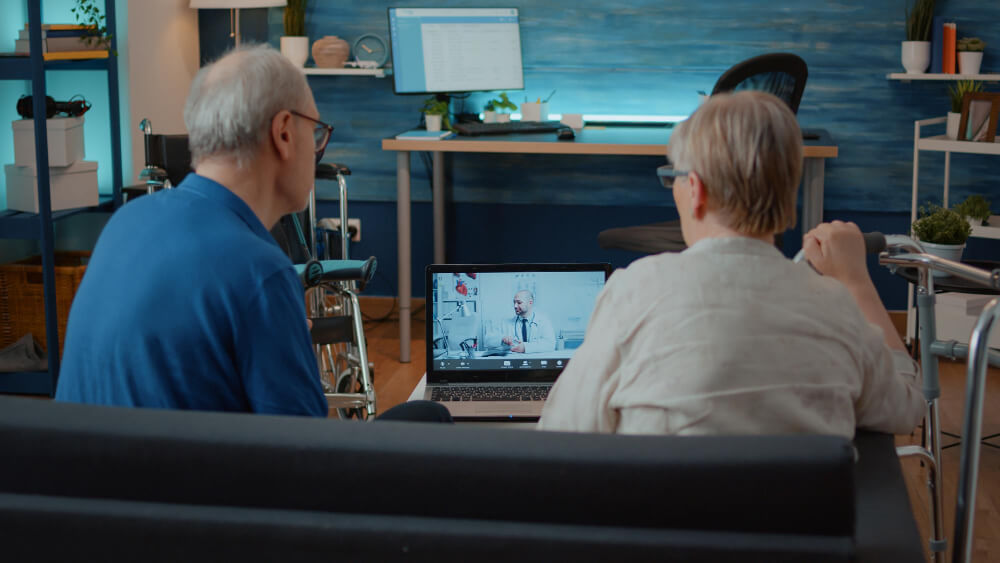
To fill this gap, virtual nursing models have become popular in many facilities, with registered nurses remotely delivering care via telehealth technologies. In case you are thinking about this model, it is essential to learn how to recruit the correct virtual RN.


What Is a Virtual Nursing Home Registered Nurse (RN)?
Professional nurse working remotely with multiple healthcare systems

Virtual nursing home RN is a licensed nurse who delivers administrative and clinical care remotely through the application of digital technologies, including remote monitoring systems, video & electronic health records (EHRs).

As opposed to physical bedside nurses, virtual RNs are not on-site, but still participate intensely in patient care. They are able to retrieve real-time patient information, coordinate with on-site personnel & even inform clinical decision-making.


Why Hire a Virtual Nursing Home RN?

When it comes to hiring a virtual RN, it is not only about cost reduction, but also the enhancement of care delivery in the resource-limited environment.

→ Better Patient Outcome

Improved patient outcomes are some of the best reasons for hiring virtual registered nurses. In nursing homes, it has been reported that telehealth can reduce emergency department visits, which are 85 in every 1,000 residents

This means that the older patients will have reduced stressful hospital transfers and continuity of care.

→ Reduced Clinical Hours

An operation case is very strong too. Virtual nursing can relieve the administrative and repetitive workload on the bedside nurses and enable them to concentrate on practical care. 

Virtual nursing has helped to save tens of thousands of staff hours every year and increased patient satisfaction scores significantly in some healthcare systems.

→ 24/7 Patient Monitoring & Support

Virtual RNs enable round-the-clock monitoring. It is done without the need for additional in-house staff. They can track vital signs, respond to alerts, and provide immediate guidance to patients during clinical concerns.

This continuous oversight helps detect early warning signs of deterioration. Also prevents complications then ensures timely escalation when needed… ultimately improving patient safety, thus ultimately improving you revenue, helping your practice grow!

→ Enhanced Communication & Family Engagement

Virtual nurses also play a key role in improving communication between patients, families, and healthcare providers. They can conduct virtual check-ins. Providing updates and answering family concerns in real time enhances the availability of care at your facility.

This level of accessibility builds trust. Enhances transparency. Also ensures that families remain actively involved in the care process. Something especially valuable in long-term care settings.

→ Cost-Effective Without Compromising Quality

While cost reduction is not the only goal, it remains a significant benefit when you hire RN remotely. Virtual nursing reduces overtime expenses. Lowers your facility’s readmission costs and optimizes workforce utilization.

Facilities can achieve better financial efficiency while still maintaining… Or we can say, often improving, the quality of care delivered to residents.

→ Overcoming Staffing Shortages

Lastly, virtual nurses are useful in overcoming staffing shortages. According to surveys, three-quarters of healthcare leaders are convinced that virtual nursing is effective in finding nurses who are incapable of working bedside positions. 

This increases the pool of talent, such as qualified nurses who are available on a flexible or remote basis.


Core Responsibilities of a Remote RN

Nurse using laptop and headset for remote patient monitoring and EHR accessAlthough the demand for remote RNs is growing, it is crucial to understand how they can make a difference in the healthcare sector by knowing about their responsibilities.

→ Clinical Responsibilities

  • Clinical control maintenance: A virtual RN is critical to ensuring clinical control. They accompany patient vitals with remote systems, evaluate the symptoms with a video consultation, and offer early intervention. 
  • Diagnosis: Virtual nursing even has the ability in some systems to diagnose ailments like sepsis hours before the event, and built-in AI systems, which increase the survival rate.
  • Patient maintenance: This is also done when virtual care RNs perform a review of medications, revise care plans, and educate patients, in particular, about chronic conditions such as diabetes or heart disease. The complications can be prevented with the help of such interventions, and the hospital readmissions can be reduced.

→ Operational Responsibilities

  • Administrative work: At the operational level, virtual RNs are involved with documentation, admissions, discharges, and coordination of care. It is important work and can take a significant amount of time sometimes for bedside nurses.
  • Work reduction: Facilities can reduce work processes by outsourcing these duties to distant nurses. Other systems save up to two hours per nurse per shift due to virtual nursing support implementation.

Qualifications to Look for in a Virtual RN!

Remote patient monitoring system tracking vital signs in real time

Recruiting a virtual RN demands a slightly different perspective on recruitment than the traditional one. 

Here’s a list of qualifications or requirements mentioned in the Job description of a virtual registered nurse:

Here are the key qualifications to consider:

  1. Current RN License
    A valid and active Registered Nurse license is non-negotiable, ensuring compliance with healthcare regulations and standards.
  2. Educational Background (BSN or ADN)
    A Bachelor of Science in Nursing (BSN) is often preferred for its broader clinical training, though an Associate Degree in Nursing (ADN) can also be suitable depending on the role and responsibilities.
  3. 2–5 Years of Bedside Clinical Experience
    Hands-on experience in patient care equips virtual RNs with the clinical judgment needed to assess, triage, and support patients remotely with confidence.
  4. Telehealth & EHR Proficiency
    Familiarity with telehealth platforms and Electronic Health Records (EHR) systems is critical. Virtual nurses must be comfortable navigating digital tools, documenting care accurately, and communicating effectively through virtual channels.
  5. Strong Communication & Critical Thinking Skills
    Since virtual RNs rely heavily on verbal and digital interaction… clear communication, active listening, and quick decision-making are essential for safe and effective patient care.

Too Much To Do?

At first glance, this may seem like a demanding checklist, and in many cases, it is!

Finding candidates who meet all these criteria, especially in a competitive healthcare market, can be challenging and time-consuming.

Partnering with a remote staffing company like Health & Virtuals allows you to bypass the complexities of recruitment. 

We provide:

  • Pre-vetted and background-checked nurses and 7 remote professionals for all sizes of practices and businesses.
  • Professionals trained through our in-house digital programs.
  • Candidates already skilled in telehealth and remote care delivery.
  • Ready-to-perform, qualified, trained, virtual RNs who can integrate into your system from day one.

This not only reduces hiring time but also ensures you’re bringing in qualified, reliable talent without compromising on care quality.


What Are The Steps to Hire a Virtual RN?

Virtual registered nurse providing telehealth care to elderly patient in nursing home

If you’re thinking about hiring a Virtual RN, here’s how to get started.

→ Step 1: What Do You Need?

The first step in the hiring process is to define your needs. All nursing homes do not need the same amount of virtual support. 

Others might require assistance with the admissions and paperwork, and some might need complete clinical supervision.

→ Step 2: Hire Yourself and Contact a Staffing Company

After identifying your needs, you will then need to determine whether to recruit a full-time employee or engage a remote staffing company for virtual nursing services such as Health & Virtuals. Or you can do it yourself as well. 

→ Step 3: Screening

This is followed by candidate screening. In addition to licenses and certifications, screen applicants based on telehealth experience, communication skills, and problem-solving capacity. 

Carry out video interviews to determine their interaction in a virtual environment.

→ Step 4: Onboarding

Onboarding is critical after the hiring. Offer training on your facility systems, workflow, and patient care guidelines. Virtual nurses need to blend seamlessly with on-site teams to work.

→ Step 5: Performance Measures

Lastly, set performance measures. Measure success by tracking outcomes like patient satisfaction, decreased number of hospital visits, and improved workload on staff.


If you use the services of Health & Virtuals, we take care of all that. All you have to do is share your requirement with us, and get a system-ready candidate trained to incorporate into your team seamlessly. 

We take care of end-to-end hiring and recruitment management also. You just focus on your business. Rest is on us!


Cost of Hiring a Virtual RN

The price of a virtual home care RN may vary based on location, experience & agency or direct hiring.

But the actual worth is in saving on costs. The estimated cost of one registered nurse comes as around or above $52,000. Going remote can save significant dollars. 

Moreover, decreased hospitalization and enhanced care coordination may decrease total health care costs. A single study established that telehealth programs resulted in monthly savings per patient, as well as reduced emergency visits.

Considering the big picture, virtual telehealth nurses can be more economical than conventional staffing solutions.


Technology Requirements for Virtual Nursing Home RNs

Virtual registered nurse providing telehealth care to elderly patient in nursing home

There must be a strong technological base to implement virtual nursing. Here are some pointers:

→ Telehealth Platform Support

The telehealth platforms supporting secure video consultations are at the center stage. They should be in line with the healthcare data rules to guarantee patient privacy.

→ EHRs

The health records allow the RNs to quickly update the patient files and get the history when needed. 

→ Gadgets and Monitors

Remote registered nurses who are working remotely need gadgets and monitors for patient care. They can monitor using wearable watches and other sign monitors without physically being there. 

→ Internet and IT Support

Stable internet access and IT support are also a requirement. Even the most competent virtual telehealth nurse cannot be effective without them.


Best Practices for Hiring and Managing Virtual Nursing Home Registered Nurses

Making virtual nursing successful is not about hiring but a matter of careful integration.

Role clarity: Start by clearly defining roles. Confusion regarding the roles to be performed is among the largest problems that healthcare systems have been reported to experience, and it may restrict the success of virtual programs.

Communication: Effective communication schemes are also essential. Focus on it and don’t take it for granted because it helps in remote settings. 

Reviewing: The performance reviews and feedback loops that are conducted regularly will assist in finding the areas of improvement. Utilize statistics to optimize processes and efficiency.


Future of Virtual Nursing in Long-Term Care

Professional nurse helping elderly at nursing home

Virtual nursing is here to stay, not a fad, but a paradigm change in healthcare provision.

According to surveys, more than half of healthcare organizations intend to increase virtual nursing programs, and they are becoming increasingly confident in the model. 

Simultaneously, 66% of nurse leaders recognize telehealth as one of the main elements of a new model of care in the future.

With the rise of technology, virtual RNs and RN care coordinators will perform even more advanced functions, including predictive analytics and AI-based care monitoring. It will also increase patient outcomes and decrease operational strain.

In the case of nursing homes, virtual nursing is no longer a choice; it is now a requirement to remain viable.


Hire Skilled Virtual Nursing Home RNs with Health & Virtuals!

Professional nurse working remotely with multiple healthcare systems

Finding the appropriate virtual RN, home healthcare, and nursing services online? It may be difficult, particularly when the demand is growing and the supply is scarce.

At Health & Virtuals, we focus on matching nursing homes with highly trained virtual registered nurses who are aware of long-term care. 

Want to hire RNs? 

We are ready to help every facility located anywhere in the United States! Find Us!

Contact us! Get your custom quote, NOW.


FAQs

Is it cost-effective to hire a virtual RN?

Yes, particularly in long-term savings. Virtual RNs save the cost of hospital visits, promote efficiency, and can assist in reducing turnover costs, which is a cost-effective investment.

Can telehealth nursing be safe among the elderly?

When implemented correctly, telehealth is safe and effective. It allows the constant surveillance, a quicker response, and better coordination of care- in most cases, it has better results compared to the traditional models.

Why is it better to have a virtual RN hired by families?

Families enjoy enhanced communication and better monitoring and less frequent hospital visits for their loved ones. Education and support are also offered by virtual RNs, making the families feel more engaged and confident.

08Mar

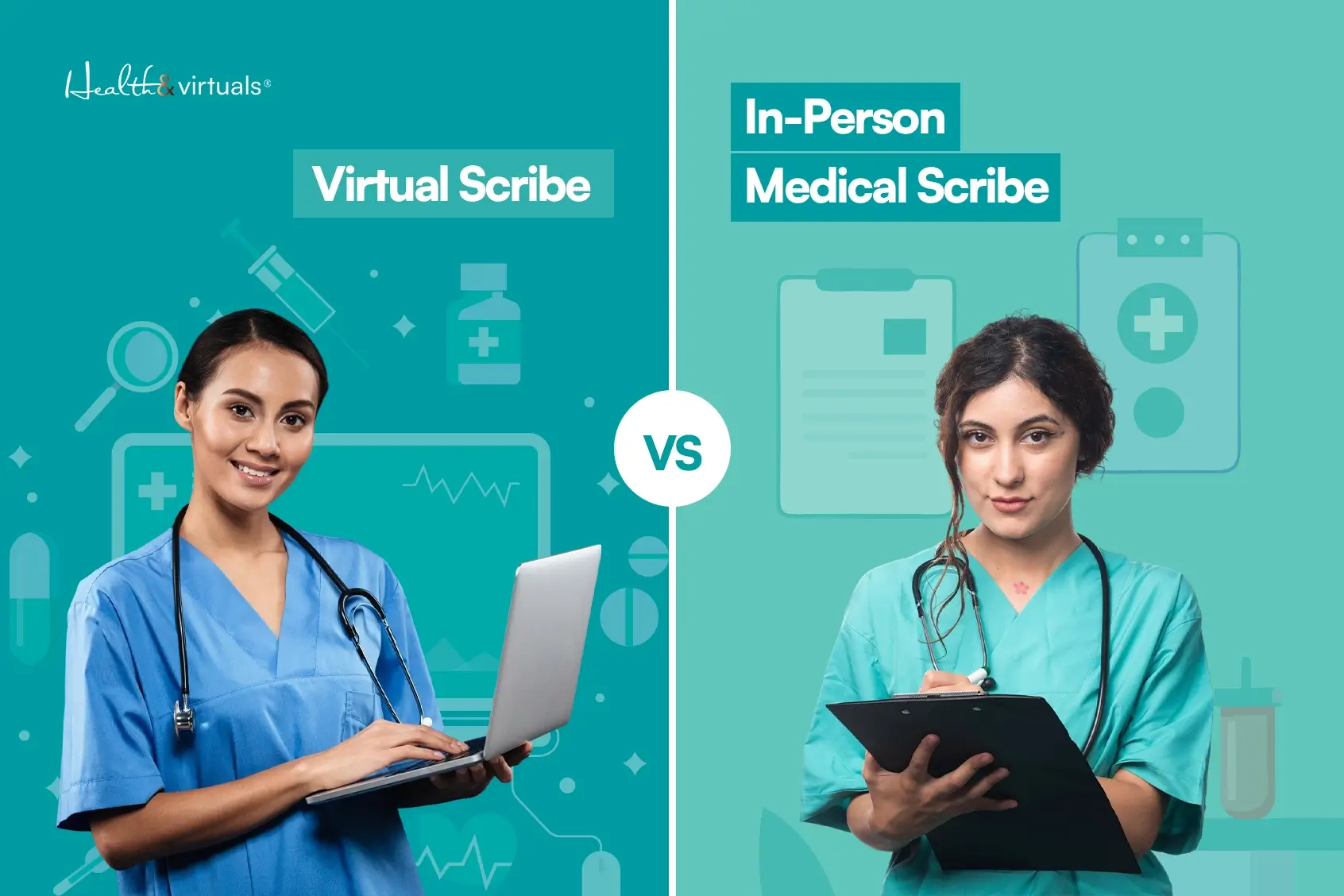
Virtual Scribe vs In-Person Medical Scribe | Which Is Better?

Electronic health records (EHRs) and documentation are other administrative issues that burden healthcare providers today. Every hour that a physician is with patients, they might have to spend almost two hours doing the administrative work that involves documentation and billing.

Such a cumbersome documentation burden is one of the significant contributors to physician burnout and decreased time with patients. Consequently, clinical documentation has been changing to the use of telemedicine scribes in most healthcare practices to ensure effective handling.

Medical scribes can be classified into two types: virtual medical scribes and in-person scribes. Both alternatives have their own strengths and weaknesses. If you’re trying to find the best solution for your practice, knowing the difference between the two can make it easier. So, read on and make an informed decision.


What Is a Virtual Medical Scribe?

virtual medical scribe working remotely on laptop documenting patient visit in electronic health record system

A virtual medical scribe is a professional person who records the interactions with the patients remotely. The scribe is not present in the clinic physically. Rather they connect using safe audio or video channels.

Virtual scribes are usually connected to the EHR system of the practice remotely and write clinical notes, update patient records, and help them with documentation as the physician is attending to the patient.


Duties of a Virtual Scribe

healthcare professional using laptop for telehealth documentation with remote scribe support

The tele scribes carry out most of the documentation work that the traditional scribes do, only that they do it remotely. They typically have to deal with:

  • Note-taking of patient meetings at appointments.
  • Adding a history of the patient, drugs, and symptoms in EHRs.
  • Writing clinical notes, including SOAP notes.
  • Helping with coding and documentation of bills.
  • Fetching medical records and laboratory results for the physicians.

What Is an In-Person Medical Scribe?

in-person medical scribe documenting patient visit beside physician in clinic exam room

A medical scribe is an in-person worker who operates in the clinical practice with a physician. They normally follow the doctors when they are meeting the patients and register the visit details in real time.

Such scribes are in the same room as the examiner or the surrounding workstation so that they can observe the interactions of the patients, pose clarifying questions, and record the information in real-time.

The in-person scribes have been demonstrated to be adapted in high-volume settings like emergency departments, urgent care clinics, and specialty practices with high needs for fast documentation.


Duties of an In-Person Scribe

in-person medical scribe documenting patient visit beside physician in clinic exam room

In-person scribes perform diverse clinical documentation activities within the healthcare facility, and these include:

  • Documenting patient interactions in the exams.
  • Real-time updating of electronic health records.
  • Recording findings of physical examination and treatment plans.
  • Developing discharge summary and referral note.

Since they are on-site when the patient is visiting, in-person scribes are able to react immediately to requests by the physician and also record more information about the interaction.


Virtual Scribe vs In-Person Medical Scribe: Key Differences

Although both attempts to decrease the workload of physicians, their effects on the working process, costing system, and work flexibility can differ dramatically.

→ Location and Mode of Work

Virtual scribes work on remote access to the EHR systems, and this implies that usually a physician communicates with the involved telescribe using audio connections, headsets, or secure telehealth applications. This installation will enable the writer to record patients’ visits in real time without necessarily being in the clinic. 

Since remote virtual medical scribes are remote, they are capable of assisting several providers in various locations, which may be particularly beneficial to healthcare organizations that have a distributed workforce or telehealth.

Face-to-face scribes, in their turn, are incorporated into the clinical setting. They are physically in an exam room and can notice procedures, body language, and other situational aspects that may not always be recorded by the use of audio communication. This physical presence may result in more detailed documentation and result in physicians providing rapid verbal directions during the encounter.

→ Operational Scalability

The other significant distinction is in the operational scalability. The expansion of virtual scribe services is fast because the providers can reach trained scribes without hiring or training a new employee. 

Conversely, scribes are usually recruited, onboarded, trained, and provided with space in the clinic, which is in contrast to the tasks of hiring a scribe.

→ Cost Structure

There are also differences between the two models in cost structure. A remote medical scribe can also be priced based on subscription or per service, which can reduce overhead costs. Face-to-face scribes act more as conventional employees, i.e., the practices should be considerate of salaries, benefits, and resources at the workplace.


Benefits of Virtual Medical Scribes


Virtual scribe solutions are beneficial in the following ways.

→ Cost efficiency

Virtual scribes are usually cheaper than an in-house staff due to the remoteness of their work. Office space, equipment, and on-site management are some of the expenses that practices can avoid.

→ Scalability

Virtual scribes are able to grow easily to accommodate two or more providers or a developing healthcare system.

→ Reduced physician workload

Research has revealed that remote scribes save time in documentation to a great extent. In one study, physicians who made use of virtual scribes realized significant decreases in EHR time per appointment, such as clinical notes and after-hours reporting time.

→ Reduced burnout

Physician wellness can also be enhanced by medical scribes. The study reported that doctors who had scribes had their burnout levels reduced by 26.8 percent.

See: How remote talent can transform your US healthcare practice….


Limitations of Virtual Medical Scribes 

Although they have their benefits, virtual scribes have their drawbacks as well.

→ Technology dependency

Remote medical scribing needs to have good internet connections and a secure software platform. Technical problems can interfere with documentation procedures.

→ Retardant social communication

Virtual scribes do not enter the examination room. Therefore, they do not get visual cues or nonverbal information that might be of help in documentation.

→ Privacy concerns

When collaborating with a remote virtual scribe service, healthcare organizations should consider that patient privacy rules are to be adhered to, and data transmission should be secure.


Benefits of In-Person Medical Scribes 

A relaxed and satisfied physician with improved work-life balance due to reduced EHR burden through virtual medical scribes.

Face-to-face scribes still remain a significant part of most healthcare facilities.

→ Real-time collaboration

Physical presence will enable the telemedicine scribe to liaise with the physicians and clear information immediately.

→ Enhanced situational knowledge

On-site scribes have the opportunity to watch how the patient interacts, their body language, and how they are examined, which could enhance the quality of clinical notes.

→ Seamless workflow

In-person scribes might be less intrusive to the daily workflow and team communication since they will work within the clinical setting.


Limitations of In-Person Medical Scribes

medical scribe writing clinical notes and SOAP notes in electronic health record system

Despite its effectiveness, there are also a few challenges that face the in-person scribes.

→ Higher operational costs

Employment of on-site scribes comes with other expenses like training, office, equipment, and employee benefits.

→ Limited availability

It may be challenging to recruit and retain qualified scribes. Particularly with smaller clinics or rural health care settings.

→ Staff management

The healthcare practice has to deal with scheduling, in-house scribers training, and turnover.


Which Option Is Better for Your Practice?

clinical documentation workflow with medical scribe helping physician reduce administrative workload

The decision between a virtual or in-person medical scribe is up to your practice.

Virtual scribes can be applied in the best practices that:

  • Desire to cut down on the operations.
  • Require adaptable documentation assistance.
  • Have practice in different locations.

Face-to-face scribes can be used in practices that:

  • Demands strong cooperation when attending to patients.
  • Like on-site documentation support.
  • Employment in emergency departments with high activity.

Both solutions will greatly decrease the workload of the administration and enhance the output of the physicians. In most instances, it boils down to workflow choices, budget, and technology at hand.


Hire Reliable Virtual Medical Scribes with Health & Virtuals!

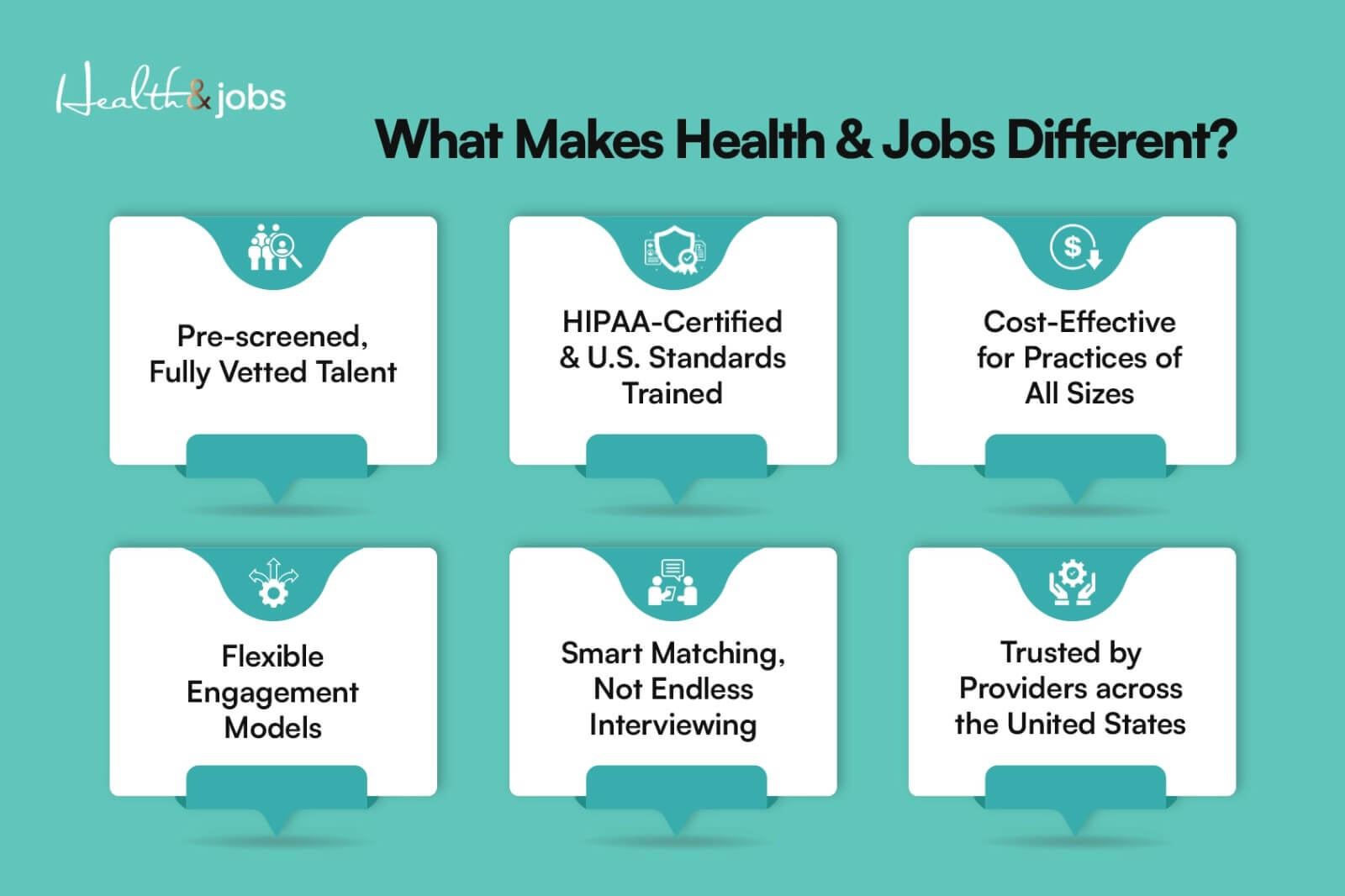
What makes health and virtuals different

If you’re looking to enhance the efficiency in your practice, consider cooperating with professional virtual scribe solutions from Health & Virtuals

Our handpicked, trusted virtual scribes assist the doctor in clinical documentation oversight, electronic health records updating, and easing the administration burden.

By trusting us, your practice can cut down the workload of the physicians, increase the time spent with patients, and improve the level of operational efficiency.


So, get started now!


FAQs

Are all EHR systems compatible with virtual scribes?

The majority of virtual scribe services are trained to integrate with popular EHRs, including Epic, Cerner, and Athenahealth. But compatibility can be related to the individual service provider and the software installation of the healthcare practice.

Are remote medical scribes HIPAA compliant?

Yes. HealthAndVirtuals maintains high adherence to the HIPAA compliance standards and operates on a secure network, encrypted communication and confidentiality contract to ensure patient data security.

Are medical scribes useful in decreasing physician burnout?

Yes. Research indicates that hiring medical scribes can greatly decrease worker burnout by decreasing EHR hours and documentation work. 


02Mar

How Virtual Wellness Assistants Improve Patient Outcomes and Help Practices Thrive?

Wellness and healthcare practices are rapidly developing since technology is increasingly a larger constituent of patient care. Wellness center clinics currently have a great number of appointments, contacts with patients, documentation, and follow-ups, which tends to waste time. It has been found that physicians are spending considerable amounts of time during a week on administrative tasks instead of actual patient care, and this is one of the causes of burnout and inefficiencies in healthcare systems.

This is where virtual wellness assistants are making a difference….

They enable the providers to work on the areas that matter most through the management of routine tasks remotely and thus delivering better care and improving patient outcomes. 

This article will discuss the nature of virtual assistants for health coaches, their capabilities, and roles in assisting wellness centers to expand, as well as enhance patient experiences.


What Is a Virtual Wellness Assistant?

Online administrative support for mental health and wellness coaching practice using digital communication tools.

A virtual wellness assistant is a remote practitioner who aids healthcare or wellness providers with administrative and operational duties, as well as patient-communication duties via the internet. They operate at a distance and are directly incorporated into the workflow, systems, and communication channels of the clinic.

Virtual assistants can be used in the wellness industry (therapy practices, telehealth wellness center clinics, nutrition centers, and holistic health businesses) to facilitate the effective running of wellness facilities without the need to hire more employees to work in the office.


What Do Virtual Wellness Assistants Do?

Wellness assistants carry out a variety of activities that enhance the effectiveness of communication and work in healthcare practices. The wellness assistant duties usually focus on the idea of providing patients with timely help and maintaining an organized workflow for providers.

Indicatively, virtual assistants can make appointments, administer patient records, perform insurance checkups, and answer frequent questions from patients. The roles assist wellness center clinics in operating efficiently and minimizing delays in care services.

They also facilitate the telehealth setting by assisting the patients in booking consultations, ordering prescription refills, or getting a reminder and instructions before the consultation. 

This kind of support enhances interaction and increases the availability of virtual healthcare to patients.


Key Duties and Responsibilities of a Virtual Wellness Assistant

Remote virtual wellness assistant scheduling patient appointments and updating electronic health records from a home office workspace.Although the specific tasks can differ according to the nature of the wellness practice, the vast majority of virtual wellness assistants can operate through some of the basic tasks:


  • Scheduling of the appointment and calendar.
  • Coordination of patient intake and updates of records.
  • Bill verifications and insurance checking.
  • Organizing emails, calls, and inquiries from patients.
  • Making appointments and follow-up messages.
  • Keeping electronic health records (EHR).

These duties play a major role in minimizing the workload for the on-site personnel. 

→ Wellness assistants relieve clinicians of repetitive administrative duties so that they spend more time on patient care and treatment planning.


Essential Skills of a Remote Virtual Assistant Health and Wellness

In order to be possible within healthcare settings, health and wellness virtual assistants require technical, communication, and organizational skills.

→ Good Communication

Primarily, good communication skills are required. Virtual assistants can also communicate directly with patients either by calling, mailing, or messaging. Professional communication is clear-cut and trustworthy to build trust and enhance the overall patient experience.

→ Organizing and Time Management Skills

Secondly, virtual assistants’ health and wellness have to be very organized. Time management and attention to detail are necessary in making arrangements, keeping track of schedules, and managing numerous communication channels. They are essential in several practices to ensure that operations are going well.

→ Digital Literacy

Lastly, there is the issue of digital literacy. Virtual wellness assistants should be collaborators in telehealth services, scheduling, and electronic health record software. As the field of healthcare becomes technologically oriented, these technical skills will make it smooth to fit into modern wellness clinics.

→ Knowledge of Healthcare Compliance & Confidentiality

A virtual wellness assistant must understand basic healthcare regulations. Especially patient privacy laws. It includes HIPAA (Health Insurance Portability and Accountability Act) in the United States.

Handling patient records, appointment details, and medical information requires strict confidentiality. 

A professional remote wellness assistant should know how to securely manage emails, patient portals, and electronic documentation to protect sensitive information.

→ Emotional Intelligence & Patient-Centered Approach

Professional virtual wellness assistant providing remote healthcare support to improve patient outcomes and streamline clinic operations.

Healthcare and wellness services are deeply personal. Virtual wellness assistants often interact with patients who may be anxious, stressed, or dealing with health concerns.

Strong emotional intelligence allows them to:

  • Respond with empathy
  • Stay calm in sensitive situations.
  • Provide reassurance without overstepping professional boundaries…

A compassionate tone significantly enhances patient satisfaction and retention.

→ Basic Medical Terminology Knowledge

A remote wellness assistant doesn’t need to be a clinician, but understanding common medical and wellness terminology is essential.

This includes:

  • Common diagnoses.
  • Treatment types.
  • Wellness procedures.
  • Insurance and billing terms.

Why?

Familiarity with medical language reduces errors in scheduling, documentation, and communication with healthcare providers.

→ Problem-Solving & Critical Thinking

In healthcare, unexpected situations are common… Double bookings. Urgent appointment changes. Technical telehealth issues or billing discrepancies.

A skilled virtual wellness assistant should be able to:

  • Think quickly.
  • Identify practical solutions.
  • Escalate issues appropriately.
  • Prevent minor issues from becoming larger disruptions.

Proactive problem-solving keeps clinic operations running smoothly.

→ Customer Service & Relationship Management

Wellness practices usually work on long-term patient relationships. In that case, a virtual wellness assistant plays a crucial role in maintaining that connection.

They should:

  • Follow up with patients.
  • Send reminders.
  • Handle feedback professionally.
  • Maintain a welcoming and professional tone.

Excellent customer service strengthens the brand image of the clinic or wellness center.

→ Multitasking Ability

Virtual wellness assistants often juggle appointment scheduling. They should know Email management and insurance verification. They should also be able to handle social media inquiries. 

For practices offering telehealth services, a wellness assistant’s duties include telehealth coordination. They should know how to do that!

The ability to multitask without sacrificing accuracy is essential for maintaining workflow efficiency.

→ Technical Troubleshooting Skills

Since most work is remote, minor technical issues are inevitable. A competent assistant should be comfortable troubleshooting:

  • Video conferencing issues (Zoom, telehealth platforms).
  • Calendar syncing problems.
  • Basic CRM or EHR system errors.
  • Email delivery issues.

Basic tech confidence reduces downtime and improves productivity.


Education, Training, and Certification Requirements for Virtual Wellness Assistants

Educational Background

  • A diploma or a degree in healthcare-related fields
HIPAA and Data Privacy Training
Telehealth and Digital Healthcare Training
Technical Skills

  • Electronic Health Record (EHR) systems.
  • Healthcare CRMs
Administrative Experience

  • Scheduling appointments
  • Insurance verification
  • Billing coordination
  • Patient follow-ups
Certifications (not always mandatory)

  • Certified Medical Administrative Assistant (CMAA)
  • Healthcare IT or EHR certifications
  • Telehealth coordinator training
  • HIPAA compliance certification

The health and wellness virtual assistants typically originate within the healthcare administration, clinically supporting, or office-based medical position, but employers are starting to demand special training since healthcare data and workflows are sensitive.

Remote care coordination apps and digital patient management are also more desired by many healthcare organizations due to the fact that modern clinics are highly dependent on these processes. So, the assistants are required to be digitally literate, as said before. 


Where Do Virtual Wellness Assistants Work?

Remote wellness assistant sending appointment reminders and follow-up messages to improve patient engagement and treatment adherence.

Health and wellness virtual assistants operate in numerous health and wellness environments. These are telehealth wellness clinics, mental health practices, wellness coaching businesses, medical spas, fitness and nutrition programs, and integrative health centers.

They can work remotely and, as such, are able to support the practices in other cities or even countries. This scalability enables healthcare vendors to expand their operations without having to rent more office space or employ full-time in-house personnel.

Virtual assistants’ health and wellness have also had more opportunities with the emergence of telehealth and digital healthcare services. The remote healthcare solutions are now constantly on the rise as patients appreciate the value of convenience, access, and quicker services.


Benefits of Hiring a Virtual Wellness Assistant For Your Wellness Center

how virtual wellness assistant will help your practiceThere are many benefits of hiring a virtual wellness assistant. Here are a few important ones:

1. Less Administrative Burden on Healthcare Providers

One of the largest healthcare practice issues is administrative workload. Virtual assistants can be used to automate scheduling, billing, documentation and insurance verification, enabling clinicians to concentrate on patient care and not paperwork.

2. Increased Patient Involvement and Treatment Adherence

Virtual assistants remind, provide follow-ups, and provide health instructions that keep patients active regarding their treatment plans. This assists in eliminating missed appointments and enhances continuity of care.

3. Less Waiting Period and Improved Workflow

Wellness clinics can run more efficiently when the scheduling and the intake processes are automated or operated remotely. Patients have shorter waiting durations and ease in the appointment. This enhances the patient experience and the performance of operations.

4. Cost-Efficient

Cost savings are another significant advantage. These assistants have the capacity to lower the number of staff yet provide the required administrative assistance. In other scenarios, practices have been able to save a lot of money in the administration staffing through the incorporation of remote assistants into their operations.

5. Better Patient Outcomes

Above all, patient outcomes are improved when the providers can concentrate on patient care rather than documentation. The more frequent contact with patients and reminding of appointments on time as well as effective follow-ups, contribute to increased patient engagement and satisfaction with your wellness clinic.


Strengthen Your Wellness Center with Qualified Virtual Wellness Assistants from Health & Virtuals!

If your administration is slacking off, you can make a big difference by hiring a competent health and wellness virtual assistant. These professionals assist in streamlining operations, enhancing patient communication, and assist in enhancing care delivery.

Health & Virtuals, as the best remote staffing company in the United States, matches virtual wellness assistants with wellness centers to bridge the gap between patient support requirements and healthcare processes. 

With expert telehealth specialists joining your team, your wellness clinic will be able to run a more efficient operation and provide a superior experience to all clients.


Contact us now to get your personalized quote!


FAQs

What is a virtual wellness assistant?

A virtual wellness assistant is an online health or wellness professional who helps healthcare or wellness professionals with administrative work, communication with patients, day-to-day scheduling, and electronic records.

Do VWAs meet the requirements of HIPAA?

No, not all virtual wellness assistants are programmed to make healthcare data privacy and security compliant. 

Can a virtual wellness assistant be used to improve patient outcomes?

Virtual wellness assistants enhance the results, as patients get the timely notifications, responses to the questions fast, and follow-ups in order.

Who hires a virtual wellness assistant?

Virtual wellness assistants can be hired by telehealth providers, wellness clinics, therapy practices, medical offices, and healthcare startups alike.


25Feb

Dental Assistant vs Medical Assistant | What’s the Difference?

Healthcare careers continue to attract people who want stability, purpose, and faster entry into the workforce. Among the most popular options are dental assistants and medical assistants. Two roles that play a vital part in patient care…

The sustained demand can be gauged by the increasing employment rates for the two; according to the U.S. Bureau of Labor Statistics, employment of medical assistants is projected to grow 12% between 2024 and 2034, while demand for dental assistants is estimated to grow 6% during the same period. 

At the same time, more and more healthcare facilities are turning to virtual staffing solutions to streamline administrative tasks and improve operational efficiency. However, though part of the extensive support staff in healthcare, there is a clear distinction between the two roles depending on their site of work, responsibilities, and education requirements. 

If you’re trying to decide between a dental assistant vs. a medical assistant, understanding these key differences can help you choose the path that aligns with your goals


What is a Dental Assistant? 

Dental assistant preparing instruments while assisting a dentist explaining patient about dental procedure.

A dental assistant supports dentists during procedures, managing clinical and administrative tasks in a dental setting. An on-site dental assistant is usually tasked with assisting chairside during dental procedures, among other duties. 

However, a virtual dental assistant is only delegated administrative tasks such as scheduling appointments and managing billing, but in way lesser cost than in-house staff.

Primary Responsibilities of a Dental Assistant

A virtual dental assistant is not required to actively assist dentists during procedures the way on-site dental assistants do. 

Instead, they are equipped to deal with the following tasks: 

  • Manage the dentist’s calendar to avoid scheduling conflicts. 
  • Schedule patient appointments. 
  • Verify the patient’s dental insurance. 
  • Manage patient records. 
  • Handle billing and coding. 
  • Process claims.

What is a Medical Assistant? 

Virtual medical assistant using a laptop to schedule appointments and verify insurance remotely.

A medical assistant is usually stationed in clinics, hospitals, and specialty practices, equipped to support physicians with clinical and administrative duties. However, similar to other virtual medical staff roles, they are mostly hired to handle administrative tasks via telecommunication means and other electronic medical systems. 

Primary Responsibilities of a Medical Assistant

  • Schedule appointments for patients. 
  • Communicate with patients via phone calls.
  • Manage patients’ electronic health records (EHR). 
  • Verify patient eligibility for insurance.
  • Process patient billing and claims.

Dental Assistant vs Medical Assistant: Key Differences 

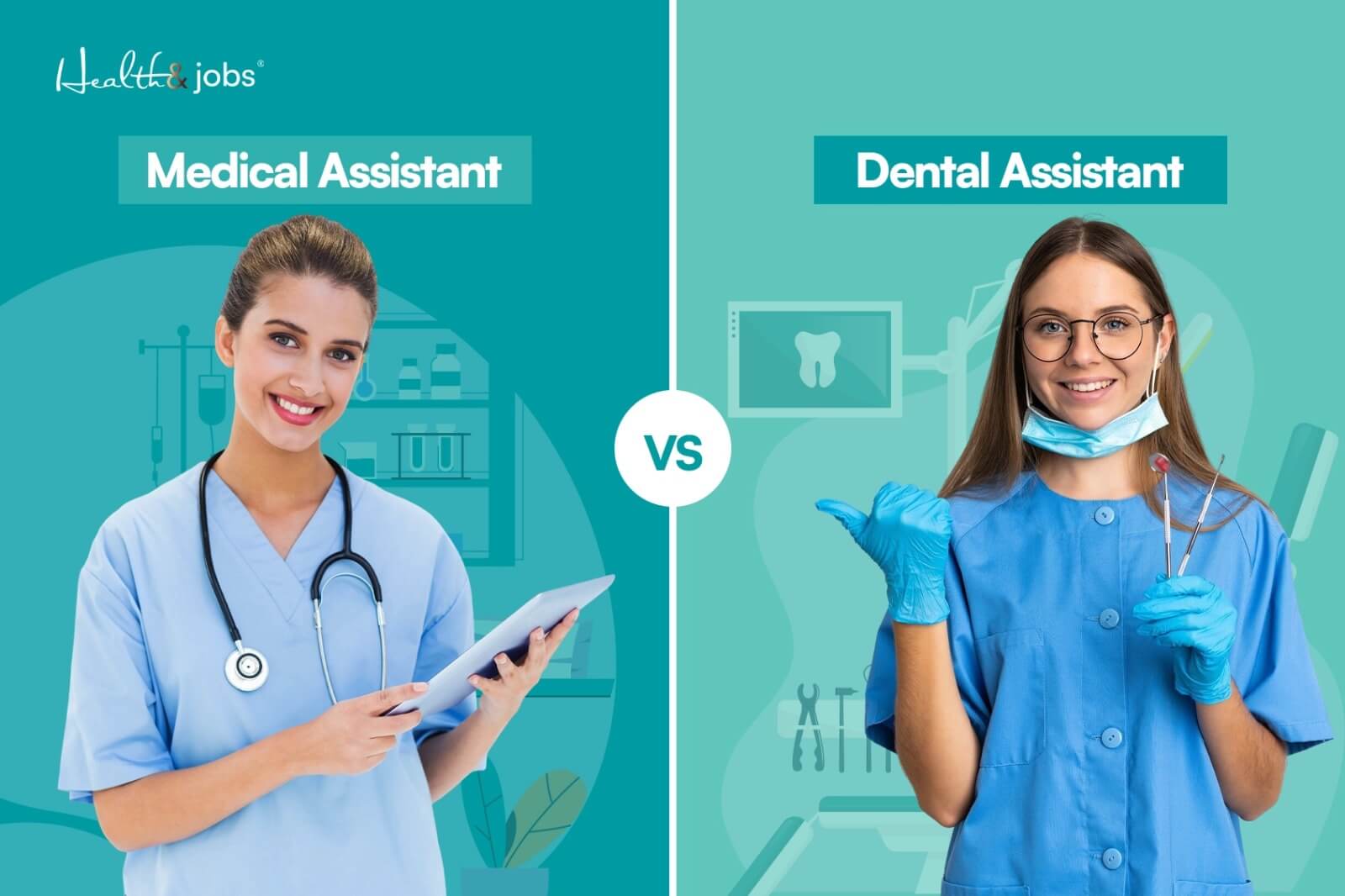
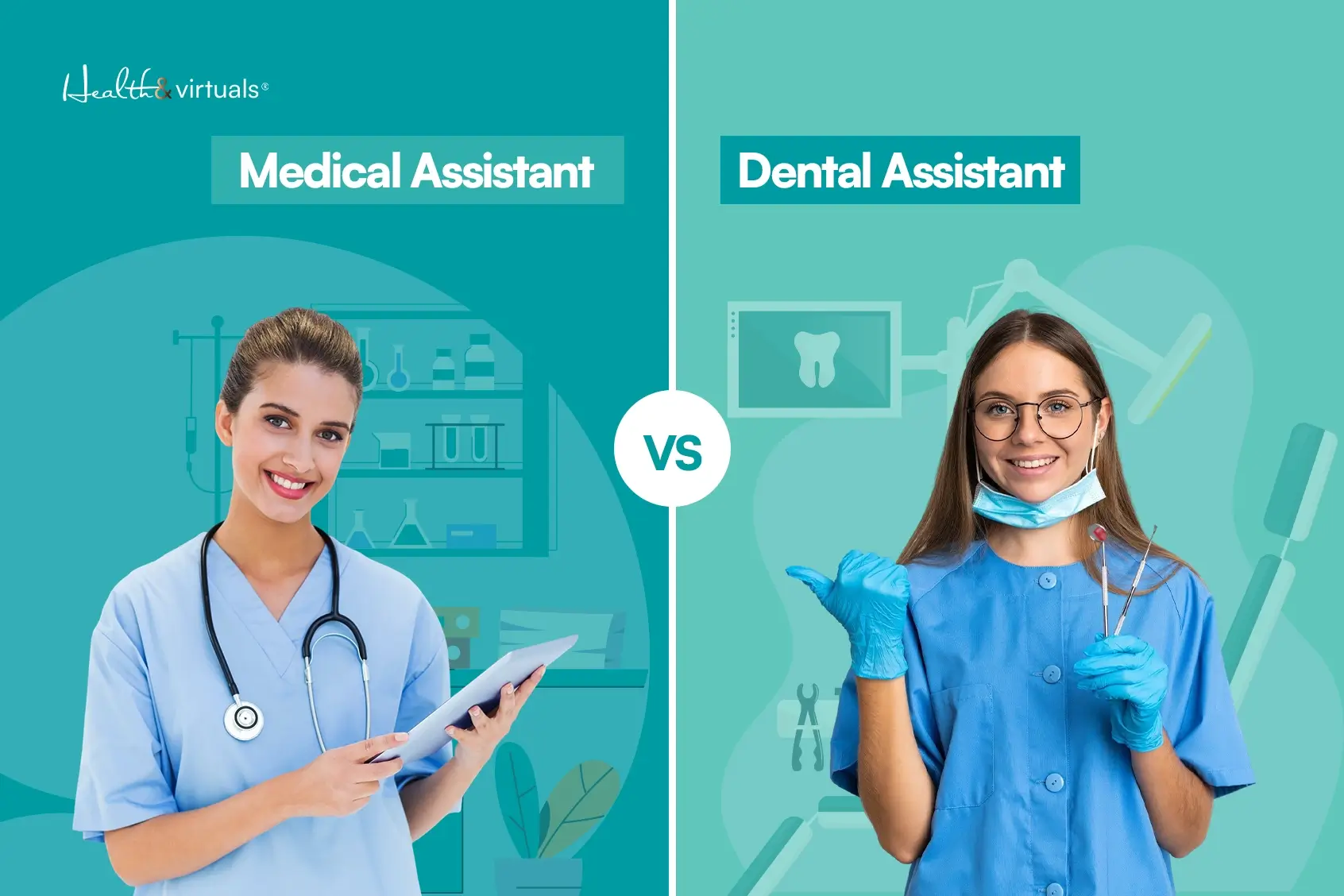
comparison image showing medical assistant vs dental assistant

Both dental and medical assistants are pillars of keeping healthcare facilities running smoothly. However, the core difference lies in their area of specialization and scope of support. 

The focus of dental assistants is specifically on supporting dentists and oral healthcare procedures, while medical assistants work closely with physicians in broader medical settings. 

Here are the major differences to consider before hiring for either role. 

→ Work Environment

Dental assistants are hired exclusively in dental settings and are under the supervision of dentists. 

Medical assistants work in general healthcare or specialty practices. 

→ Scope of Knowledge

Dental assistants are required to have technical knowledge of dental instruments and oral anatomy, regardless of on-site or virtual hiring. 

Meanwhile, knowledge of medical assistants may vary according to different medical specialties. 

→ Documentation

Virtual dental assistants document treatment procedures, chart dental findings, and update patient dental records. 

Medical assistants update medical histories, record vitals, and maintain patient charts. 

→ Technical Tools and Equipment

Dental assistants work with specialized instruments. Including suction devices, impression materials, dental radiography equipment, and sterilization systems. All these are unique to oral healthcare.

Medical assistants use broader clinical tools. It includes EKG machines, blood pressure monitors, glucometers, and electronic health record (EHR) systems.

→ Career Advancement Pathways

Dental assistants may advance into expanded function dental assistant (EFDA) roles, dental office management, or pursue dental hygiene programs.

Medical assistants can transition into roles such as clinical supervisor, healthcare administrator, nursing programs, or specialized medical certifications.

→ Regulatory Oversight

Dental assisting regulations are often governed by state dental boards with clearly defined scope-of-practice rules.

Medical assistant regulations vary more widely by state and specialty practice, particularly regarding the clinical procedures they are permitted to perform.

→ Specialization Opportunities

Dental assistants may advance into expanded functions roles, orthodontic assisting, oral surgery assisting, or office management within dental practices.

Medical assistants can transition into specialties such as cardiology, dermatology, pediatrics, or pursue further education in nursing, healthcare administration, or allied health professions.

→ Education and Certification Requirements 

Education requirements for both require a high school diploma or equivalent. 

Most dental assistants then complete accredited programs at community colleges or vocational schools for an additional diploma. 

Other certifications, such as the Dental Assisting National Board, are preferred by some employers.  Depending on their scope of work. For a virtual dental assistant, experience in dental software and dental coding knowledge becomes more important. 

Medical assistants typically complete a certificate, diploma, or associate degree program in medical assisting. As online virtual medical assistants, they must have EHR proficiency, insurance verification knowledge, understanding of medical coding, and HIPAA compliance training. 


Hiring Demand and Workforce Trends 

Remote medical scribe representing technology to document live telehealth patient consultation

Assisting roles in healthcare remain of great importance due to growing patient volumes and increased clinical burden. Medical assistants and dental assistants have their own scope of work; thus, there’s rarely any competition between the two in the job market. 

Hiring demand for medical assistants is higher due to their expertise across multiple medical specialties. 

Meanwhile, dental assistants continue to be in demand as part of the oral healthcare landscape. 

However, a major workforce trend impacting both roles is the shift toward remote administrative healthcare support. 

Healthcare practices are increasingly:

  • Outsourcing billing and insurance tasks.
  • Hiring virtual healthcare professionals.
  • Reducing in-office staffing overhead.
  • Expanding telehealth services.

This has created a growing demand for virtual medical assistants and virtual dental professionals.


Salary Comparison: Dental Assistant vs Medical Assistant 

Despite both being support roles in healthcare, the salaries for dental assistants and medical assistants are different. Experience, geographic location, certifications, scope of work are some of the factors that also have an influence on their remuneration. 

In 2024, the average salary for a dental assistant in the USA was approximately $42,000 to $47,300 annually, or about $20 to $23 per hour, as reported in the U.S. Bureau of Labor Statistics. 

Medical assistants in the USA earn a median annual salary of approximately $42,000 to $44,720, or about $20 to $21 per hour as of 2024.

For employers, virtual staffing often provides: 

  • Lower operational costs.
  • No need for physical workspace.
  • Reduced benefits overhead.
  • Flexible staffing scalability.

Therefore, virtual dental and medical assistants prove to be a cost-effective solution for growing practices. 


Work Environment 

Medical clinic examination room where medical assistants support physicians and patient care.

Dental assistants are typically hired to work in private dental clinics, several orthodontic practices, oral surgery centers, and specialty dental offices. In virtual roles, however, this role transitions into remote billing coordinators, insurance verification specialists, treatment plan administrators, and patient scheduling coordinators.

The work environment of a traditional medical assistant includes hospitals, primary care clinics, specialty medical practices, and urgent care centers. For administrative coordination as virtual medical assistants, they usually work from the comfort of their homes, handling appointment scheduling, EHR documentation updating, insurance eligibility checks, and patient follow-ups. 


Which Role is Right for your Healthcare Facility? 

Healthcare professionals including doctors and assistants discussing patient treatment plans.

The right choice depends on your facility type and operational needs.

→ Choose a Dental Assistant If

  • You operate a dental or orthodontic practice.
  • You need chairside procedural support.
  • Your clinical workflow requires hands-on dental assistance.
  • You need specialized dental billing support.

→ Choose a Medical Assistant If

  • You run a general or specialty medical clinic.
  • Patient coordination and scheduling are overwhelming your front desk.
  • Insurance verification delays are affecting revenue.
  • Your physicians need broader administrative support.

You might be in benefit from hiring a virtual healthcare professional if:

→ Your practices’ overhead costs are rising.

→ In-office staff are overloaded.

→ Billing follow-ups are inconsistent.

→ You want scalable administrative support.

→ You want to reduce burnout among clinical staff.


Hire Skilled Virtual Healthcare Professionals with Health & Virtuals!

Finding reliable, trained healthcare professionals can be time-consuming and expensive — especially in a competitive labor market.

Health & Virtuals connects healthcare facilities with:

Our professionals are trained in:

  • EHR systems.
  • HIPAA compliance.
  • Insurance workflows.
  • Revenue cycle support.
  • Patient coordination.

Whether you need support for a growing dental clinic or a multi-specialty medical practice, we help you scale efficiently without increasing in-office overhead.

Looking for a specialized dental assistant or a versatile medical personal assistant, the right hire is sure to transform your workflow, revenue cycle, and patient experience. 

Partner with Health & Virtuals today to build a stronger, more efficient healthcare team. 

20Feb

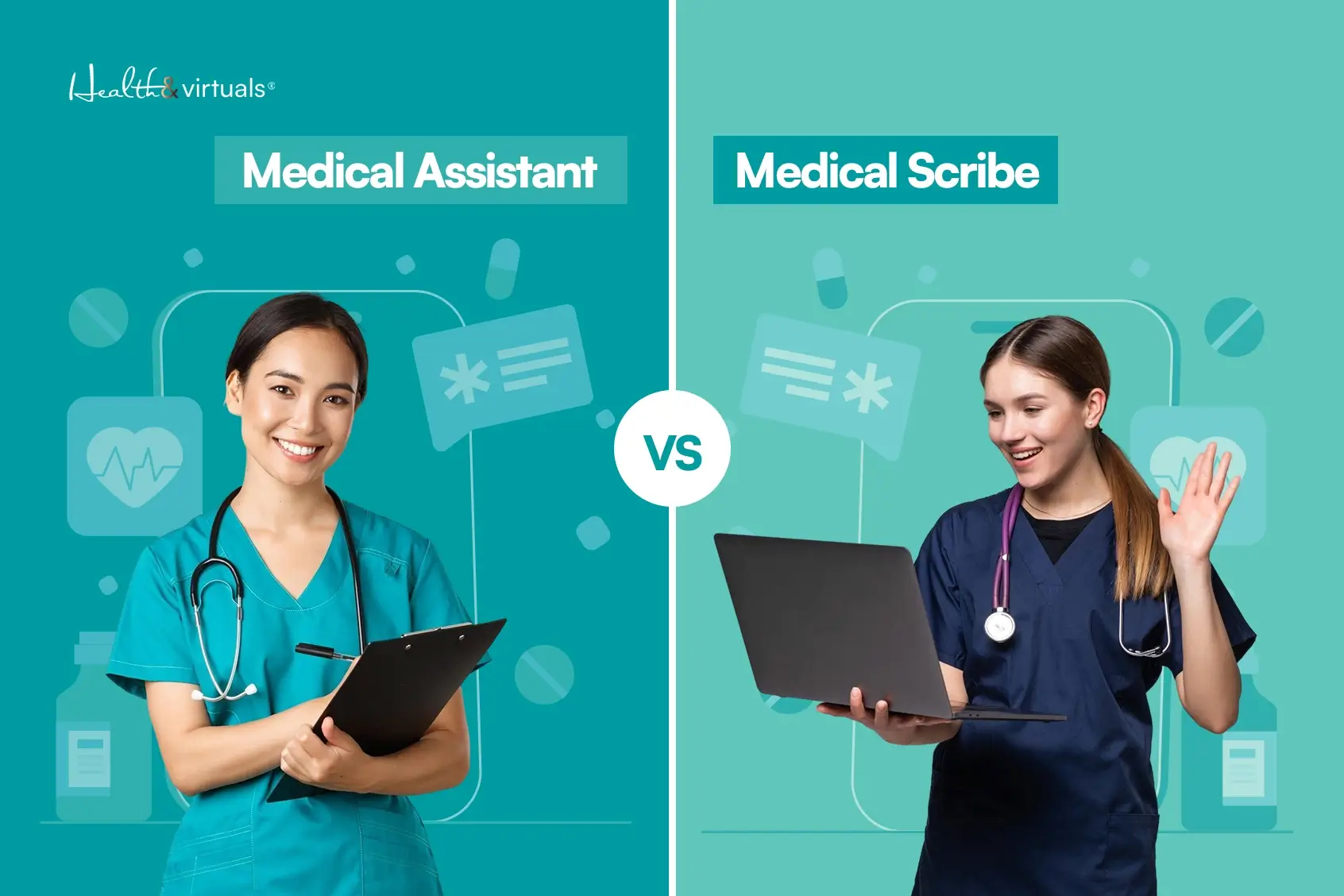
Medical Scribe vs Medical Assistant: Key Differences!

Running an efficient healthcare practice requires more than skilled physicians. Behind every smooth patient visit is a well-coordinated support team. That support team keeps the medical billing and documentation accurate. They manage workflows organized, and ensure patient care is uninterrupted. Two roles that often cause confusion are medical scribes and medical assistants.

Although both professionals support physicians.. But their responsibilities differ significantly. Understanding the distinction between a medical scribe and a medical assistant helps healthcare employers make informed hiring decisions and allows job seekers to choose a career path aligned with their skills and goals.


What is a Medical Scribe?

Medical scribe typing patient information into electronic health record system during physician consultation

As the name suggests, a medical scribe is a healthcare professional who writes. In other words, they are in charge of documenting each step of the patient visit to a physician. 

They may also be referred to as healthcare documentation specialist due to the nature of their roles. 

Typically stationed next to the healthcare provider, they record the exchange between the patient and the doctor in real-time. It helps in maintaining the accuracy of patients’ medical charts by transcribing exactly what they said during the visit. 

Primary Responsibilities of a Medical Scribe

  • Document patient visits in the Electronic Health Record (EHR).
  • Record medical history, symptoms, diagnoses, and treatment plans.
  • Assist physicians with chart completion.
  • Prepare documentation for billing and coding.
  • Ensure accurate and complete patient records.

Work Environment

Medical scribes’ most common sites of work is offices of physicians, state hospitals – either local or private, and outpatient care centers, among others. 

However, virtual medical scribes can be very useful as they eliminate your in-house staff cost, as they may also work from home by listening to live patient-physician encounters via secure video or audio and documenting notes directly into Electronic Health Records (EHRs) in real-time. 


What is a Medical Assistant? 

A medical assistant is a healthcare professional who supports physicians in handling both clinical and administrative tasks at a medical facility. 

Unlike medical scribes, they are in direct contact with patients, aiding with coordinating appointments, managing their records, and handling billing. 

The work scope of a virtual medical assistant mostly leans toward administrative operations via telecommunication means and other electronic medical systems. 

Primary Responsibilities of a Medical Assistant

  • Schedule appointments for patients. 
  • Communicate with patients via phone calls.
  • Manage patients’ electronic health records (EHR). 
  • Verify patient eligibility for insurance.
  • Process patient billing and claims.

Work Environment

The work environment of a medical assistant is similar to that of a medical scribe, working in physicians’ offices, hospitals, and outpatient care centers. 

However, those virtual or remote medical assistants working remotely can help your practice. As they are easily scalable and less costly than in-house staffing.


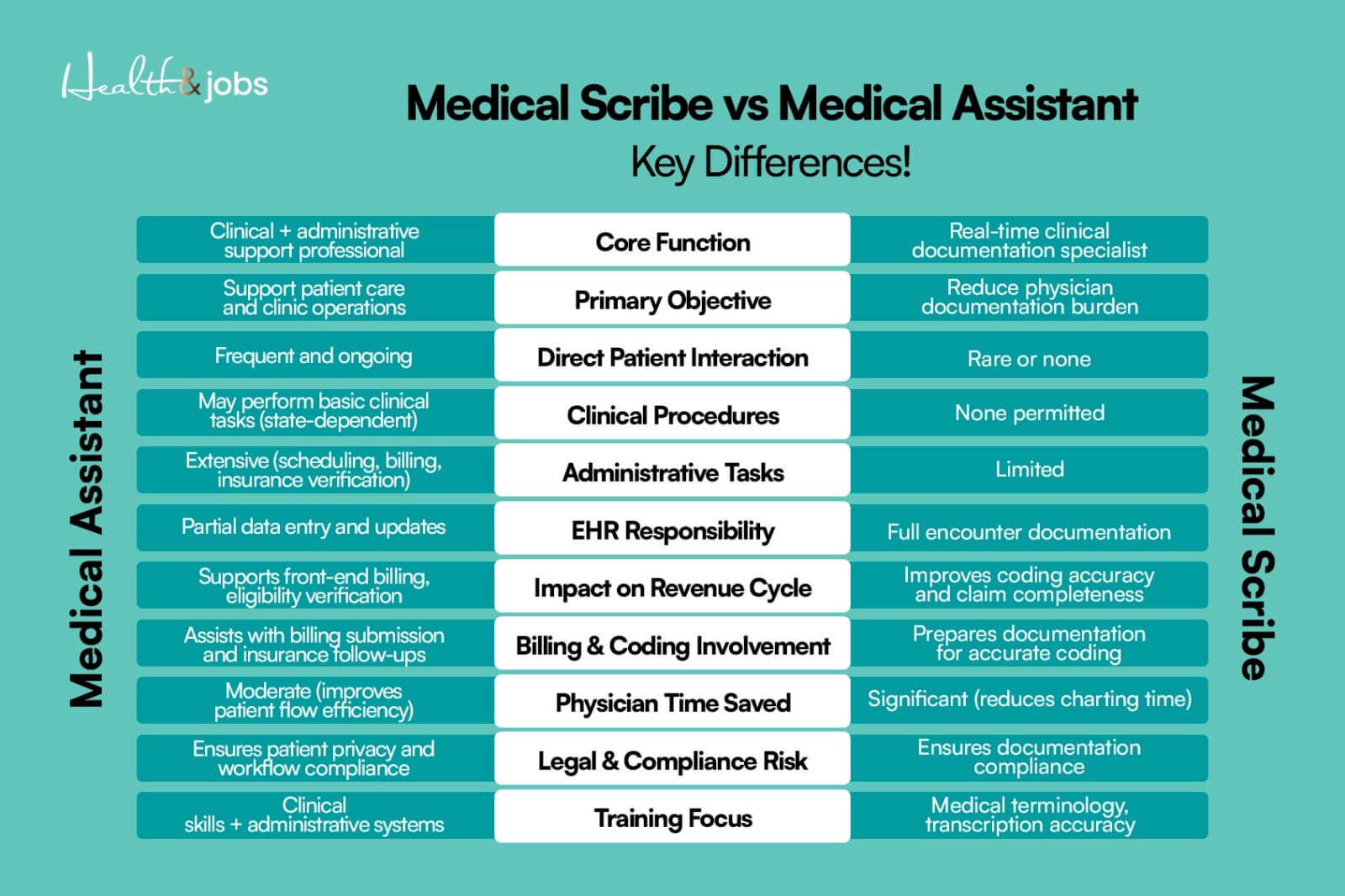
Medical Scribe vs Medical Assistant: Key Differences

key differences image comparison image showing medical assistant vs medical scribe

Both medical scribes and medical assistants play a significant role in running a successful healthcare practice. The core difference lies in the nature of their jobs…

Medical scribes offer documentation support to the physicians, while medical assistant is equipped to provide both clinical and administrative support. 

Here are some other differences you should look out for before hiring either of them or choosing a career path: 

→ Patient Interaction

Medical scribes are not in direct coordination with patients. Instead, they are trained to document patient-physician encounters from the sidelines. 

In contrast, whether they are working remotely or on-site, medical assistants are mostly in constant coordination with patients. 

→ Clinical Duties

Medical scribes do not have any clinical duties; their scope of work is mostly technical, such as transcribing voice recordings, handling EHRs, and maintaining patients’ medical charts. 

Medical assistants, on the other hand, may perform clinical tasks depending on their scope of training and site of work. 

→ Documentation Depth and Accuracy

Medical scribes are trained to capture:

  • History of Present Illness (HPI)
  • Review of Systems (ROS)
  • Physical Exam findings
  • Assessment & Plan
  • Procedure notes
  • ICD-10 and CPT-supportive documentation

Their documentation directly impacts:

  • Coding accuracy
  • Claim approval rates
  • Legal protection
  • Audit compliance

Medical assistants may enter demographic data, update patient history, or log vitals — but they do not generate full encounter narratives.

→ Purpose

A medical scribe is dedicated to reducing the documentation burden for the physician, so they can aptly focus on clinical tasks. 

While a medical assistant helps physicians in both patient care and clinic operations. 

→  Operational Workflow Impact

→ A medical scribe:

  • Increases patient volume capacity.
  • Reduces after-hours charting.
  • Improves documentation turnaround time.
  • Supports accurate billing.

→ A medical assistant:

  • Reduces patient wait times.
  • Improves scheduling efficiency.
  • Manages front-desk flow.
  • Supports insurance verification.

In short:

Scribes improve physician efficiency.

→ Medical assistants improve clinic efficiency.

→ Revenue Cycle & Financial Impact

Medical Scribes:

  • Improve documentation specificity.
  • Reduce claim denials due to incomplete notes.
  • Support higher reimbursement accuracy.
  • Strengthen audit protection.

Medical Assistants:

  • Verify insurance eligibility.
  • Collect copayments.
  • Coordinate referrals.
  • Assist in claim submission.

Both indirectly support revenue, but scribes impact backend accuracy while assistants support frontend processes.

→ Cost & Staffing Strategy for Employers

From a practice management perspective:

When to Hire a Medical Scribe?

  • Physicians are overwhelmed with charting.
  • Documentation delays impact billing.
  • Burnout is increasing.
  • After-hours charting is common.

When to Hire a Medical Assistant?

  • Patient volume is increasing.
  • Front-desk workload is heavy.
  • Scheduling errors occur frequently.
  • Clinic flow is inefficient.

Some practices benefit from hiring both for maximum operational efficiency.

Comprehensive Comparison Table | Medical Scribe vs Medical Assistant

Category Medical Scribe Medical Assistant
Core Function Real-time clinical documentation specialist Clinical + administrative support professional
Primary Objective Reduce physician documentation burden Support patient care and clinic operations
Direct Patient Interaction Rare or none Frequent and ongoing
Clinical Procedures None permitted May perform basic clinical tasks (state-dependent)
Administrative Tasks Limited Extensive (scheduling, billing, insurance verification)
EHR Responsibility Full encounter documentation Partial data entry and updates
Impact on Revenue Cycle Improves coding accuracy and claim completeness Supports front-end billing, eligibility verification
Billing & Coding Involvement Prepares documentation for accurate coding Assists with billing submission and insurance follow-ups
Physician Time Saved Significant (reduces charting time) Moderate (improves patient flow efficiency)
Legal & Compliance Risk Ensures documentation compliance Ensures patient privacy and workflow compliance
Training Focus Medical terminology, transcription accuracy Clinical skills + administrative systems
Career Trajectory Pre-med, PA, nursing stepping stone Long-term allied health career option
Remote Work Feasibility Highly adaptable to virtual model Mostly administrative tasks adaptable remotely
Burnout Reduction Impact Directly reduces physician burnout Improves operational stress management

Strategic Hiring Insight for Healthcare Practices!

If your goal is:

  • Reduce physician burnout → Hire a Medical Scribe
  • Improve patient experience → Hire a Medical Assistant
  • Optimize revenue and workflow → Consider both!!!

The right decision ultimately depends on your practice’s operational pain points.


Education and Certification Requirements 

Get training to become Healthcare professionals working remotely to provide medical documentation and administrative support

A high school diploma or equivalent is a prerequisite for both medical assistant and medical scribe. Further education requirements for medical scribes usually vary depending on employer demand. 

However, a foundational knowledge of medical terminology, anatomy, and physiology is typically required to accurately document patient encounters. They should also be trained in performing technical tasks, such as handling EHR systems. Certification is optional.

In addition to a high school diploma and basic medical knowledge, certifications or degrees in medical office administration and health information services are usually helpful in landing a job as a medical assistant. 

HIPAA training is mandatory to ensure patient privacy compliance.

→ Health & Virtuals provides pre-vetted, trained, HIPAA-Certified working professionals ready to help your practice from DAY ONE!


Essential Skills for Medical Scribes 

There are a number of skills required to make a name as a medical scribe in a competitive world of healthcare.

These include, but are not limited to: 

1. Medical Terminology Knowledge

A medical scribe must be able to comprehend the anatomy, physiology, and medical jargon while listening to a patient-physician encounter for fast, accurate note-taking. 

2. Technical Proficiency

One of the non-negotiables for a medical scribe; Should have a comfort-level understanding of EHR systems and telecommunication tools. 

3. Communication Skills

A medical scribe must consistently communicate and clarify information to providers, thus requiring clear, professional, and concise communication skills. 

4. Attention to Detail

As an active listener, a medical scribe has the ability to listen, process, and document critical information from a patient-physician encounter in real-time or from audio. 

5. Respect for Privacy and Confidentiality

Regardless of the role, a healthcare professional is HIPAA compliant, strictly adhering to data privacy regulations. 


Essential Skills for Medical Assistants 

Healthcare administrator scheduling appointment and verifying insurance information on computer

The skills of a medical assistant may vary according to their working location. A virtual medical assistant is typically bound to administrative tasks and require following skills: 

1. Medical Knowledge

Whether on-site or remote, a medical assistant must be accustomed to medical terminology and basic medical procedures. 

2. EMR/EHR System Proficiency

As a remote medical assistant, they must be able to navigate, update, and manage Electronic Medical/Health Records (EMR/EHR) for smooth patient record maintenance. 

3. Communication Skills

Medical assistants are in direct coordination with both patients and providers; therefore, they must be clear and empathetic in how they communicate. 

4. Regulatory Knowledge

As a HIPAA-compliant healthcare professional, medical assistants must understand and adhere to the privacy standards of the state. 

5. Organizational Skills

Medical assistants must possess strong skills in appointment scheduling, calendar management, email management, and task prioritization to avoid last-minute hassles. 


Which Role is Right for You?

Choosing the right career path may feel overwhelming in the wake of two similar yet distinct medical roles. However, one can decide the best course of action by having a clear outlook on their goals.

For example, if a job seeker is interested in documentation and prefers to stay on the sidelines rather than participate in hands-on clinic operations, a medical scribe is gold for them. 

Meanwhile, a medical assistant is in constant communication with providers and patients, and is more on the front-end of healthcare operations. 

→ Thus, if you prefer a clinical environment to showcase your administrative skills, then a medical assistant is the right choice.


Why Healthcare Practices Hire Virtual Medical Scribes?

There has been a rising trend in hiring virtual medical roles, including medical scribes, due to a number of reasons. 

In addition to cost savings on staffing, space, and equipment, working remotely has been known to increase productivity due to a lack of burnout. 

A medical scribe can efficiently document encounters between patient and provider from the comfort of their home. 

A physician’s workload is also significantly reduced due to the delegation of time-consuming documentation to the virtual medical scribe.


Why Healthcare Practices Hire Virtual Medical Assistants?

Medical assistants play a crucial role in supporting the clinical and administrative workflow of a healthcare facility. 

Remote assistants help these practices grow and handle more work, minimizing the need for hiring more in-office staff. 

Virtual medical assistants are typically tasked with scheduling appointments, verifying billing and insurance, and updating records – all of which they can do without requiring a formal workspace. 

By handling all of the administrative tasks, they promote productivity with effective time management.


Hire Skilled Medical Scribes and Medical Assistants with Health & Virtuals!

Healthcare practices today are inundated with administrative pressure and documentation requirements atop clinical duties. A limited budget makes hiring and training in-house staff time-consuming and expensive. 

Health & Virtuals helps overcome this challenge by providing highly trained remote staff, including virtual medical scribes and medical assistants. 

Healthcare staff at our organization is effectively trained in handling both administrative and clinical workflows, along with a strong command of HIPAA regulations. 

As the best virtual staffing agency in Florida and the United States, Health & Virtuals offers personalized solutions based on the unique needs of each practice.

Whether you need documentation support, administrative assistance, or both, our trained virtual staff can help to improve productivity, reduce burnout, and support your practice growth.


Contact Health & Virtuals today to connect with skilled professionals who integrate seamlessly into your existing workflow. 

05Feb

What Does a Chiropractic Assistant Do? Skills, Duties, and Benefits

Managing a busy chiropractic clinic can quickly become overwhelming, especially when your administrative tasks start pulling attention away from patient care. From appointment scheduling to patient intake and insurance coordination, the role of a chiropractic assistant is critical to daily operations. 

Health & Virtuals bridges this gap! How?  By providing trained, pre-vetted remote certified chiropractic assistants to U.S. healthcare practices. We offer dependable support at affordable rates without compromising quality.


What is a Chiropractic Assistant?

A Chiropractic Assistant (CA) is a significant part of a chiropractic practice that contributes to clinical and administrative processes. Chiropractic assistants assist in the smooth daily operations by attending to the patients and arranging the schedules, records, and supporting the chiropractors with non-medical activities. 

Chiropractors are in a position to concentrate on patient care with an organized, efficient practice environment due to their role as chiropractic office assistants.

The common duties of a chiropractic assistant are:

  • Receiving and attending to patients.
  • Dewing schedules and calendar management.
  • Dealing with phone calls and patient inquiries.
  • Keeping the patient records and documentation.
  • Helping with payment, insurance checks, and billing.
  • Compliance and supporting office functions.

What is a Chiropractic Virtual Assistant?

 Chiropractic Assistant doing remote work and writing something on a paper from laptop

With the changing nature of chiropractic practices, most clinics of professional chiropractors are resorting to the use of Chiropractic Virtual Assistants (CVAs), who are remote practitioners but carry out the same basic administrative tasks without the need to be in the clinic. 

Virtual assistants act as effective and compliant users of secure digital tools and practice management systems to assist chiropractic offices.


At Health and Virtuals, we offer trained and pre-vetted chiropractic virtual assistants who have been trained on U.S. healthcare processes and HIPAA compliance. Your virtual assistants become part of your practice and provide reliable services at a 60-80% less cost than hiring employees in-house.


What Does a Chiropractic Assistant Do? 

A Chiropractic Assistant (CA) is a trained professional. They can be of significant help in making your chiropractic practice run smoothly. 

They assist chiropractors in their daily administrative and patient-facing activities, facilitate effective operations, and make patients experience a pleasant environment. Though they do not perform clinical procedures, they play a critical role in the success of the practice.

A chiropractic office assistant will normally do these tasks for you:

→ Managing check-in and check-out of patients, welcoming patients, and running their schedules accordingly.

→ Scheduling and calendar management of appointments as a virtual scheduler.

→ Responding to phone calls, emails, and patient queries.

→  Intake forms and documentation of patients.

→ Basic billing and insurance checking.

→ Electronic health records (EHRs) maintenance.

→ Receiving of payments and invoice processing.

→ Arranging follow-ups and appointment reminders.

→ Ensuring HIPAA and office compliance.


Key Duties and Responsibilities of a Chiropractor Assistant

A chiropractic assistant supports the chiropractor in making sure efficient, patient-centered care is being delivered. 

Their responsibilities are usually a mix and match of front-office, back-office, and clinical support tasks. 

→ Patient Communication and Scheduling. One of the primary duties of a chiropractic assistant includes managing appointment scheduling and confirming visits via seamless patient coordination. 

Moreover, they are also responsible for collecting patient intake forms, medical histories, and insurance details. Once the treatment is over, a chiropractic assistant must remain in contact with the patient for appointment reminders and post-treatment follow-ups. 

→ Patient Education. Chiropractor assistants also guide patients on post-treatment care, briefing them on exercises, lifestyle suggestions, and clinic policies for future visits. 

→ Documentation and Records. A certified chiropractic assistant is trained to maintain accurate patient records on Electronic Health Records (EHR), document their visits, and make sure the documents are compliant. 

→ Billing and Insurance Coordination. Many chiropractic assistants are well-versed in finance-related tasks at a medical practice. These include verifying patients’ eligibility for insurance, submitting subsequent claims, managing co-payments, and following up on outstanding balances. 


Essential Skills of a Chiropractor Assistant 

 Chiropractic Assistant following up with an old woman

You may need more than just technical skills to succeed as a successful chiropractor virtual assistant at a healthcare practice. Interpersonal and organizational skills are just as important as clinical expertise for a chiropractic technician since much of the role depends on communication and adaptability. 

A chiropractic assistant job description mentions these essential skills that a trained CA must have. 

1. Basic Clinical Knowledge

The training program for a chiropractic assistant does not contain a full-fledged medical education; however, they must be familiar with basic chiropractic procedures, anatomy, and therapeutic modalities in order to support treatment workflows. 

2. Communication Skills

Chiropractor assistants are in consistent coordination with patients throughout their care journey; thus, clarity, empathy, and professionalism become a prerequisite in their job description. 

3. Organizational Abilities

Precise attention to detail and time management is required for a chiropractic assistant to effectively manage schedules, records, and billing tasks for a chiropractor’s practice. 

4. Technology Proficiency

A chiropractor virtual assistant must accustom themselves with several telehealth platforms, including an EHR system, to comfortably navigate digital tools. 

5. Compliance Awareness

Understanding and complying with HIPAA regulations is critical and required for ensuring patient privacy for remote chiropractor assistants. 


Chiropractor Medical Assistant: Where Do They Work?

Their place of work largely depends on the chiropractic assistant’s job duties. While they primarily work in private clinics run by chiropractors, their employment depends on the practice model, including independent chiropractic offices, sports rehabilitation centers, wellness and pain management clinics, and multi-disciplinary healthcare clinics.

Virtual chiropractor assistants may also support telehealth-enabled chiropractic practices in the wake of the rise of remote healthcare operations. Working from off-site locations, these roles adequately manage administrative tasks, patient communication, and documentation. 


Benefits of Hiring a Chiropractor Assistant 

 Chiropractic Assistant checking a patient and aligning his posture

Hiring a virtual chiropractic assistant offers several benefits for both employers and patients. Their presence points to a smooth workflow of a clinic and subsequent improved care delivery. Thus, chiropractors are able to focus more on hands-on patient treatment and clinical decision-making by delegating administrative tasks to the assistants. This results in fewer burnouts and improved productivity..

The benefits of hiring a chiropractic assistant include:

  • Reduces the chiropractor’s administrative workload.
  • Allows more time to focus on patient care and treatments.
  • Improves appointment scheduling and clinic organization.
  • Enhances patient experience through timely communication.
  • Ensures accurate documentation and record management.
  • Supports insurance verification and billing processes.
  • Minimizes patient wait times and scheduling errors.
  • Helps maintain HIPAA compliance and office protocols.
  • Increases overall clinic efficiency and productivity.
  • Supports practice growth without overwhelming staff.

Virtual Chiropractor Assistant vs In-House Assistant

A certified chiropractic assistant can serve a professional chiropractor in both in-house and remote settings. 

There are distinct advantages associated with both virtual and in-house chiropractic assistants, and the preference primarily depends on a healthcare practice’s operational needs. 

An in-house chiropractor assistant may be more useful in providing hands-on clinical support, such as assisting during procedures, preparing equipment, and directly interacting with patients on-site.

Whereas a virtual chiropractic assistant is more focused on patient intake, scheduling, and documentation. They may also partake in financial responsibilities, depending on their training. They are an ideal option for those practices looking to streamline operations without having to expand physical staff. 

Here is quik comparison of both:

Feature In-House Chiropractic Assistant Chiropractic Virtual Assistant
Work Location On-site at the clinic Remote (off-site)
Hiring Cost Higher (salary, benefits, training) Lower, no benefits or office costs
Training Requires in-house training Pre-trained and pre-vetted
HIPAA Knowledge Varies by hire Trained in U.S. HIPAA standards
Scheduling Support Business hours only Extended or flexible coverage
Administrative Tasks Yes Yes
Patient Communication In-person & phone Phone, email, text, online portals
Scalability Limited by space & budget Easy to scale up or down
Equipment & Workspace Provided by the clinic Not required
Best For Clinics needing physical presence Clinics focused on efficiency & cost savings

Which Option Is Right for Your Practice?

→ Choose an in-house chiropractic assistant if your clinic requires hands-on, physical patient interaction.

→ Choose a chiropractic virtual assistant if your priority is cost control, flexibility, and administrative efficiency…


Who Should Hire a Chiropractor Assistant?

A chiropractic assistant is a necessary resource to chiropractic therapy practices that would like to enhance efficiency and patient satisfaction, as well as the daily practice. The most effective practices enhanced by the hiring of a chiropractic assistant are the following:

  • Individual chiropractors requiring assistance in appointment management, calls, and records.
  • High patient volume and high front-desk workload, chiropractic clinics.
  • Growing practices that are broadening their services or entering new markets.
  • Chiropractic offices in multiple locations that require regular administrative services.
  • Clinics that have staff burnout as a result of high administrative workloads.
  • Patient experience-oriented and office operations practices.
  • Chiropractors; interested in lessening the non-clinical activities and concentrating on treatment.

Chiropractic virtual assistants provide the same administrative knowledge even remotely, which is why it would be a good fit for practices that require flexibility and affordability, and which need professional assistance but are not willing to spend on a full-time and in-house staff.


Hire a Remote Chiropractor Assistant with Health & Virtuals!

 Chiropractic Assistant smiling and showing heart sign with his stethoscope

A qualified chiropractic assistant is not only trained to tackle administrative tasks. They must be trained in the workflow of a healthcare facility, patient communication, and data compliance. 

Hiring a remote chiropractic assistant through Health & virtuals is a smart choice for U.S. chiropractic practices looking to streamline operations and reduce administrative workload. 

Our assistants are pre-trained, pre-vetted, and HIPAA-compliant, ensuring they can seamlessly handle scheduling, patient communication, billing support, and record management. 

By choosing a remote chiropractic assistant, your clinic saves on overhead costs while gaining flexible, reliable, and professional support tailored to your needs. 

With Health & Virtuals, chiropractors can focus on what matters most… providing quality patient care, while our trained virtual professionals can take care of the administrative tasks that keep your practice running smoothly.

→ Partner with us to hire a reliable remote chiropractor assistant and build a more efficient, patient-focused care model. We offer ONE WEEK free trial… Contact Now!


FAQs

Are virtual chiropractor Assistants HIPAA compliant?

Yes, professional virtual chiropractic assistants are trained to follow HIPAA guidelines and handle patient data securely.

What does a chiropractor’s assistant do?

A chiropractic assistant is trained to support daily clinic operations by managing patient intake, scheduling, documentation, and treatment coordination.

Do chiropractor assistants need certification?

Not always. Though formal training or experience in chiropractic or healthcare settings is often preferred.

How does a chiropractor assistant help with billing?

Chiropractor assistants assist with insurance verification, claim submissions, payment collection, and billing follow-ups.

Is hiring a chiropractor assistant cost-effective?

Yes, hiring a virtual chiropractic assistant reduces administrative burden and operational costs while improving efficiency.