15Feb

Family Nurse Practitioner Explained | Everything You Should Know

The American healthcare system is undergoing a paradigm shift as the patient population is becoming more and more demanding, and the primary care doctor shortage is rising. FNPs have become significant frontline health practitioners in this dynamic world of healthcare. Currently, over 431,000 nurse practitioners are licensed in the United States, and the majority of them are family practice trained. The profession is one of the fastest-growing in the medical sector. 

FNPs can also diagnose and treat illness, prescribe medication, and manage the care of all patients of all ages. This is the reason why they are critical to the growth of access to both preventive and chronic care. 

Due to the high demand for the family nurse practitioner workforce, the field is set to remain high in the next decade. It will assist in locating solutions to the existing impending shortage of primary care and also enhance the health outcomes of the communities, urban or rural, with or without underserved populations. 


What is a Family Nurse Practitioner (FNP)?
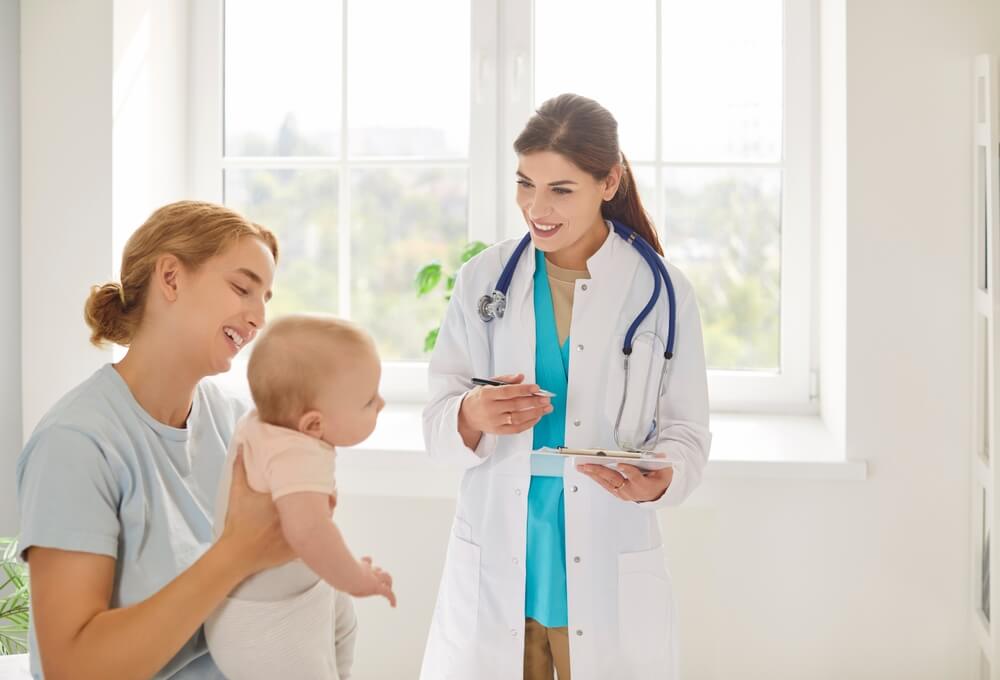
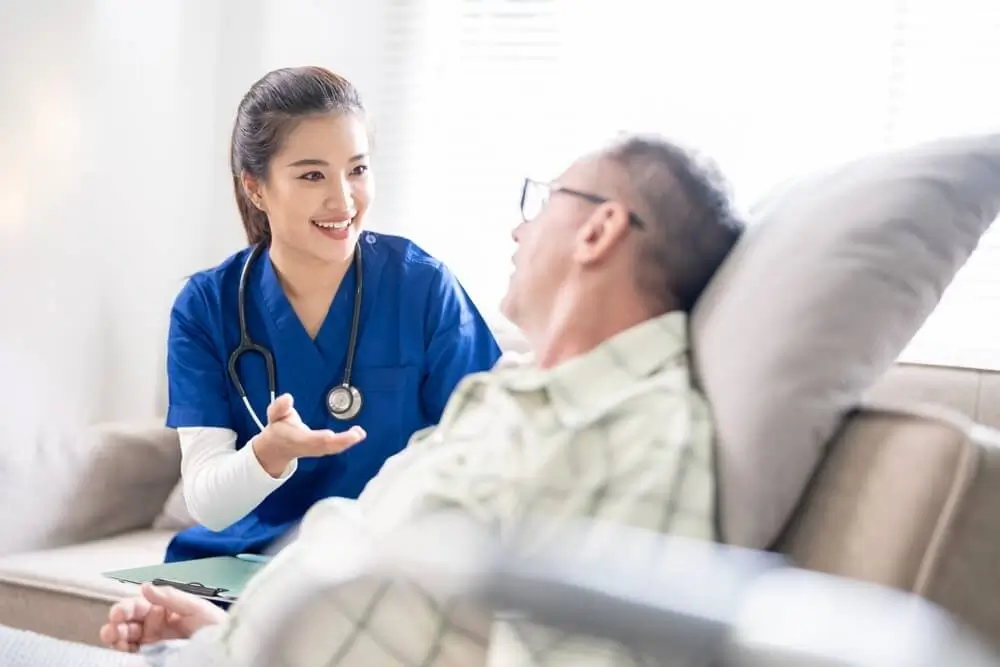
Certified family nurse practitioner examining a patient during a routine checkup

An advanced practice registered nurse (APRN) is a Family Nurse Practitioner. The FNP certificate qualifies one to diagnose, treat, and manage acute and chronic health issues in all patients. 

A certified family nurse practitioner is a combination of clinical expertise and patient centered approach. Concentrating on prevention, health, and wellness.

FNPs have advanced clinical training in the family medicine nurse practitioner practice and a master’s or doctorate degree, unlike registered nurses.


The Role of a Family Nurse Practitioner

The question that many people are asking is what is the role of a family nurse practitioner? FNPs provide both. Primary and preventive care services. In many cases, they become the primary healthcare giver to the patient.

Key Responsibilities include:

  • Building patient-centred care strategies.
  • Organizing the work with specialists.
  • Observing the treatment results.
  • Encouraging preventive medical policies.
  • Helping underserved and rural communities.

How to Become a Family Nurse Practitioner?
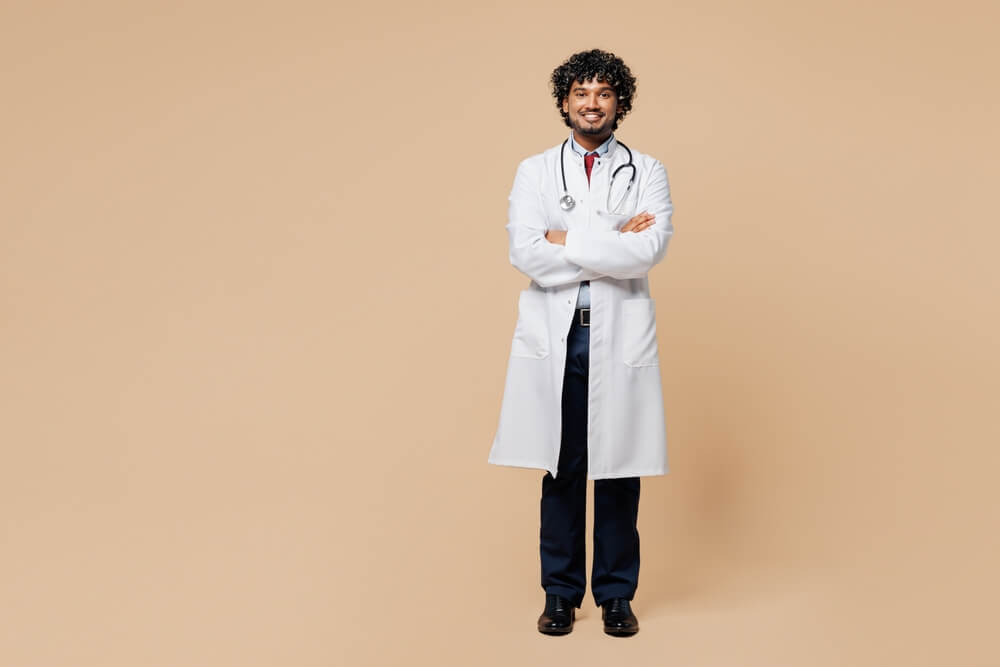
Certified family nurse practitioner at workIf you’re wondering how to become a family nurse practitioner, the process involves advanced education and certification.

Steps to Becoming an FNP

  1. Earn a Bachelor of Science in Nursing (BSN).
  2. Obtain RN licensure.
  3. Complete a Master’s or Doctoral program in family practice nurse practitioner (FNP medical program).
  4. Pass national FNP certification exams.
  5. Obtain state licensure as an APRN.

Some professionals choose a family nurse practitioner online program to balance education with clinical practice.


Roles and Responsibilities of a Family Nurse Practitioner

The role of an FNP extends beyond direct patient care. They are integral members of interdisciplinary healthcare teams and often take leadership roles.

Family Nurse Practitioner Duties

Family nurse practitioner’s responsibilities include:

→ Complete physical tests and health check-ups. Conduct comprehensive assessments, check medical history, examine symptoms, and determine health risks in all age groups.

→ Determine and treat both acute and chronic diseases. Treat acute illnesses like infections and injuries, and help manage chronic illnesses like diabetes, high blood pressure, asthma, and heart disease.

→ Order and interpolate diagnostic tests. Order lab tests, imaging examinations, and screening, and interpret findings to aid in proper diagnosis and effective treatment decisions.

→ Order drugs and treatment regimens. Create a personalized care plan and prescribe drugs in compliance with the state practice requirements.

→ Give preventive treatment and health education. Provide immunizations, routine screenings, lifestyle modification, disease prevention, and wellness education to patients.

→ Treat chronic health conditions. Follow-up chronic diseases, change treatment approaches, and train patients to limit complications and enhance the quality of life.

→ Provide continuity of lifelong care. Deliver patient-centered care and long-term provider-patient relationships through consistent attention to patients.


Essential Skills of a Successful Family Nurse Practitioner

Family nurse practitioner showing empathy while discussing treatment options

An effective Family Nurse Practitioner (FNP) should be skilled in both their clinical and interpersonal abilities as well as their professional competencies. Even though education and certification constitute the medical background, some abilities make outstanding FNPs unique and allow them to provide high-quality patient-centered care.

1. Clinical Expertise and Critical Thinking

FNPs should have a high level of clinical knowledge to assess the symptoms, interpret diagnostic tests, and draw the correct conclusions. Critical thinking enables them to distinguish between similar conditions, giving priority to care, and acting appropriately in complicated or emergency cases.

2. Superior Communication Skills

Effective communication is the key to achieving trust with the families and patients. 

FNPs interpret diagnoses, treatment, and preventive measures in a manner that is comprehensible to patients. They also liaise with doctors, specialists, and other medical practitioners to guarantee smooth care.

3. Patient-Centered Care and Empathy

The empathy will help FNPs to comprehend the emotional, social, and cultural requirements of patients. They demonstrate compassion and respect. It enhances good relationships with the patient, helps in adherence to treatment plans, and enhances patient satisfaction.

4. Time and Organization Management

The necessity to handle various patients, appointments, and administration involves effective time management. Effective FNPs plan their practices, give priorities to tasks, and make sure that no patient care aspects are left unattended.

5. Flexibility and Innovation

The healthcare setting is dynamic, and patient needs and unpredictable challenges change very fast. FNPs have to react quickly, be creative, and come up with feasible solutions to deliver effective and safe care.

6. Leadership and Teamwork

FNPs tend to be the leaders of multidisciplinary teams, directing the treatment plans and liaising with other medical workers. A good performance of the team and strong leadership skills enable them to act as a patient advocate and maximize the overall performance of the practice.

7. Lifelong Learning

Medical knowledge and technology keep changing. Effective FNPs embrace lifelong learning, keeping themselves abreast with the current evidence-based practice, treatment regimens, and healthcare trends.


FNP vs Registered Nurse (RN) vs Doctor: Key Differences

Understanding how FNPs differ from other providers helps clarify their value in healthcare settings.

Role Education Scope of Practice
Registered Nurse (RN) BSN or ADN Patient care and support
Family Nurse Practitioner (FNP) MSN or DNP Diagnosis, treatment, and prescribing
Physician (MD/DO) Medical degree + residency Full medical scope

While FNPs are not doctors, they often perform similar primary care functions, especially in family practice settings.


Where Do Family Nurse Practitioners Work?

FNPs practice in a wide range of healthcare environments.

Common Work Settings include:

  • Family medicine and primary care clinics
  • Hospitals and outpatient centers
  • Urgent care facilities
  • Community health centers
  • Telehealth and virtual care platforms

Why the Demand for Family Nurse Practitioners Is Growing?

Family nurse practitioner conducting a physical exam and health assessmentIn the United States and the world in general, the demand for Family Nurse Practitioners (FNPs) is increasing at a high pace. 

There are multiple reasons behind this increase, and FNPs are one of the rapidly expanding fields in the medical industry.

→ Physician Shortages in Primary Care

There is a shortage of primary care physicians in many regions. Particularly in rural and underserved regions. Family nurse practitioner online or onsite can bridge this gap by offering high-quality primary care, preventive services, and chronic disease management to patients so that they can access timely medical services.

→ Care of Aging Population

Millions of elderly people in the United States are in need of permanent care due to chronic illnesses like diabetes, hypertension, and heart disease. FNPs are best placed to take care of the long-term health, preventive screenings, and populations of all ages.

→ Increasing Access to Healthcare

The healthcare reform and the insurance coverage have opened up medical care to millions of individuals. As the number of patients requesting services increases, FNPs can contribute to the increased demand for primary care and decreased physician and hospital overload.

→ Cost-Effective Care

FNPs are affordable to employ in healthcare organizations. They provide similar services as primary care physicians in most cases at lower costs of operation, hence are a good asset to the hospital, clinic, and individual practice.

→ Emerging Preventive and Chronic Care Emphasis

Preventive care and management of chronic diseases are increasingly becoming a priority. FNPs are also trained to give preventive screenings, educate patients, and manage chronic diseases to reduce hospitalization and enhance the overall health of the population.

→ Remote Care and Telehealth Development

Telehealth growth has offered more possibilities for remote care by FNPs online. This has increased access to rural or underserved patients, which has further increased the demand for skilled nurse practitioners.


Benefits of Hiring a Family Nurse Practitioner for Your Practice

Hiring a family nurse practitioner online or online strengthens healthcare practices by improving patient access and operational efficiency.

Benefits Include:

  • Reduced patient wait times.
  • Lower staffing costs compared to physicians.
  • Improved patient satisfaction.
  • Expanded service capacity.
  • Support for preventive and chronic care management.

Hire the Best Family Nurse Practitioner for Your Practice with Health & Virtuals!
Hire The Best Physician Assistant For Your Practice With Health & virtuals

At Health & Virtuals, we specialize in connecting healthcare organizations with highly trained, certified virtual Family Nurse Practitioners (FNPs) who provide remote support to strengthen your practice. 

Our FNPs are experienced in family medicine, primary care, preventive care, and chronic disease management, ensuring your patients receive top-quality care from anywhere.

By hiring our virtual family nurse practitioner staff, your practice can:

→ Expand patient access without geographic limitations.

→ Reduce operational costs while maintaining high-quality care.

→ Benefit from certified FNPs trained in evidence-based care and telehealth best practices.

→ Scale your healthcare team quickly and efficiently to meet growing demand.

Our FNPs are carefully vetted, credentialed, and trained to provide comprehensive virtual services that mirror the excellence of onsite care. 

With Health & Virtuals, you get skilled, reliable, and dedicated family nurse practitioners ready to enhance patient outcomes and support your practice’s growth… without the overhead of in-office staff.

Partner with Health & Virtuals today. Get a customized quote, according to your practice’s needs… and bring the expertise of top virtual family nurse practitioners to your practice.


FAQs

Is a Family Nurse Practitioner the same as a doctor?

No. FNPs are advanced practice nurses. They are not physicians. Yes, but they can provide many primary care services. Similar to those of doctors.

Can a Family Nurse Practitioner prescribe medication?

Yes. Most states allow FNPs to prescribe medications. Including controlled substances, depending on state regulations.

What is the difference between an FNP and an RN?

An RN provides direct patient care. But an FNP can diagnose illnesses, prescribe treatments, and manage patient care independently.

Are there different specialties of family nurse practitioners?

Yes. While FNPs focus on family care, some pursue additional certifications in areas such as emergency care, geriatrics, or telehealth.
 

10Feb

What Is a Psychiatric Mental Health Nurse Practitioner (PMHNP)?

The number of cases with mental health conditions in the world is increasing, which contributes to the high need for qualified mental health professionals. The World Health Organization (WHO) demonstrates that approximately 1 in 8 people in the world live with a mental condition, and, therefore, mental healthcare is one of the most developing areas of healthcare services. 

It is due to this growing demand that has also seen the spread of more advanced practice jobs, one of which is Psychiatric Mental Health Nurse Practitioners (PMHNPs).

Psychiatric mental health nurse practitioners play a crucial role in the diagnosis, treatment, and management of mental conditions, as well as increasing access to care for patients. They are practical elements of healthcare personnel within the contemporary environment since they will be able to provide both therapeutic and medication services.


What Is a Psychiatric Mental Health Nurse Practitioner (PMHNP)? 

Psychiatric Mental Health Nurse Practitioner following up with a patient

A Psychiatric Mental Health Nurse Practitioner (PMHNP) is an advanced practice registered nurse (APRN) who can be able to offer mental health assessment, diagnosis, and treatment services to a patient across their lifetime. They provide comprehensive psychiatric services that include therapy, medication management, and educational delivery to the patients.

According to the American Psychiatric Nurses Association (APNA), psychiatric-mental health nurse practitioners are ready to examine, decide, and treat mental disorders in compliance alone or with psychiatrists and other healthcare practitioners. 

The PMHNPs deal with a very wide range of illnesses that include:

  • Anxiety disorders
  • Depression
  • Bipolar disorder
  • Post-traumatic stress disorder (PTSD)
  • Substance use disorders
  • Schizophrenia

They provide patient-centered care that integrates both physical and mental health treatment.


How to Become a Mental Health Nurse Practitioner?

Psychiatric Mental Health Nurse Practitioner going back from institute after attending classes

To be a psychiatric-mental health nurse practitioner, one has to have advanced education, clinical training, and certification. It usually consists of several standard steps:

→ Earn a Registered Nursing Degree

The registered nurses have to first complete a Bachelor of Science in Nursing (BSN) and pass the NCLEX- RN exam to qualify as licensed registered nurses.

→ Clinical Nursing Experience

Numerous graduate programs suggest or demand one or two years of clinical nursing experience, especially in a psychiatric or behavioral healthcare environment.

→ Complete a Graduate Program in Nursing

Prospective mental health nurse practitioners online or onsite are required to pursue a Master of Science in Nursing (MSN) or a Doctorate of Nursing Practice (DNP) program, to which they have to add a psychiatric mental health specialty.


What Does a Psychiatric Mental Health Nurse Practitioner Do?

a patient showing a smile emoji and

PMHNPs, together with the physicians, social workers, therapists, and families, create individualized treatment plans. The point of prevention and early intervention is also addressed by PMHNPs and comes under the mental health nurse’s duties to assist patients in dealing with the symptoms before the conditions deteriorate.

Key responsibilities include:

→ Assessment & Diagnosis: Conduct comprehensive evaluations of patients’ mental health, including psychiatric histories and physical health considerations.
Treatment Planning: Collaborate with multidisciplinary teams to create individualized care plans tailored to each patient’s needs.

Therapeutic Support: Provide counseling and psychotherapy to help patients cope with anxiety, depression, trauma, and other mental health challenges.

Medication Management: Prescribe and monitor psychiatric medications, adjusting treatments as necessary to ensure effectiveness and safety.

Crisis Intervention: Respond to acute mental health crises, providing stabilization and support during high-risk situations.

Education & Prevention: Teach patients and families about mental health, coping strategies, and early warning signs to prevent condition deterioration.

Follow-Up & Monitoring: Track patient progress over time, modifying treatment approaches based on outcomes and feedback.


Key Duties and Responsibilities of a PMHNP

The functions of mental health nurse practitioners online encompass a number of basic tasks that involve:

  • A nurse practitioner’s mental health also carries out psychiatric evaluation, review of the medical history, and diagnosis of mental conditions with diagnostic tools and interview the patients.
  • They prescribe and administer psychiatric medication and adjust the treatment solutions depending on the progress and side effects of the patient.
  • The counseling therapies provided by PMHNPs are cognitive behavioral therapy (CBT), supportive counseling, and behavioral therapy.
  • They address cases of mental health crises, including suicidal ideation, severe anxiety attacks, or psychosis.
  • The nurse practitioner mental health educates patients and their families about coping strategies, lifestyle changes, and the available treatments that they can have to improve their mental health outcomes.

Virtual PMHNPs vs In-House PMHNPS

Feature Virtual PMHNPs In-House PMHNPs
Consultation Method Provide remote consultations and therapy sessions Provide direct, face-to-face patient interactions
Cost Efficiency Reduce operational and staffing costs Typically involves higher operational and facility costs
Scheduling Flexibility Offer flexible scheduling and expanded patient reach Usually follow fixed clinical schedules
Accessibility Help rural and underserved populations access mental healthcare Primarily serve patients visiting the healthcare facility
Team Collaboration Collaborate virtually with healthcare teams Improve coordination with on-site healthcare staff
Emergency Support Limited ability to handle immediate physical crisis situations Offer immediate support for crisis or emergency cases
Scalability Easily scalable for growing patient demands Scalability depends on physical infrastructure and staffing


Essential Skills of a Psychiatric Mental Health Nurse Practitioner

Psychiatric Mental Health Nurse Practitioner smiling and following up with a patient

To work successfully in this job, psychiatric and mental health nurse practitioners need to be able to integrate both clinical and interpersonal skills.

Clinical and Diagnostic Skills

PMHNPs are required to effectively assess the manifestations, diagnose mental health problems, and develop evidence-based treatment programs.

Communication Skills

Effective communication can help PMHNPs build trust, understand patient problems, and work with multidisciplinary health care teams.

Emotional Intelligence

Without empathy, it is difficult to cope with mental health patients, as it requires patience and the ability to react to the emotionally charged scenario.

Destiny and Logical Thinking

Psychiatric and mental health nurse practitioners are expected to be able to assess the conditions of patients and adjust the treatment in a limited amount of time to ensure quality outcomes.


Where Do Psychiatric Mental Health Nurse Practitioners Work?

Psychiatric Mental Health Nurse Practitioner standing and smiling

The practice of nurse practitioners for mental health occurs within various medical environments, and they treat various patients.

The conditions common at the workplace include:

  • Psychiatric hospitals and facilities.
  • Outpatient mental clinics.
  • Healthcare facilities (community-based).
  • Rehabilitation centers.
  • Virtual mental health and tele-mental health programs.
  • Psychiatrists in private practice.

Telehealth has made a significant contribution to mental health. A report by the National Institute of Mental Health (NIMH) suggests that there is a growing tendency towards telehealth applications in an effort to address the problem of provider shortage and increase accessibility.


Benefits of Hiring a Psychiatric Mental Health Nurse Practitioner  

Psychiatric Mental Health Nurse Practitioner working remotely on her laptop

Recruitment of Psychiatric Mental Health Nurse Practitioners (PMHNP) can be of great benefit to the healthcare practices, clinics, and patients. 

These professionals bring together high-level nursing knowledge and mental health specialization, and it is a very valuable contribution to any mental health team. 

Key benefits include:

1. Increased Access to Care

PMHNPs are able to deliver mental care in underserved psychiatric areas to serve additional patients with adequate care in good time.

2. Complete Care

They are able to provide psychotherapy and medication treatment, which is holistic to mental health treatment.

3. Early Intervention & Prevention

PMHNPs are concerned with identifying and managing symptoms at an early age, minimizing the chances of a condition progressing.

4. Collaborative Approach

They act in collaboration with physicians, therapists, social workers, and families, which makes their care coordinated and individual.

5. Patient Education & Support

PMHNPs provide patients and families with information, coping mechanisms, and long-term resources to support mental well-being.

6. Cost-Saving Solution

Hiring a virtual PMHNP will help to save healthcare expenses by preventing hospitalization, enhancing compliance with treatment, and improving patient satisfaction.

7. Flexibility and Adaptation

PMHNPs are able to practice in hospitals, outpatient clinics, schools, telehealth systems, and community mental health centers.

Involving PMHNPs in your practice or care team not only increases patient outcomes but also improves the overall effectiveness and accessibility of mental health services.


PMHNPs vs Psychiatrists: Understanding the Difference!

Although psychiatric NPs and psychiatrists both treat mental health conditions, their education and roles differ.


Feature PMHNP Psychiatrist
Education Advanced nursing degree (MSN or DNP) Medical degree (MD or DO)
Training Focus Nursing-based patient care Medical and pharmacological training
Treatment Methods Therapy, medication management, and patient education Diagnosis, medication, and advanced psychiatric treatments
Cost Typically, lower service cost Usually higher treatment cost

Both professionals collaborate to provide comprehensive mental healthcare.


Hire Virtual PMHNPs with Health & Virtuals to Build a Scalable Mental Health Team!

dinar sajan following up with Psychiatric Mental Health Nurse Practitioner physically

It is imperative that healthcare organizations construct a credible mental healthcare team in an effort to supply increasing patient demand. 

Health & Virtuals can assist practices that want to hire skilled virtual PMHNPs. Our trained and professional remote psychiatric mental health nurse can provide reliable services to your patients, enhance the quality of operation, and expand your mental health services on a broader scale.

Through the employment of online NP psychiatry, health providers will gain more coverage of their patients, lessen staffing issues, and provide high standards of psychiatric care at a cost-effective solution! 


Why Choose Health & Virtuals?

  • Access Top Talent Nationwide. Connect with highly qualified, licensed PMHNPs without geographical limitations.
  • Scalable Staffing Solutions. Easily expand or adjust your mental health team based on patient demand and workload.
  • Cost-Effective Hiring. Reduce overhead costs associated with full-time, in-office staff while maintaining high-quality care.
  • Flexible Engagement Models. Hire virtual PMHNPs on full-time, part-time, or project-based arrangements.
  • Fast Onboarding & Placement. Our streamlined process quickly matches your organization with the right professionals.
  • Quality Assurance. All PMHNPs are thoroughly vetted, licensed, and experienced in telehealth and virtual care.
  • Enhanced Patient Access. Extend mental health services to underserved areas and remote patients through telehealth.
  • Support for Multidisciplinary Teams. Our virtual PMHNPs integrate seamlessly with existing clinicians, therapists, and care staff.

Share your requirements and get your customized quote. Hire Today with Health & Virtuals!


FAQs

Can a psychiatric nurse practitioner PMHNP prescribe medication?

Yes, in most states, PMHNPs can prescribe psychiatric drugs; however, the range of practice differs according to the state regulations.

Is a mental health nurse practitioner a psychiatrist?

No, PMHNPs are advanced practice nurses, whereas psychiatrists are medical doctors who are specialists in the area of psychiatry.

Are PMHNPs in high demand?

Yes. The rising mental health crisis and clinician shortages have put a lot of strain on the demand for psychiatric mental health NPs within the healthcare facilities.

How quickly can practices hire a PMHNP through Health & Virtuals?

Recruiting time timelines fluctuate based on the staffing needs, yet the healthcare staffing websites frequently enable organizations to find qualified PMHNPs within a shorter time compared with the conventional recruitment techniques.


29Jan

What is a Physician Assistant (PA)? Skills, Duties & Benefits

The healthcare sector primarily functions on collaboration between multiple roles to provide the best possible care to the patients. While basic medical knowledge is a prerequisite for every job at a practice, much of the clinical staff is formed by assistive personnel. Either licensed or otherwise, alongside secondary healthcare providers. 

Such as the job of Physician Assistants, who are a highly trained coterie of medical professionals working to support physicians with day-to-day tasks in tending to the patients. Their significance in the healthcare setting is underscored by the increasing rate of employment of PAs in the US, which is projected to grow 20% from 2024 to 2034, much faster than the average for all occupations. 


What Is a Physician Assistant (PA)?

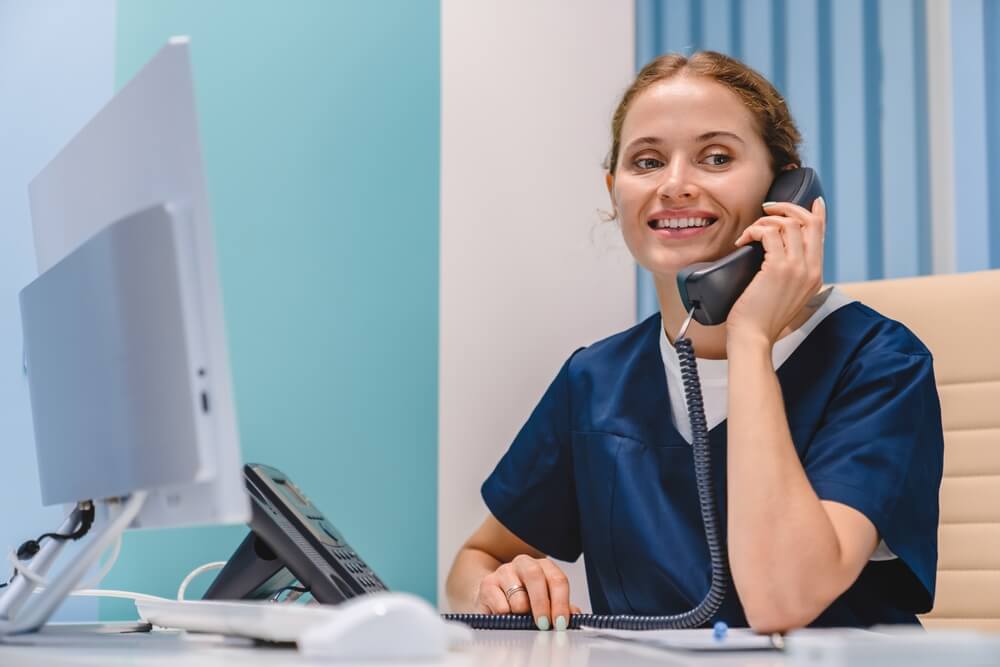
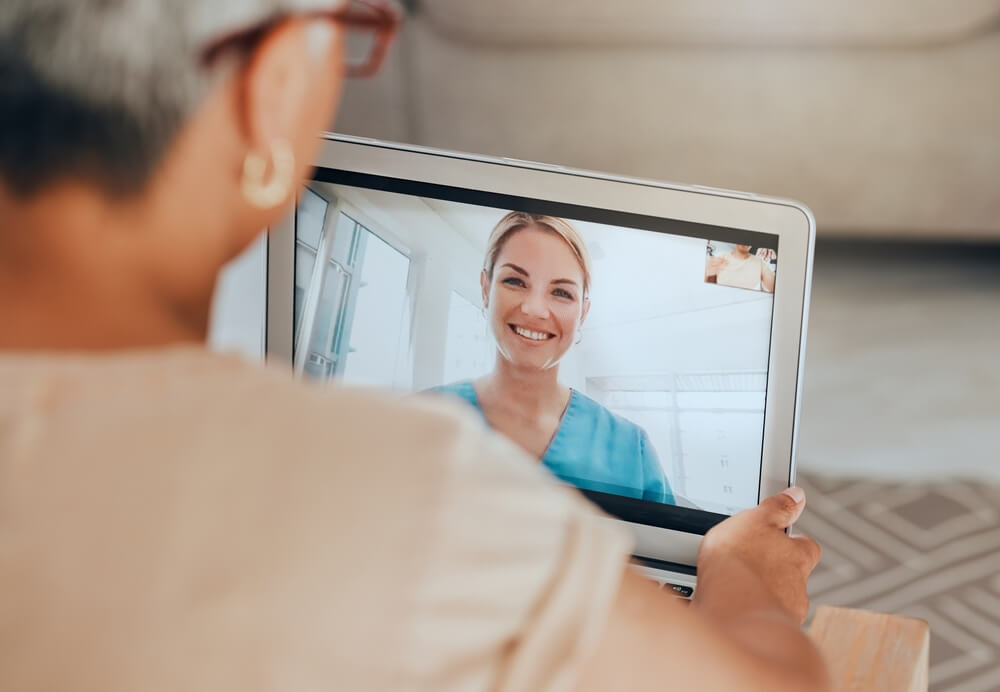
Physician Assistant attending a call

A physician assistant (PA) is a licensed medical professional who provides optimal patient care under the supervision of a physician. They are trained to do everything a physician does, including diagnosing illnesses, prescribing medicines, developing treatment plans, and even performing procedures. 

The core distinction between a physician and their assistant is the scope of training and education. The former undergoes over 7 years of education and residency for independent practice; meanwhile, PAs are required to complete a 2–to 3-year master’s program along with relevant certifications and job experience. 


What Does a Physician Assistant Do?

A physician assistant has a versatile skillset depending on the clinical setting and number of certifications. By gaining expertise in preventive care, acute care, and chronic disease management, PAs cover a lot of ground in medicine, allowing physicians to focus on more complex cases. 

Responsibilities of a virtual physician assistant typically includes telehealth that is conducting consultations via telecommunication technology such as phone or video calls, reviewing and managing patient histories and documentation, interpreting lab results for diagnosing illnesses, and more. 

Despite being available virtually, Physician virtual assistants are essentially involved in primary patient care and are often in direct correspondence with them. 


Key Duties and Responsibilities of a Physician Assistant 

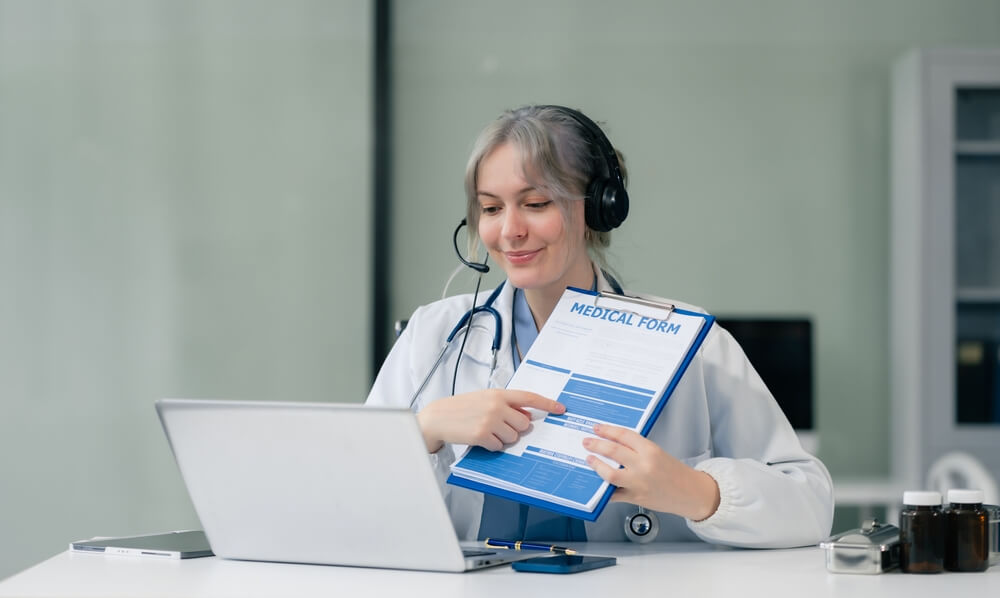
Physician Assistant sitting on a table and typing something on the laptop

The primary job of a physician assistant is to support physicians during day-to-day patient care, improving workflow efficiency in a fast-paced medical environment. From patient evaluation to surgical assistance, physical assistants play a crucial role in ensuring smooth operations across the practice. 

While traditional physician assistants are equipped to provide in-person, hands-on clinical care to patients, such as performing physical exams and procedures, virtual PAs utilize telemedicine to support physicians. Their contribution to telehealth remains crucial due to the evolving nature of medicine, involving both clinical and administrative care.

→ Virtual Examinations: Virtual physician assistants are trained to conduct, assess, and document patient assessments via means of telecommunication technology such as audio or video calls. 

→ Diagnosis & Treatment: After a thorough review of the patient’s condition, they help physicians in diagnosing illnesses and subsequently formulating a customized treatment plan for them. 

→ Prescription & Orders: Physician assistants may order diagnostic tests and imaging depending on the patient’s condition and prescribe relevant medications. 

→ Triage and Communication: PAs are responsible for handling correspondence with patients, offering proper guidance for the best possible care. 

→ EHR Management: Working under the guidance of a licensed physician, PAs are tasked to maintain accurate, real-time documentation in Electronic Health Records. 


Essential Skills of a Physician Assistant 

Physician Assistant Prescribing medicines to a patient remotely

Key skills of a virtual physician assistant extend beyond mere clinical training, encompassing technology proficiency, compliance, and data security knowledge. 

A good VPA must have: 

Strong Clinical Judgement

 Virtual physician assistants must rely on patient history, data interpretation, and critical thinking for diagnosis and treatment due to the impediment of physical exams 

Digital Communication Skills

Required for clear and empathetic correspondence with patients. 

Telehealth Proficiency

VPA must be adept in telemedicine platforms and remote monitoring tools for seamless operations. 

Compliance and Data Security

Physician assistants working remotely must be provided additional training for HIPAA compliance to avoid security risks around patient data. 


Where Do Physician Assistants Work?

Physician assistants form the backbone of a healthcare facility, as their skillset is highly versatile and may vary as per the healthcare organization they are working in.

They sometimes work in general telehealth and virtual care platforms to support remote consultations and clinical documentation across digital care systems. However, many physician assistants offer their services to specialty-specific organizations as well. 

Common virtual PA practice areas include: 

General clinics, where they manage routine visits, chronic condition follow-ups, revising medications, and patient communication. 

Specialty clinics, VPAs are categorized based on the provision of coordinated patient care in several specialized care units, such as psychiatric, cosmetic physician assistants, orthopedic physician assistants, and aesthetic physician assistants, among others.

One such type is a dermatology physician assistant, who reviews patient-submitted images to virtually evaluate skin conditions. After reaching a diagnosis, they ensure timely communication with patients to manage treatment follow-ups and coordinate prescriptions.


Benefits of Hiring a Physician Assistant for Your Facility 

Physician Assistant smiling and showing love symbol from his stethoscope

A physician assistant offers incomparable support in a clinical setting, especially considering their versatile skillset and ability to handle the daily grind of patient care. 

Physician assistant duties entail both clinical and administrative tasks that greatly help frontline medical professionals prioritize and focus on more complex procedures. 

Hiring a virtual physician assistant for your healthcare facility promotes productivity and reduces burnout among physicians as the former are able to seamlessly handle documentation, follow-ups, and routine patient care. 

With your physician assistant online working for you, remotely, you will also be saving significant costs typically associated with in-house physician staffing, requiring office space, equipment, and other benefits. 

Remote care by VPAs greatly improves patient experience with wider outreach of healthcare via telehealth.  

Physician Assistant vs Nurse Practitioner 

Physician assistants and nurse practitioners have similar basic duties that include diagnosis, treatment, and prescribing medications to patients. 

The primary differences lie in their training approaches and ability to work independently.

→ Training Models. PAs focus on disease pathology and diagnosis, offering generalized or collaborative care. 

Meanwhile, the training model for nurse practitioners is strongly patient-centered, such as disease prevention and post-operative care. 

→ Practice Authority. The training scope of a nurse practitioner allows them independent practice in many states, while PAs can only work under the supervision of a physician. 

→ Specialty Flexibility. Physician assistants typically train as general practitioners, and thus can switch specialties without further certifications. 

NPs receive population-specific training, such as pediatrics and acute care, and require recertification to change specializations.


Hire The Best Physician Assistant For Your Practice With Health & Virtuals

Hire The Best Physician Assistant For Your Practice With Health & Virtuals

Hiring a Virtual Physician Assistant for your healthcare facility requires more than clinical credentials, especially due to their special circumstances as working remotely. Regardless, as a trusted staffing agency, Health & Virtuals supports medical practices by connecting organizations with experienced physician assistants and other talented and trained personnel around the globe.

We bring together a clique of highly-trained physician assistants, who are not only fully licensed but also equipped with the skills required to function in remote settings. They are HIPAA-compliant and ready to integrate into your existing workflows. 

Why Hire With Health & Virtuals?

  • Access to pre-screened, qualified healthcare professionals ready to work from day one…
  • Expertise across clinical, administrative, billing, and support roles.
  • Faster hiring with reduced time-to-fill critical positions.
  • Strict credentialing, compliance, and background verification for every candidate.
  • Flexible hiring options: temporary, permanent, remote, and contract staffing.
  • Cost-effective staffing solutions that reduce recruitment and overhead costs.
  • Deep understanding of US healthcare regulations, workflows, and standards.
  • High retention focus through role-fit matching and ongoing support.
  • Dedicated account management for personalized hiring solutions.
  • Proven track record of helping healthcare organizations scale safely and efficiently.

Connect with us to access top-tier virtual PA talent and build a more efficient healthcare model.


FAQs

What is a physician assistant?

A physician assistant is a highly trained professional who practices medicine under the supervision of a physician. 

Is a physician assistant a doctor?

While a physician assistant is trained to diagnose and treat patients, they are not a doctor and can only work in collaboration with licensed physicians. 

Can a physician assistant prescribe medication?

Yes, depending on state regulations, physician assistants can prescribe medications under physician supervision. 

What is the difference between a physician assistant and a nurse practitioner?

Differences between a physician assistant and a nurse practitioner lie in their training models and ability to work independently. 

How quickly can a PA be placed through a staffing agency?

Placement timelines via physician assistant staffing agencies vary and largely depend on availability and licensure.