
15Feb

Family Nurse Practitioner Explained | Everything You Should Know

The American healthcare system is undergoing a paradigm shift as the patient population is becoming more and more demanding, and the primary care doctor shortage is rising. FNPs have become significant frontline health practitioners in this dynamic world of healthcare. Currently, over 431,000 nurse practitioners are licensed in the United States, and the majority of them are family practice trained. The profession is one of the fastest-growing in the medical sector. 

FNPs can also diagnose and treat illness, prescribe medication, and manage the care of all patients of all ages. This is the reason why they are critical to the growth of access to both preventive and chronic care. 

Due to the high demand for the family nurse practitioner workforce, the field is set to remain high in the next decade. It will assist in locating solutions to the existing impending shortage of primary care and also enhance the health outcomes of the communities, urban or rural, with or without underserved populations. 


What is a Family Nurse Practitioner (FNP)?

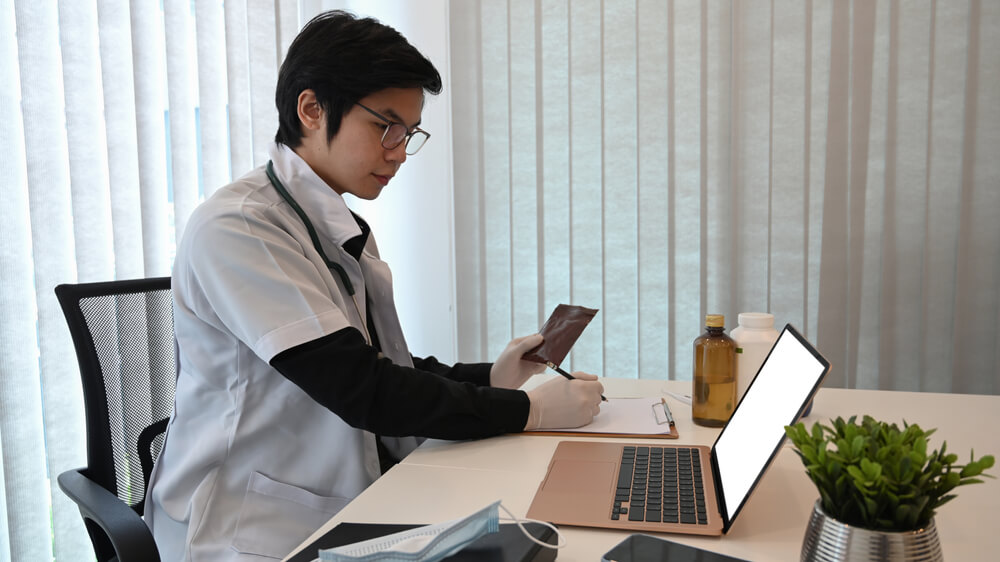
Certified family nurse practitioner examining a patient during a routine checkup

An advanced practice registered nurse (APRN) is a Family Nurse Practitioner. The FNP certificate qualifies one to diagnose, treat, and manage acute and chronic health issues in all patients. 

A certified family nurse practitioner is a combination of clinical expertise and patient centered approach. Concentrating on prevention, health, and wellness.

FNPs have advanced clinical training in the family medicine nurse practitioner practice and a master’s or doctorate degree, unlike registered nurses.


The Role of a Family Nurse Practitioner

The question that many people are asking is what is the role of a family nurse practitioner? FNPs provide both. Primary and preventive care services. In many cases, they become the primary healthcare giver to the patient.

Key Responsibilities include:

  • Building patient-centred care strategies.
  • Organizing the work with specialists.
  • Observing the treatment results.
  • Encouraging preventive medical policies.
  • Helping underserved and rural communities.

How to Become a Family Nurse Practitioner?

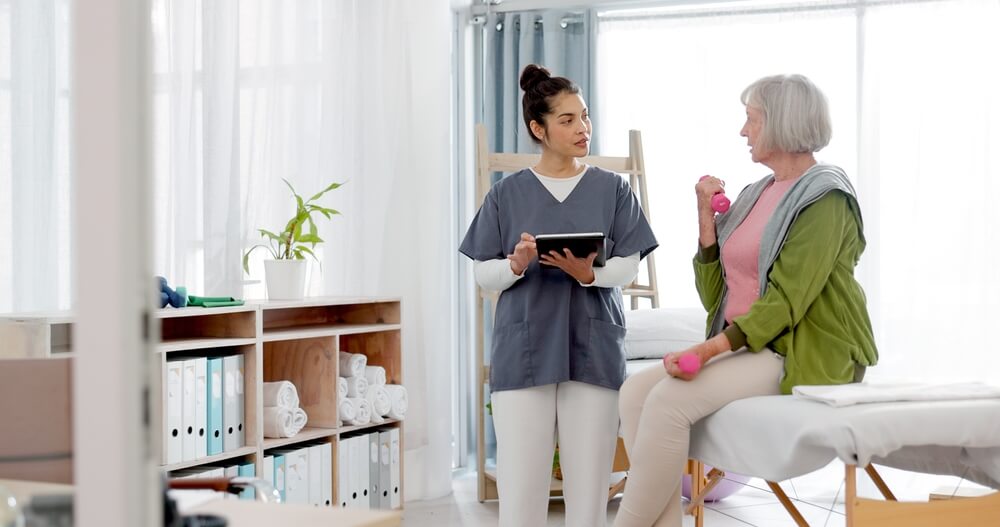
Certified family nurse practitioner at workIf you’re wondering how to become a family nurse practitioner, the process involves advanced education and certification.

Steps to Becoming an FNP

  1. Earn a Bachelor of Science in Nursing (BSN).
  2. Obtain RN licensure.
  3. Complete a Master’s or Doctoral program in family practice nurse practitioner (FNP medical program).
  4. Pass national FNP certification exams.
  5. Obtain state licensure as an APRN.

Some professionals choose a family nurse practitioner online program to balance education with clinical practice.


Roles and Responsibilities of a Family Nurse Practitioner

The role of an FNP extends beyond direct patient care. They are integral members of interdisciplinary healthcare teams and often take leadership roles.

Family Nurse Practitioner Duties

Family nurse practitioner’s responsibilities include:

→ Complete physical tests and health check-ups. Conduct comprehensive assessments, check medical history, examine symptoms, and determine health risks in all age groups.

→ Determine and treat both acute and chronic diseases. Treat acute illnesses like infections and injuries, and help manage chronic illnesses like diabetes, high blood pressure, asthma, and heart disease.

→ Order and interpolate diagnostic tests. Order lab tests, imaging examinations, and screening, and interpret findings to aid in proper diagnosis and effective treatment decisions.

→ Order drugs and treatment regimens. Create a personalized care plan and prescribe drugs in compliance with the state practice requirements.

→ Give preventive treatment and health education. Provide immunizations, routine screenings, lifestyle modification, disease prevention, and wellness education to patients.

→ Treat chronic health conditions. Follow-up chronic diseases, change treatment approaches, and train patients to limit complications and enhance the quality of life.

→ Provide continuity of lifelong care. Deliver patient-centered care and long-term provider-patient relationships through consistent attention to patients.


Essential Skills of a Successful Family Nurse Practitioner

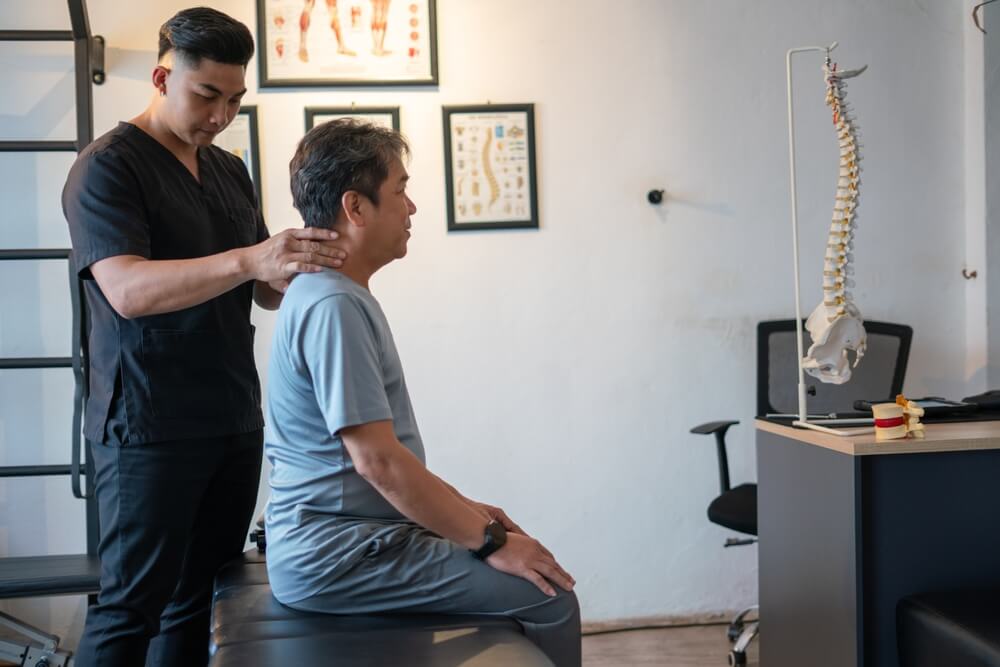
Family nurse practitioner showing empathy while discussing treatment options

An effective Family Nurse Practitioner (FNP) should be skilled in both their clinical and interpersonal abilities as well as their professional competencies. Even though education and certification constitute the medical background, some abilities make outstanding FNPs unique and allow them to provide high-quality patient-centered care.

1. Clinical Expertise and Critical Thinking

FNPs should have a high level of clinical knowledge to assess the symptoms, interpret diagnostic tests, and draw the correct conclusions. Critical thinking enables them to distinguish between similar conditions, giving priority to care, and acting appropriately in complicated or emergency cases.

2. Superior Communication Skills

Effective communication is the key to achieving trust with the families and patients. 

FNPs interpret diagnoses, treatment, and preventive measures in a manner that is comprehensible to patients. They also liaise with doctors, specialists, and other medical practitioners to guarantee smooth care.

3. Patient-Centered Care and Empathy

The empathy will help FNPs to comprehend the emotional, social, and cultural requirements of patients. They demonstrate compassion and respect. It enhances good relationships with the patient, helps in adherence to treatment plans, and enhances patient satisfaction.

4. Time and Organization Management

The necessity to handle various patients, appointments, and administration involves effective time management. Effective FNPs plan their practices, give priorities to tasks, and make sure that no patient care aspects are left unattended.

5. Flexibility and Innovation

The healthcare setting is dynamic, and patient needs and unpredictable challenges change very fast. FNPs have to react quickly, be creative, and come up with feasible solutions to deliver effective and safe care.

6. Leadership and Teamwork

FNPs tend to be the leaders of multidisciplinary teams, directing the treatment plans and liaising with other medical workers. A good performance of the team and strong leadership skills enable them to act as a patient advocate and maximize the overall performance of the practice.

7. Lifelong Learning

Medical knowledge and technology keep changing. Effective FNPs embrace lifelong learning, keeping themselves abreast with the current evidence-based practice, treatment regimens, and healthcare trends.


FNP vs Registered Nurse (RN) vs Doctor: Key Differences

Understanding how FNPs differ from other providers helps clarify their value in healthcare settings.

Role Education Scope of Practice
Registered Nurse (RN) BSN or ADN Patient care and support
Family Nurse Practitioner (FNP) MSN or DNP Diagnosis, treatment, and prescribing
Physician (MD/DO) Medical degree + residency Full medical scope

While FNPs are not doctors, they often perform similar primary care functions, especially in family practice settings.


Where Do Family Nurse Practitioners Work?

FNPs practice in a wide range of healthcare environments.

Common Work Settings include:

  • Family medicine and primary care clinics
  • Hospitals and outpatient centers
  • Urgent care facilities
  • Community health centers
  • Telehealth and virtual care platforms

Why the Demand for Family Nurse Practitioners Is Growing?

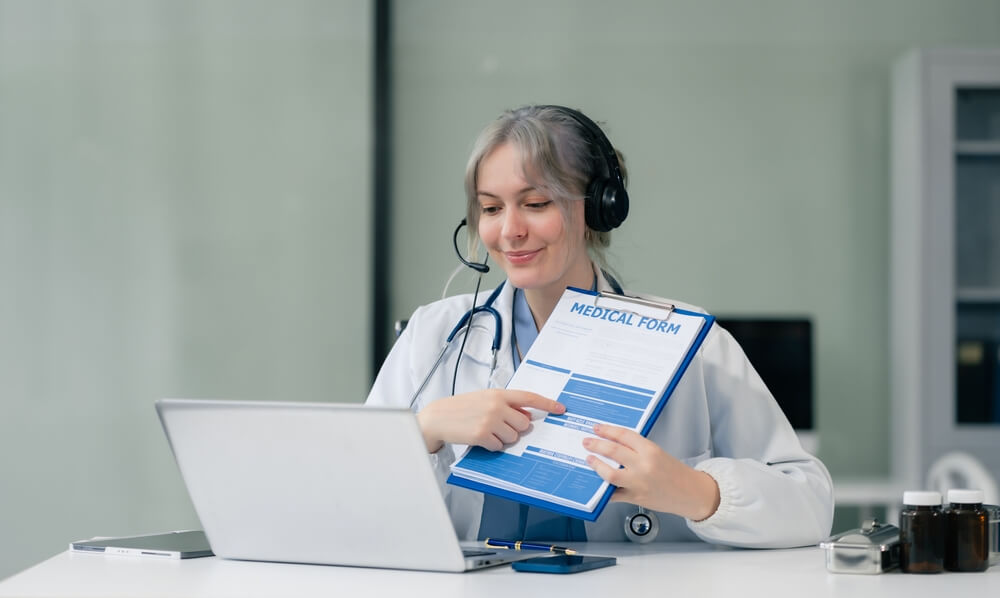
Family nurse practitioner conducting a physical exam and health assessmentIn the United States and the world in general, the demand for Family Nurse Practitioners (FNPs) is increasing at a high pace. 

There are multiple reasons behind this increase, and FNPs are one of the rapidly expanding fields in the medical industry.

→ Physician Shortages in Primary Care

There is a shortage of primary care physicians in many regions. Particularly in rural and underserved regions. Family nurse practitioner online or onsite can bridge this gap by offering high-quality primary care, preventive services, and chronic disease management to patients so that they can access timely medical services.

→ Care of Aging Population

Millions of elderly people in the United States are in need of permanent care due to chronic illnesses like diabetes, hypertension, and heart disease. FNPs are best placed to take care of the long-term health, preventive screenings, and populations of all ages.

→ Increasing Access to Healthcare

The healthcare reform and the insurance coverage have opened up medical care to millions of individuals. As the number of patients requesting services increases, FNPs can contribute to the increased demand for primary care and decreased physician and hospital overload.

→ Cost-Effective Care

FNPs are affordable to employ in healthcare organizations. They provide similar services as primary care physicians in most cases at lower costs of operation, hence are a good asset to the hospital, clinic, and individual practice.

→ Emerging Preventive and Chronic Care Emphasis

Preventive care and management of chronic diseases are increasingly becoming a priority. FNPs are also trained to give preventive screenings, educate patients, and manage chronic diseases to reduce hospitalization and enhance the overall health of the population.

→ Remote Care and Telehealth Development

Telehealth growth has offered more possibilities for remote care by FNPs online. This has increased access to rural or underserved patients, which has further increased the demand for skilled nurse practitioners.


Benefits of Hiring a Family Nurse Practitioner for Your Practice

Hiring a family nurse practitioner online or online strengthens healthcare practices by improving patient access and operational efficiency.

Benefits Include:

  • Reduced patient wait times.
  • Lower staffing costs compared to physicians.
  • Improved patient satisfaction.
  • Expanded service capacity.
  • Support for preventive and chronic care management.

Hire the Best Family Nurse Practitioner for Your Practice with Health & Virtuals!

Hire The Best Physician Assistant For Your Practice With Health & virtuals

At Health & Virtuals, we specialize in connecting healthcare organizations with highly trained, certified virtual Family Nurse Practitioners (FNPs) who provide remote support to strengthen your practice. 

Our FNPs are experienced in family medicine, primary care, preventive care, and chronic disease management, ensuring your patients receive top-quality care from anywhere.

By hiring our virtual family nurse practitioner staff, your practice can:

→ Expand patient access without geographic limitations.

→ Reduce operational costs while maintaining high-quality care.

→ Benefit from certified FNPs trained in evidence-based care and telehealth best practices.

→ Scale your healthcare team quickly and efficiently to meet growing demand.

Our FNPs are carefully vetted, credentialed, and trained to provide comprehensive virtual services that mirror the excellence of onsite care. 

With Health & Virtuals, you get skilled, reliable, and dedicated family nurse practitioners ready to enhance patient outcomes and support your practice’s growth… without the overhead of in-office staff.

Partner with Health & Virtuals today. Get a customized quote, according to your practice’s needs… and bring the expertise of top virtual family nurse practitioners to your practice.


FAQs

Is a Family Nurse Practitioner the same as a doctor?

No. FNPs are advanced practice nurses. They are not physicians. Yes, but they can provide many primary care services. Similar to those of doctors.

Can a Family Nurse Practitioner prescribe medication?

Yes. Most states allow FNPs to prescribe medications. Including controlled substances, depending on state regulations.

What is the difference between an FNP and an RN?

An RN provides direct patient care. But an FNP can diagnose illnesses, prescribe treatments, and manage patient care independently.

Are there different specialties of family nurse practitioners?

Yes. While FNPs focus on family care, some pursue additional certifications in areas such as emergency care, geriatrics, or telehealth.

 

10Feb

What Is a Psychiatric Mental Health Nurse Practitioner (PMHNP)?

The number of cases with mental health conditions in the world is increasing, which contributes to the high need for qualified mental health professionals. The World Health Organization (WHO) demonstrates that approximately 1 in 8 people in the world live with a mental condition, and, therefore, mental healthcare is one of the most developing areas of healthcare services. 

It is due to this growing demand that has also seen the spread of more advanced practice jobs, one of which is Psychiatric Mental Health Nurse Practitioners (PMHNPs).

Psychiatric mental health nurse practitioners play a crucial role in the diagnosis, treatment, and management of mental conditions, as well as increasing access to care for patients. They are practical elements of healthcare personnel within the contemporary environment since they will be able to provide both therapeutic and medication services.


What Is a Psychiatric Mental Health Nurse Practitioner (PMHNP)? 

Psychiatric Mental Health Nurse Practitioner following up with a patient

A Psychiatric Mental Health Nurse Practitioner (PMHNP) is an advanced practice registered nurse (APRN) who can be able to offer mental health assessment, diagnosis, and treatment services to a patient across their lifetime. They provide comprehensive psychiatric services that include therapy, medication management, and educational delivery to the patients.

According to the American Psychiatric Nurses Association (APNA), psychiatric-mental health nurse practitioners are ready to examine, decide, and treat mental disorders in compliance alone or with psychiatrists and other healthcare practitioners. 

The PMHNPs deal with a very wide range of illnesses that include:

  • Anxiety disorders
  • Depression
  • Bipolar disorder
  • Post-traumatic stress disorder (PTSD)
  • Substance use disorders
  • Schizophrenia

They provide patient-centered care that integrates both physical and mental health treatment.


How to Become a Mental Health Nurse Practitioner?

Psychiatric Mental Health Nurse Practitioner going back from institute after attending classes

To be a psychiatric-mental health nurse practitioner, one has to have advanced education, clinical training, and certification. It usually consists of several standard steps:

→ Earn a Registered Nursing Degree

The registered nurses have to first complete a Bachelor of Science in Nursing (BSN) and pass the NCLEX- RN exam to qualify as licensed registered nurses.

→ Clinical Nursing Experience

Numerous graduate programs suggest or demand one or two years of clinical nursing experience, especially in a psychiatric or behavioral healthcare environment.

→ Complete a Graduate Program in Nursing

Prospective mental health nurse practitioners online or onsite are required to pursue a Master of Science in Nursing (MSN) or a Doctorate of Nursing Practice (DNP) program, to which they have to add a psychiatric mental health specialty.


What Does a Psychiatric Mental Health Nurse Practitioner Do?

a patient showing a smile emoji and

PMHNPs, together with the physicians, social workers, therapists, and families, create individualized treatment plans. The point of prevention and early intervention is also addressed by PMHNPs and comes under the mental health nurse’s duties to assist patients in dealing with the symptoms before the conditions deteriorate.

Key responsibilities include:

→ Assessment & Diagnosis: Conduct comprehensive evaluations of patients’ mental health, including psychiatric histories and physical health considerations.
Treatment Planning: Collaborate with multidisciplinary teams to create individualized care plans tailored to each patient’s needs.

Therapeutic Support: Provide counseling and psychotherapy to help patients cope with anxiety, depression, trauma, and other mental health challenges.

Medication Management: Prescribe and monitor psychiatric medications, adjusting treatments as necessary to ensure effectiveness and safety.

Crisis Intervention: Respond to acute mental health crises, providing stabilization and support during high-risk situations.

Education & Prevention: Teach patients and families about mental health, coping strategies, and early warning signs to prevent condition deterioration.

Follow-Up & Monitoring: Track patient progress over time, modifying treatment approaches based on outcomes and feedback.


Key Duties and Responsibilities of a PMHNP

The functions of mental health nurse practitioners online encompass a number of basic tasks that involve:

  • A nurse practitioner’s mental health also carries out psychiatric evaluation, review of the medical history, and diagnosis of mental conditions with diagnostic tools and interview the patients.
  • They prescribe and administer psychiatric medication and adjust the treatment solutions depending on the progress and side effects of the patient.
  • The counseling therapies provided by PMHNPs are cognitive behavioral therapy (CBT), supportive counseling, and behavioral therapy.
  • They address cases of mental health crises, including suicidal ideation, severe anxiety attacks, or psychosis.
  • The nurse practitioner mental health educates patients and their families about coping strategies, lifestyle changes, and the available treatments that they can have to improve their mental health outcomes.

Virtual PMHNPs vs In-House PMHNPS

Feature Virtual PMHNPs In-House PMHNPs
Consultation Method Provide remote consultations and therapy sessions Provide direct, face-to-face patient interactions
Cost Efficiency Reduce operational and staffing costs Typically involves higher operational and facility costs
Scheduling Flexibility Offer flexible scheduling and expanded patient reach Usually follow fixed clinical schedules
Accessibility Help rural and underserved populations access mental healthcare Primarily serve patients visiting the healthcare facility
Team Collaboration Collaborate virtually with healthcare teams Improve coordination with on-site healthcare staff
Emergency Support Limited ability to handle immediate physical crisis situations Offer immediate support for crisis or emergency cases
Scalability Easily scalable for growing patient demands Scalability depends on physical infrastructure and staffing


Essential Skills of a Psychiatric Mental Health Nurse Practitioner

Psychiatric Mental Health Nurse Practitioner smiling and following up with a patient

To work successfully in this job, psychiatric and mental health nurse practitioners need to be able to integrate both clinical and interpersonal skills.

Clinical and Diagnostic Skills

PMHNPs are required to effectively assess the manifestations, diagnose mental health problems, and develop evidence-based treatment programs.

Communication Skills

Effective communication can help PMHNPs build trust, understand patient problems, and work with multidisciplinary health care teams.

Emotional Intelligence

Without empathy, it is difficult to cope with mental health patients, as it requires patience and the ability to react to the emotionally charged scenario.

Destiny and Logical Thinking

Psychiatric and mental health nurse practitioners are expected to be able to assess the conditions of patients and adjust the treatment in a limited amount of time to ensure quality outcomes.


Where Do Psychiatric Mental Health Nurse Practitioners Work?

Psychiatric Mental Health Nurse Practitioner standing and smiling

The practice of nurse practitioners for mental health occurs within various medical environments, and they treat various patients.

The conditions common at the workplace include:

  • Psychiatric hospitals and facilities.
  • Outpatient mental clinics.
  • Healthcare facilities (community-based).
  • Rehabilitation centers.
  • Virtual mental health and tele-mental health programs.
  • Psychiatrists in private practice.

Telehealth has made a significant contribution to mental health. A report by the National Institute of Mental Health (NIMH) suggests that there is a growing tendency towards telehealth applications in an effort to address the problem of provider shortage and increase accessibility.


Benefits of Hiring a Psychiatric Mental Health Nurse Practitioner  

Psychiatric Mental Health Nurse Practitioner working remotely on her laptop

Recruitment of Psychiatric Mental Health Nurse Practitioners (PMHNP) can be of great benefit to the healthcare practices, clinics, and patients. 

These professionals bring together high-level nursing knowledge and mental health specialization, and it is a very valuable contribution to any mental health team. 

Key benefits include:

1. Increased Access to Care

PMHNPs are able to deliver mental care in underserved psychiatric areas to serve additional patients with adequate care in good time.

2. Complete Care

They are able to provide psychotherapy and medication treatment, which is holistic to mental health treatment.

3. Early Intervention & Prevention

PMHNPs are concerned with identifying and managing symptoms at an early age, minimizing the chances of a condition progressing.

4. Collaborative Approach

They act in collaboration with physicians, therapists, social workers, and families, which makes their care coordinated and individual.

5. Patient Education & Support

PMHNPs provide patients and families with information, coping mechanisms, and long-term resources to support mental well-being.

6. Cost-Saving Solution

Hiring a virtual PMHNP will help to save healthcare expenses by preventing hospitalization, enhancing compliance with treatment, and improving patient satisfaction.

7. Flexibility and Adaptation

PMHNPs are able to practice in hospitals, outpatient clinics, schools, telehealth systems, and community mental health centers.

Involving PMHNPs in your practice or care team not only increases patient outcomes but also improves the overall effectiveness and accessibility of mental health services.


PMHNPs vs Psychiatrists: Understanding the Difference!

Although psychiatric NPs and psychiatrists both treat mental health conditions, their education and roles differ.


Feature PMHNP Psychiatrist
Education Advanced nursing degree (MSN or DNP) Medical degree (MD or DO)
Training Focus Nursing-based patient care Medical and pharmacological training
Treatment Methods Therapy, medication management, and patient education Diagnosis, medication, and advanced psychiatric treatments
Cost Typically, lower service cost Usually higher treatment cost

Both professionals collaborate to provide comprehensive mental healthcare.


Hire Virtual PMHNPs with Health & Virtuals to Build a Scalable Mental Health Team!

dinar sajan following up with Psychiatric Mental Health Nurse Practitioner physically

It is imperative that healthcare organizations construct a credible mental healthcare team in an effort to supply increasing patient demand. 

Health & Virtuals can assist practices that want to hire skilled virtual PMHNPs. Our trained and professional remote psychiatric mental health nurse can provide reliable services to your patients, enhance the quality of operation, and expand your mental health services on a broader scale.

Through the employment of online NP psychiatry, health providers will gain more coverage of their patients, lessen staffing issues, and provide high standards of psychiatric care at a cost-effective solution! 


Why Choose Health & Virtuals?

  • Access Top Talent Nationwide. Connect with highly qualified, licensed PMHNPs without geographical limitations.
  • Scalable Staffing Solutions. Easily expand or adjust your mental health team based on patient demand and workload.
  • Cost-Effective Hiring. Reduce overhead costs associated with full-time, in-office staff while maintaining high-quality care.
  • Flexible Engagement Models. Hire virtual PMHNPs on full-time, part-time, or project-based arrangements.
  • Fast Onboarding & Placement. Our streamlined process quickly matches your organization with the right professionals.
  • Quality Assurance. All PMHNPs are thoroughly vetted, licensed, and experienced in telehealth and virtual care.
  • Enhanced Patient Access. Extend mental health services to underserved areas and remote patients through telehealth.
  • Support for Multidisciplinary Teams. Our virtual PMHNPs integrate seamlessly with existing clinicians, therapists, and care staff.

Share your requirements and get your customized quote. Hire Today with Health & Virtuals!


FAQs

Can a psychiatric nurse practitioner PMHNP prescribe medication?

Yes, in most states, PMHNPs can prescribe psychiatric drugs; however, the range of practice differs according to the state regulations.

Is a mental health nurse practitioner a psychiatrist?

No, PMHNPs are advanced practice nurses, whereas psychiatrists are medical doctors who are specialists in the area of psychiatry.

Are PMHNPs in high demand?

Yes. The rising mental health crisis and clinician shortages have put a lot of strain on the demand for psychiatric mental health NPs within the healthcare facilities.

How quickly can practices hire a PMHNP through Health & Virtuals?

Recruiting time timelines fluctuate based on the staffing needs, yet the healthcare staffing websites frequently enable organizations to find qualified PMHNPs within a shorter time compared with the conventional recruitment techniques.


05Feb

What Does a Chiropractic Assistant Do? Skills, Duties, and Benefits

Managing a busy chiropractic clinic can quickly become overwhelming, especially when your administrative tasks start pulling attention away from patient care. From appointment scheduling to patient intake and insurance coordination, the role of a chiropractic assistant is critical to daily operations. 

Health & Virtuals bridges this gap! How?  By providing trained, pre-vetted remote certified chiropractic assistants to U.S. healthcare practices. We offer dependable support at affordable rates without compromising quality.


What is a Chiropractic Assistant?

A Chiropractic Assistant (CA) is a significant part of a chiropractic practice that contributes to clinical and administrative processes. Chiropractic assistants assist in the smooth daily operations by attending to the patients and arranging the schedules, records, and supporting the chiropractors with non-medical activities. 

Chiropractors are in a position to concentrate on patient care with an organized, efficient practice environment due to their role as chiropractic office assistants.

The common duties of a chiropractic assistant are:

  • Receiving and attending to patients.
  • Dewing schedules and calendar management.
  • Dealing with phone calls and patient inquiries.
  • Keeping the patient records and documentation.
  • Helping with payment, insurance checks, and billing.
  • Compliance and supporting office functions.

What is a Chiropractic Virtual Assistant?

 Chiropractic Assistant doing remote work and writing something on a paper from laptop

With the changing nature of chiropractic practices, most clinics of professional chiropractors are resorting to the use of Chiropractic Virtual Assistants (CVAs), who are remote practitioners but carry out the same basic administrative tasks without the need to be in the clinic. 

Virtual assistants act as effective and compliant users of secure digital tools and practice management systems to assist chiropractic offices.


At Health and Virtuals, we offer trained and pre-vetted chiropractic virtual assistants who have been trained on U.S. healthcare processes and HIPAA compliance. Your virtual assistants become part of your practice and provide reliable services at a 60-80% less cost than hiring employees in-house.


What Does a Chiropractic Assistant Do? 

A Chiropractic Assistant (CA) is a trained professional. They can be of significant help in making your chiropractic practice run smoothly. 

They assist chiropractors in their daily administrative and patient-facing activities, facilitate effective operations, and make patients experience a pleasant environment. Though they do not perform clinical procedures, they play a critical role in the success of the practice.

A chiropractic office assistant will normally do these tasks for you:

→ Managing check-in and check-out of patients, welcoming patients, and running their schedules accordingly.

→ Scheduling and calendar management of appointments as a virtual scheduler.

→ Responding to phone calls, emails, and patient queries.

→  Intake forms and documentation of patients.

→ Basic billing and insurance checking.

→ Electronic health records (EHRs) maintenance.

→ Receiving of payments and invoice processing.

→ Arranging follow-ups and appointment reminders.

→ Ensuring HIPAA and office compliance.


Key Duties and Responsibilities of a Chiropractor Assistant

A chiropractic assistant supports the chiropractor in making sure efficient, patient-centered care is being delivered. 

Their responsibilities are usually a mix and match of front-office, back-office, and clinical support tasks. 

→ Patient Communication and Scheduling. One of the primary duties of a chiropractic assistant includes managing appointment scheduling and confirming visits via seamless patient coordination. 

Moreover, they are also responsible for collecting patient intake forms, medical histories, and insurance details. Once the treatment is over, a chiropractic assistant must remain in contact with the patient for appointment reminders and post-treatment follow-ups. 

→ Patient Education. Chiropractor assistants also guide patients on post-treatment care, briefing them on exercises, lifestyle suggestions, and clinic policies for future visits. 

→ Documentation and Records. A certified chiropractic assistant is trained to maintain accurate patient records on Electronic Health Records (EHR), document their visits, and make sure the documents are compliant. 

→ Billing and Insurance Coordination. Many chiropractic assistants are well-versed in finance-related tasks at a medical practice. These include verifying patients’ eligibility for insurance, submitting subsequent claims, managing co-payments, and following up on outstanding balances. 


Essential Skills of a Chiropractor Assistant 

 Chiropractic Assistant following up with an old woman

You may need more than just technical skills to succeed as a successful chiropractor virtual assistant at a healthcare practice. Interpersonal and organizational skills are just as important as clinical expertise for a chiropractic technician since much of the role depends on communication and adaptability. 

A chiropractic assistant job description mentions these essential skills that a trained CA must have. 

1. Basic Clinical Knowledge

The training program for a chiropractic assistant does not contain a full-fledged medical education; however, they must be familiar with basic chiropractic procedures, anatomy, and therapeutic modalities in order to support treatment workflows. 

2. Communication Skills

Chiropractor assistants are in consistent coordination with patients throughout their care journey; thus, clarity, empathy, and professionalism become a prerequisite in their job description. 

3. Organizational Abilities

Precise attention to detail and time management is required for a chiropractic assistant to effectively manage schedules, records, and billing tasks for a chiropractor’s practice. 

4. Technology Proficiency

A chiropractor virtual assistant must accustom themselves with several telehealth platforms, including an EHR system, to comfortably navigate digital tools. 

5. Compliance Awareness

Understanding and complying with HIPAA regulations is critical and required for ensuring patient privacy for remote chiropractor assistants. 


Chiropractor Medical Assistant: Where Do They Work?

Their place of work largely depends on the chiropractic assistant’s job duties. While they primarily work in private clinics run by chiropractors, their employment depends on the practice model, including independent chiropractic offices, sports rehabilitation centers, wellness and pain management clinics, and multi-disciplinary healthcare clinics.

Virtual chiropractor assistants may also support telehealth-enabled chiropractic practices in the wake of the rise of remote healthcare operations. Working from off-site locations, these roles adequately manage administrative tasks, patient communication, and documentation. 


Benefits of Hiring a Chiropractor Assistant 

 Chiropractic Assistant checking a patient and aligning his posture

Hiring a virtual chiropractic assistant offers several benefits for both employers and patients. Their presence points to a smooth workflow of a clinic and subsequent improved care delivery. Thus, chiropractors are able to focus more on hands-on patient treatment and clinical decision-making by delegating administrative tasks to the assistants. This results in fewer burnouts and improved productivity..

The benefits of hiring a chiropractic assistant include:

  • Reduces the chiropractor’s administrative workload.
  • Allows more time to focus on patient care and treatments.
  • Improves appointment scheduling and clinic organization.
  • Enhances patient experience through timely communication.
  • Ensures accurate documentation and record management.
  • Supports insurance verification and billing processes.
  • Minimizes patient wait times and scheduling errors.
  • Helps maintain HIPAA compliance and office protocols.
  • Increases overall clinic efficiency and productivity.
  • Supports practice growth without overwhelming staff.

Virtual Chiropractor Assistant vs In-House Assistant

A certified chiropractic assistant can serve a professional chiropractor in both in-house and remote settings. 

There are distinct advantages associated with both virtual and in-house chiropractic assistants, and the preference primarily depends on a healthcare practice’s operational needs. 

An in-house chiropractor assistant may be more useful in providing hands-on clinical support, such as assisting during procedures, preparing equipment, and directly interacting with patients on-site.

Whereas a virtual chiropractic assistant is more focused on patient intake, scheduling, and documentation. They may also partake in financial responsibilities, depending on their training. They are an ideal option for those practices looking to streamline operations without having to expand physical staff. 

Here is quik comparison of both:

Feature In-House Chiropractic Assistant Chiropractic Virtual Assistant
Work Location On-site at the clinic Remote (off-site)
Hiring Cost Higher (salary, benefits, training) Lower, no benefits or office costs
Training Requires in-house training Pre-trained and pre-vetted
HIPAA Knowledge Varies by hire Trained in U.S. HIPAA standards
Scheduling Support Business hours only Extended or flexible coverage
Administrative Tasks Yes Yes
Patient Communication In-person & phone Phone, email, text, online portals
Scalability Limited by space & budget Easy to scale up or down
Equipment & Workspace Provided by the clinic Not required
Best For Clinics needing physical presence Clinics focused on efficiency & cost savings

Which Option Is Right for Your Practice?

→ Choose an in-house chiropractic assistant if your clinic requires hands-on, physical patient interaction.

→ Choose a chiropractic virtual assistant if your priority is cost control, flexibility, and administrative efficiency…


Who Should Hire a Chiropractor Assistant?

A chiropractic assistant is a necessary resource to chiropractic therapy practices that would like to enhance efficiency and patient satisfaction, as well as the daily practice. The most effective practices enhanced by the hiring of a chiropractic assistant are the following:

  • Individual chiropractors requiring assistance in appointment management, calls, and records.
  • High patient volume and high front-desk workload, chiropractic clinics.
  • Growing practices that are broadening their services or entering new markets.
  • Chiropractic offices in multiple locations that require regular administrative services.
  • Clinics that have staff burnout as a result of high administrative workloads.
  • Patient experience-oriented and office operations practices.
  • Chiropractors; interested in lessening the non-clinical activities and concentrating on treatment.

Chiropractic virtual assistants provide the same administrative knowledge even remotely, which is why it would be a good fit for practices that require flexibility and affordability, and which need professional assistance but are not willing to spend on a full-time and in-house staff.


Hire a Remote Chiropractor Assistant with Health & Virtuals!

 Chiropractic Assistant smiling and showing heart sign with his stethoscope

A qualified chiropractic assistant is not only trained to tackle administrative tasks. They must be trained in the workflow of a healthcare facility, patient communication, and data compliance. 

Hiring a remote chiropractic assistant through Health & virtuals is a smart choice for U.S. chiropractic practices looking to streamline operations and reduce administrative workload. 

Our assistants are pre-trained, pre-vetted, and HIPAA-compliant, ensuring they can seamlessly handle scheduling, patient communication, billing support, and record management. 

By choosing a remote chiropractic assistant, your clinic saves on overhead costs while gaining flexible, reliable, and professional support tailored to your needs. 

With Health & Virtuals, chiropractors can focus on what matters most… providing quality patient care, while our trained virtual professionals can take care of the administrative tasks that keep your practice running smoothly.

→ Partner with us to hire a reliable remote chiropractor assistant and build a more efficient, patient-focused care model. We offer ONE WEEK free trial… Contact Now!


FAQs

Are virtual chiropractor Assistants HIPAA compliant?

Yes, professional virtual chiropractic assistants are trained to follow HIPAA guidelines and handle patient data securely.

What does a chiropractor’s assistant do?

A chiropractic assistant is trained to support daily clinic operations by managing patient intake, scheduling, documentation, and treatment coordination.

Do chiropractor assistants need certification?

Not always. Though formal training or experience in chiropractic or healthcare settings is often preferred.

How does a chiropractor assistant help with billing?

Chiropractor assistants assist with insurance verification, claim submissions, payment collection, and billing follow-ups.

Is hiring a chiropractor assistant cost-effective?

Yes, hiring a virtual chiropractic assistant reduces administrative burden and operational costs while improving efficiency.

29Jan

What is a Physician Assistant (PA)? Skills, Duties & Benefits

The healthcare sector primarily functions on collaboration between multiple roles to provide the best possible care to the patients. While basic medical knowledge is a prerequisite for every job at a practice, much of the clinical staff is formed by assistive personnel. Either licensed or otherwise, alongside secondary healthcare providers. 

Such as the job of Physician Assistants, who are a highly trained coterie of medical professionals working to support physicians with day-to-day tasks in tending to the patients. Their significance in the healthcare setting is underscored by the increasing rate of employment of PAs in the US, which is projected to grow 20% from 2024 to 2034, much faster than the average for all occupations. 


What Is a Physician Assistant (PA)?

Physician Assistant attending a call

A physician assistant (PA) is a licensed medical professional who provides optimal patient care under the supervision of a physician. They are trained to do everything a physician does, including diagnosing illnesses, prescribing medicines, developing treatment plans, and even performing procedures. 

The core distinction between a physician and their assistant is the scope of training and education. The former undergoes over 7 years of education and residency for independent practice; meanwhile, PAs are required to complete a 2–to 3-year master’s program along with relevant certifications and job experience. 


What Does a Physician Assistant Do?

A physician assistant has a versatile skillset depending on the clinical setting and number of certifications. By gaining expertise in preventive care, acute care, and chronic disease management, PAs cover a lot of ground in medicine, allowing physicians to focus on more complex cases. 

Responsibilities of a virtual physician assistant typically includes telehealth that is conducting consultations via telecommunication technology such as phone or video calls, reviewing and managing patient histories and documentation, interpreting lab results for diagnosing illnesses, and more. 

Despite being available virtually, Physician virtual assistants are essentially involved in primary patient care and are often in direct correspondence with them. 


Key Duties and Responsibilities of a Physician Assistant 

Physician Assistant sitting on a table and typing something on the laptop

The primary job of a physician assistant is to support physicians during day-to-day patient care, improving workflow efficiency in a fast-paced medical environment. From patient evaluation to surgical assistance, physical assistants play a crucial role in ensuring smooth operations across the practice. 

While traditional physician assistants are equipped to provide in-person, hands-on clinical care to patients, such as performing physical exams and procedures, virtual PAs utilize telemedicine to support physicians. Their contribution to telehealth remains crucial due to the evolving nature of medicine, involving both clinical and administrative care.

→ Virtual Examinations: Virtual physician assistants are trained to conduct, assess, and document patient assessments via means of telecommunication technology such as audio or video calls. 

→ Diagnosis & Treatment: After a thorough review of the patient’s condition, they help physicians in diagnosing illnesses and subsequently formulating a customized treatment plan for them. 

→ Prescription & Orders: Physician assistants may order diagnostic tests and imaging depending on the patient’s condition and prescribe relevant medications. 

→ Triage and Communication: PAs are responsible for handling correspondence with patients, offering proper guidance for the best possible care. 

→ EHR Management: Working under the guidance of a licensed physician, PAs are tasked to maintain accurate, real-time documentation in Electronic Health Records. 


Essential Skills of a Physician Assistant 

Physician Assistant Prescribing medicines to a patient remotely

Key skills of a virtual physician assistant extend beyond mere clinical training, encompassing technology proficiency, compliance, and data security knowledge. 

A good VPA must have: 

Strong Clinical Judgement

 Virtual physician assistants must rely on patient history, data interpretation, and critical thinking for diagnosis and treatment due to the impediment of physical exams 

Digital Communication Skills

Required for clear and empathetic correspondence with patients. 

Telehealth Proficiency

VPA must be adept in telemedicine platforms and remote monitoring tools for seamless operations. 

Compliance and Data Security

Physician assistants working remotely must be provided additional training for HIPAA compliance to avoid security risks around patient data. 


Where Do Physician Assistants Work?

Physician assistants form the backbone of a healthcare facility, as their skillset is highly versatile and may vary as per the healthcare organization they are working in.

They sometimes work in general telehealth and virtual care platforms to support remote consultations and clinical documentation across digital care systems. However, many physician assistants offer their services to specialty-specific organizations as well. 

Common virtual PA practice areas include: 

General clinics, where they manage routine visits, chronic condition follow-ups, revising medications, and patient communication. 

Specialty clinics, VPAs are categorized based on the provision of coordinated patient care in several specialized care units, such as psychiatric, cosmetic physician assistants, orthopedic physician assistants, and aesthetic physician assistants, among others.

One such type is a dermatology physician assistant, who reviews patient-submitted images to virtually evaluate skin conditions. After reaching a diagnosis, they ensure timely communication with patients to manage treatment follow-ups and coordinate prescriptions.


Benefits of Hiring a Physician Assistant for Your Facility 

Physician Assistant smiling and showing love symbol from his stethoscope

A physician assistant offers incomparable support in a clinical setting, especially considering their versatile skillset and ability to handle the daily grind of patient care. 

Physician assistant duties entail both clinical and administrative tasks that greatly help frontline medical professionals prioritize and focus on more complex procedures. 

Hiring a virtual physician assistant for your healthcare facility promotes productivity and reduces burnout among physicians as the former are able to seamlessly handle documentation, follow-ups, and routine patient care. 

With your physician assistant online working for you, remotely, you will also be saving significant costs typically associated with in-house physician staffing, requiring office space, equipment, and other benefits. 

Remote care by VPAs greatly improves patient experience with wider outreach of healthcare via telehealth.  

Physician Assistant vs Nurse Practitioner 

Physician assistants and nurse practitioners have similar basic duties that include diagnosis, treatment, and prescribing medications to patients. 

The primary differences lie in their training approaches and ability to work independently.

→ Training Models. PAs focus on disease pathology and diagnosis, offering generalized or collaborative care. 

Meanwhile, the training model for nurse practitioners is strongly patient-centered, such as disease prevention and post-operative care. 

→ Practice Authority. The training scope of a nurse practitioner allows them independent practice in many states, while PAs can only work under the supervision of a physician. 

→ Specialty Flexibility. Physician assistants typically train as general practitioners, and thus can switch specialties without further certifications. 

NPs receive population-specific training, such as pediatrics and acute care, and require recertification to change specializations.


Hire The Best Physician Assistant For Your Practice With Health & Virtuals

Hire The Best Physician Assistant For Your Practice With Health & Virtuals

Hiring a Virtual Physician Assistant for your healthcare facility requires more than clinical credentials, especially due to their special circumstances as working remotely. Regardless, as a trusted staffing agency, Health & Virtuals supports medical practices by connecting organizations with experienced physician assistants and other talented and trained personnel around the globe.

We bring together a clique of highly-trained physician assistants, who are not only fully licensed but also equipped with the skills required to function in remote settings. They are HIPAA-compliant and ready to integrate into your existing workflows. 

Why Hire With Health & Virtuals?

  • Access to pre-screened, qualified healthcare professionals ready to work from day one…
  • Expertise across clinical, administrative, billing, and support roles.
  • Faster hiring with reduced time-to-fill critical positions.
  • Strict credentialing, compliance, and background verification for every candidate.
  • Flexible hiring options: temporary, permanent, remote, and contract staffing.
  • Cost-effective staffing solutions that reduce recruitment and overhead costs.
  • Deep understanding of US healthcare regulations, workflows, and standards.
  • High retention focus through role-fit matching and ongoing support.
  • Dedicated account management for personalized hiring solutions.
  • Proven track record of helping healthcare organizations scale safely and efficiently.

Connect with us to access top-tier virtual PA talent and build a more efficient healthcare model.


FAQs

What is a physician assistant?

A physician assistant is a highly trained professional who practices medicine under the supervision of a physician. 

Is a physician assistant a doctor?

While a physician assistant is trained to diagnose and treat patients, they are not a doctor and can only work in collaboration with licensed physicians. 

Can a physician assistant prescribe medication?

Yes, depending on state regulations, physician assistants can prescribe medications under physician supervision. 

What is the difference between a physician assistant and a nurse practitioner?

Differences between a physician assistant and a nurse practitioner lie in their training models and ability to work independently. 

How quickly can a PA be placed through a staffing agency?

Placement timelines via physician assistant staffing agencies vary and largely depend on availability and licensure.

24Jan

What is a Patient Care Technician (PCT)? Skills, Duties & Benefits 

Working in healthcare is a commendable feat in itself. Yet some roles, such as patient care technicians (PCTs), are essential for the day-to-day patient care. As virtual inpatient support, remote healthcare technicians are equipped to deal with the realities of patients that a regular technician might not be aware of, thus underscoring the physical and emotional intensity of their work. 

Nearly 75% of U.S. physicians now use telehealth regularly. It is driving increased demand for remote clinical support roles such as virtual PCTs. As frontline professionals, patient care technicians end up spending more time with the sick than their surgeons, physicians, and even nurses. Therefore, should you decide to hire one, you must ensure they check all the right boxes of reliable patient care. 


What is a Patient Care Technician?

A Virtual Patient Care Technician (PCT) plays a vital role in supporting patient wellbeing through remote, technology-enabled care. PCTs assist with monitoring patient needs, documenting symptoms or concerns, and facilitating communication between patients and clinical teams. They help ensure comfort, safety, and continuity of care by guiding patients through routine checks, reinforcing care plans, and escalating clinical issues to nurses or providers as needed.

Patient care tech responsibilities include maintaining smooth daily operations by managing virtual patient interactions, updating electronic health records, and supporting telehealth workflows that enhance patient experience and clinical efficiency. 

This role requires compassion, strong communication skills, attention to detail, and a commitment to delivering high-quality care within a modern, patient-centered virtual environment.


Types of Patient Care Technician (PCT)

A patient care technician job falls under the umbrella category of a medical/healthcare technician. Their types depend on what a patient care tech actually does. 

Moreover, virtual PCT job duties extend to being hired for remote patient care. 

The common areas where patient care tech duties and responsibilities are valued are: 

→ Remote Hospital Technician: Provides virtual assistance to hospital care teams. By documenting patient data, monitoring vitals remotely, and communicating updates through EHR systems.

→ Remote ICU Support PCT: Supports critical care units. By tracking patient vitals through remote monitoring systems. Promptly alerting clinical teams to abnormal trends.

Remote Emergency Department PCT: Assists emergency departments remotely by managing patient intake documentation, tracking labs and EKGs, and supporting rapid care coordination.

→ Remote Long-Term Care PCT: Monitors residents’ health data, documents daily care activities, and coordinates communication between caregivers and clinical staff.

→ Remote Behavioral Health PCT: Supports mental health teams by documenting patient behavior, assisting with telehealth sessions, and reporting safety or clinical concerns.

→ Virtual Pediatric Patient Care Tech: Provides virtual support for pediatric patients by assisting with symptom tracking, parent communication, and telehealth follow-ups.

→ Remote Radiology Patient Care Tech: Coordinates imaging appointments, manages patient instructions, and ensures accurate documentation before and after diagnostic procedures.

→ Remote In-Home Care Support PCT: Assists home-based patients through virtual check-ins, health monitoring, and ongoing communication with healthcare providers.


What Does a Patient Care Technician Do? Roles and Responsibilities Explained!

A patient care technician encompasses a plethora of responsibilities in a healthcare setting. As the name suggests, they primarily deal with patient care; however, their skills extend from basic daily care to technical care. 

Daily Virtual Patient Support

Provides remote assistance to patients through telehealth platforms. Includes guiding daily care routines, mobility instructions, and basic self-care education.

Remote Monitoring of Vital Signs

Monitors blood pressure, temperature, heart rate, and oxygen levels using remote patient monitoring systems. They also document changes for clinical review.

Digital Sample & Lab Coordination

Coordinates laboratory testing by scheduling sample collections, tracking results, and ensuring accurate documentation rather than performing physical collection.

Clinical Team Support (Remote)

Perhaps the most important responsibility of a patient care tech entails remotely assisting nurses and doctors during procedures and routine tasks. 


Where do Virtual Patient Care Technicians Work?

A patient care technician may work for a hospital, nursing home, assisted living facility, or provide virtual in-home services, depending on their specialty. 

Nevertheless, a patient care technician role is a crucial entity in medicine, without which the healthcare system could not function effectively… 

Essential Skills of a Patient Care Technician

Should a person decide to become a virtual patient care technician, there is a set of technical skills they can acquire via proper training and practice. These include monitoring and recording vitals remotely, guiding and preparing patients for procedures, etc. 

However, there is a completely separate set of skills a PCT must have to actually qualify as one. These are strong communication skills to connect with patients, attention to detail to accurately monitor patients under their care, teamwork as they must work closely with nurses, doctors, and other healthcare staff, and physical stamina to handle long shifts and hands-on patient tasks.  

Essential PCT skills are:

  • Compassionate and attentive in providing remote care.
  • Skilled in digital health tools and patient monitoring.
  • Works effectively with nurses and healthcare professionals online.
  • Clear, respectful, and empathetic interaction across virtual channels.

Qualification requirements usually mention in the  patient care tech job description are: 

  • Bachelor’s degree required.
  • Prior healthcare or hospital experience preferred.
  • Excellent communication, attention to detail, and ability to multitask in a fast-paced remote environment.
  • Reliable internet connection, basic computer proficiency, and familiarity with telehealth platforms and electronic health records (EHR) systems.

Patient Care Technician vs CNA vs MA: What’s the Difference?

A patient care technician is often mistaken for a nurse or a medical assistant due to the apparent overlap of responsibilities among the three. However, PCTs have a broader scope of skills than the other two and require specialized training. 

While a certified nursing assistant (CNA) is usually trained to perform basic patient care, assisting with Activities of Daily Living (ADLs), a patient care technician deals with advanced clinical tasks along with the CNA duties. A medical assistant takes on more of an administrative role in healthcare. 

While Patient Care Technicians (PCTs), Certified Nursing Assistants (CNAs), and Medical Assistants (MAs) all support healthcare teams, their training, responsibilities, and work settings differ significantly

→ Patient Care Technician (Virtual PCT)

  • Combines hands-on clinical knowledge with remote patient monitoring and telehealth support.
  • Tracks vitals, symptoms, and alerts using RPM tools, EHRs, and clinical dashboards.
  • Supports nurses and physicians across multiple departments simultaneously.
  • Plays a critical role in early intervention, care coordination, and continuity of care.
  • Requires stronger clinical judgment, documentation accuracy, and tech proficiency.
  • More scalable, higher-impact role in modern and future-focused healthcare systems.

→ Certified Nursing Assistant (CNA)

  • Focuses primarily on basic, in-person patient care and daily living assistance.
  • Limited clinical scope; does not independently perform technical or monitoring tasks.
  • Works under direct supervision with minimal documentation responsibilities.
  • Primarily facility-based with little involvement in telehealth workflows.
  • The role is essential but restricted to bedside support.

→ Medical Assistant (MA)

  • Balances administrative and basic clinical duties in outpatient settings.
  • Focuses on patient intake, scheduling, billing, and room preparation.
  • Limited involvement in acute care or continuous patient monitoring.
  • Typically supports physicians rather than nursing teams.
  • Less exposure to inpatient or high-acuity clinical environments.

Why the Virtual PCT Role Stands Out!

→ Extends clinical care beyond physical walls. Through technology.

→ Enhances patient safety through real-time monitoring and rapid escalation.

→ Supports multiple care teams, improving efficiency and workload balance.

→ Represents the most adaptable and future-ready role among the three.


Benefits of Hiring a Healthcare Patient Technician for your Practice!

Patient Care Technicians (PCTs) play a critical role in keeping healthcare facilities efficient, compliant, and patient-focused. They handle essential frontline tasks and offer crucial support to clinical teams, allowing licensed professionals to focus on higher-level medical responsibilities. 

Hence, patient care technician staffing has become a necessity in healthcare settings rather than merely a convenience. 

Most prominent benefits your practice enjoys when you hire a virtual patient care technician are:

  • Improves clinical workflow by handling patient monitoring, documentation, and routine care tasks.
  • Enhances patient safety through consistent vital sign tracking and timely reporting.
  • Increases provider efficiency by allowing doctors and nurses to focus on critical care.
  • Improves patient experience with continuous support, education, and reassurance.
  • Offers a cost-effective staffing solution without compromising quality of care.
  • Strengthens care coordination between patients and clinical teams.
  • Supports growing practices with scalable staffing solutions.
  • Adapts seamlessly to telehealth and remote patient monitoring models.

It is also paramount that such an important role is filled through a reliable patient care technician staffing agency to help healthcare facilities stay agile and ensure patient satisfaction. 


Hire the Right Patient Care Technicians for Your Facility with Health & Virtuals!

Whether you need short-term hospital staffing support, long-term placements, or outsourcing, Health & Virtuals offers patient care technician shortage solutions in the midst of nationwide workforce challenges. 

It’s more than just filling vacancies…  the right patient care technician must adapt to a fast-paced clinical environment in order to strengthen workflow.

As a program dedicated to delivering tailored clinical staffing services, we are designed to meet the evolving requirements of healthcare settings. 

Patient care technicians at our disposal are screened for both technical competency and workplace readiness. Health & Virtuals acutely understands industry demands, helping organizations hire patient care technicians who integrate seamlessly into existing teams. Ready to work from day one. 

Why Hire with Health & Virtuals?

At Health & Virtuals, we offer a healthcare workforce solution. With us, you will get:

→ Access to pre-vetted, highly qualified healthcare professionals.

→ Specialized recruitment for virtual Patient Care Technicians.

→ HIPAA-compliant candidates. Trained in EHR systems and clinical workflows.

→ Faster hiring process. Offering reduced administrative burden.

→ Trained on healthcare skills, communication ability, and cultural fit for United States healthcare.

→ Cost-effective staffing solutions without compromising care quality.

→ Flexible hiring models. We support short-term, long-term, and remote needs.

→ Ongoing support. It is to ensure a smooth onboarding and workforce retention. 


Schedule your consultation. Partner with Health & Virtuals to hire a dependable patient care technician and build a stronger, more resilient healthcare team today!


FAQs

What is a patient care tech?

A patient care technician (PCT) is part of the medical team, trained to provide hands-on patient support and assist clinical staff in healthcare settings.

What does a patient care tech do?

A patient care tech helps with basic patient care, performs vital signs, collects samples, and supports nurses.

What is the difference between a patient care tech and cna?

While both provide direct patient care, PCTs receive specialized training to perform technical tasks such as EKGs and phlebotomy.

Can a Patient Care Technician (PCT) become a nurse later?

Yes. PCTs may utilize their hands-on clinical experience as a stepping stone to pursue nursing programs, after gaining valuable skills and exposure that make the transition smoother.

21Jan

What Are Dental Virtual Assistants? Key Roles, Tasks, and Benefits!

Dental practices today are under growing operational pressure. They have to do the balancing of high patient expectations with rising administrative demands, staffing shortages, and increasing overhead costs.

According to the ADA (American Dental Association), administrative and staffing expenses account for nearly 55-65% of a dental practice’s total collections, significantly impacting profitability and efficiency. And at the same time, the dental workforce is experiencing a sustained hiring crisis… Yes. Four out of ten U.S. dental practices are actively trying to hire dental assistants or hygienists in any given month…

One solution gaining rapid traction is the practice of now opting to hire a dental virtual assistant (DVA). Yes, there is no need to rely solely on costly in-house staff anymore! Your dental practice can now engage trained remote professionals to manage both clinical support and administrative responsibilities. 

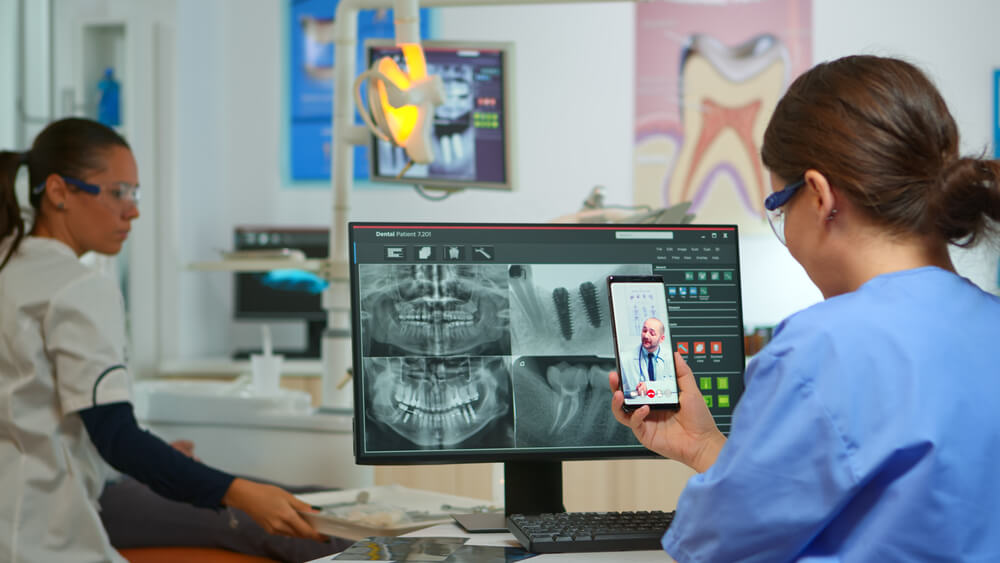
Dental virtual assistant guiding about different parts of periodontium to a patient on remote followup.From insurance verification and billing to appointment scheduling and patient communication, trained virtual assistants for dental offices are helping modern practices reduce overhead. They also help to improve workflow efficiency and help you refocus on what matters most: delivering exceptional patient care!!!


What are Virtual Dental Assistants?

Virtual dental assistants or dental healthcare virtual assistants are remote employees who support dental practices to streamline their administrative, operational, and patient communication processes. These types of positions are integrated into the dental workflows and are trained in the use of secure dental systems and software, and other tools to enhance your support and practice. 

Virtual dental assistants are sometimes referred to as virtual dental office assistants. These types of assistants become extensions of your in-house staff and can enhance productivity and efficiency during periods of staff exclusion, expansion, or overall demand.


Essential Skills of a Virtual Dental Assistantremote dental assistants working remotely with dentist

In order to help dental practices succeed, there are certain skills that remote dental assistants need to have.

1. Understanding of the Dental Industry

If a healthcare virtual assistant wants to work as a virtual assistant foe dental office, they must know the basic terminology, processes, and the day-to-day operations of a dental practice, so that they are able to effectively help staff and patients.

2. Technology Skills

Some of the software and systems that online dental assistants need to know how to use are the dental practice management systems, electronic health records (EHR) software, and dental insurance software.

3. Ability to Communicate Effectively!

A virtual dental assistant can play the role of a remote dental receptionist. In such cases, to help patients with questions they might have, to help staff with scheduling, and to work with the team, they must have good communication skills and be aware of the cultural norms of the country they are playing the online role for.

4. Organizational And Time Management Skills

In a dental practice, there are many activities that need to be done at the same time, and an online dental assistant needs to be able to manage time and schedules effectively.

5. Being Detail-Oriented

Dental VA needs to be able to manage documentation, employee, and patient schedules.

All of these skills help ensure that virtual dental assistants can do their work with a high level of accuracy and with a professional attitude.


Roles and Responsibilities of a Virtual Dental Assistant

A virtual assistant for dental professionals is capable of handling various tasks that include:

→ Scheduling and Coordination of Patients

A dental healthcare virtual assistant organizes and manages appointments and schedules. They are also responsible for reminders and recall notifications to reduce their no-shows and keep calendars efficient.

→ Handling Calls and Front Desk Duties

Most practices utilize a dental virtual receptionist or a virtual receptionist dental office model to handle incoming calls and quickly respond to requests from patients.

→ Verification of Insurance and Eligibility

A dental virtual assistant can be trained to handle tasks related to dental medical billing. Confirm insurance benefits, coverage, and patient eligibility to appointment in order to lessen problems concerning billing.

→ Support in Administration and Billing

To enhance accuracy and assist in maintaining the cash flow of the practice, they help with documentation, coordination of billing, and claims issues.

→ Patient Communication Along with Follow-Up Tasks

Virtual assistants help in providing more professional and consistent engagement with patients from reminders to subsequent communications after a visit.

→ General Office and Back-Office Support

In this capacity, online dental assistants can handle emails, report writing, data entries, and internal communication to ensure proper organization and the smooth running of a practice.


Why Your Practice Needs a Virtual Dental Assistant? 

Virtual Dental Assistant guiding a patient about different parts of periodontium

A VA for dental office tasks gives operational support continuously and at a fraction of the cost of recruiting, onboarding, and retaining full-time, on-site staff.

→ Address Staffing Shortages. Virtual dental assistants offer dependable and consistent support when there’s a shortage of in-house staff and even when there’s a lot of work to be done.

→ Reduce Administrative Burden. Online dental assistants take care of the scheduling, call management, and note-keeping, thus allowing your clinical staff to not be burdened with unproductive tasks that take up a lot of time, so that dentists and hygienists are able to attend to patients more.

→ Improve Operational Efficiency. Remote dental assistants optimize workflow, keeping tasks organized, appointments updated, and communication on track. 

→ Control Overhead Costs. Outsourced staffing with a dental staffing agency removes costs associated with in-office space, equipment, training, and associated employee benefits. Practices receive high-quality support while keeping costs tighter.

→ Support Practice Growth. The quantity virtual assistant for dental offices can easily adjust to patient growth and your practice expansion.  Providing practice growth flexibility without the costs associated with additional internal staff.


Benefits of Hiring Virtual Dental Assistants!

Cost Efficiency

Practices eliminate overhead costs associated with office space, equipment, and benefits.

Operational Flexibility

Virtual support can be adjusted based on patient volume and seasonal demand.

Greater Patient Experience

For dental professionals, a virtual assistant can deliver more effective scheduling, and more timely and faster patient communication.

Constant Front Desk Coverage

A dental virtual receptionist supports interprofessional patient communication, even during peak times and staff shortages.

Collaboration with Dental Industry Experts

Practices gain access to dental virtual assistants who have already been trained and bring experience in various dental administrative roles, reducing the need for training and enhancing efficiency.

→ Additionally, many clinics benefit from a dental virtual receptionist to assist in routing phone calls and scheduling appointments without adding stress to the front desk staff.


What to Expect When Onboarding a Dental Virtual Assistant?

Incorporating a new virtual team member means that practices will have:

  • Immediate administrative relief. Scheduling, billing, insurance verification, and patient communications are handled remotely.
  • Seamless integration with your existing workflows. Requiring little to no change in how your practice currently operates.
  • Reduced staffing costs and overhead. Without the need for office space, benefits, or long hiring processes.
  • Improved efficiency and consistency. Leading to faster task completion and fewer administrative errors.
  • Better patient experience. With timely responses, reminders, and smoother appointment management.
  • Minimal transition time. Followed by long-term operational support and sustained workflow stability…

Choosing the Right Virtual Dental Assistant Through Health & Virtuals

virtual dental assistant wearing headphones on her head and smiling

Health & Virtuals is one of the best dental recruiting companies. We streamline the process of connecting dental practices with appropriate virtual dental assistants. As a dental staffing agency, we focus on assessing candidates based on experience, relevant technology, and communication ability.

Short-term and long-term hiring options are available. Based on your stated requirements, our recruitment team will ensure that your practice receives the best possible dental virtual assistant. 


What Sets Our Dental Virtual Assistants Apart!

✔️ Highly qualified professionals with hands-on experience in dental administrative and clinical support.

✔️ Pre-vetted and carefully assessed for dental expertise, technology proficiency, and communication skills.

✔️ HIPAA-compliant and trained to handle patient data with the highest standards of privacy and security.

✔️ Culturally trained for all states of the United States. It is to align with U.S.-based dental practice workflows and patient expectations.

✔️ Proficient in leading dental software and digital tools used by modern practices.

✔️ Clear, professional communicators who integrate seamlessly with in-house teams.

✔️ Continuously trained to stay current with dental regulations, billing practices, and industry standards.


Why Hire a Dental Virtual Assistant with Health & Virtuals?

→ Up to 70% Cost Savings. Reduce operational expenses without compromising on care.

→ HIPAA-Certified Talent. Every professional meets U.S. healthcare compliance standards.

→ Dedicated Specialty-Focused VA. Specialized and qualified remote staff dedicated to your practice.

→ Get pre-vetted candidates within days.

→ Staffing Expertise. From virtual dental assistants to healthcare VAs and remote administrative executives, we match talent precisely to your needs.

→ Risk-Free Trial. Try our services for one week with no long-term obligation.


Virtual Dental Assistants Are the Future of Dentistry!

As more and more dental practices incorporate online, virtual support, remote assistance will become a necessity in the dental industry.

With dental virtual assistant services, your dental office will be able to retain market competitiveness by employing a properly trained online dental assistant. 


Want to improve the efficiency of your dental practice?

Health & Virtuals can help you find the best virtual dental assistant for your practice. 

Contact Now, Share your requirements… We offer ONE week FREE trial with our candidate!


a hand showing periodontiumFAQs

What does a dental virtual assistant do?

A dental virtual assistant works remotely and specializes in helping dental offices with administration, scheduling, billing, and patient communication.

How does a virtual dental assistant enhance patient experience?

Virtual assistants improve the patient experience by providing timely responses, quick scheduling, and follow-up reminders, which help make the patient journey more seamless.

Are dental virtual assistants proficient in dental software?

Yes, the majority of virtual assistants are familiar with the software used in dental offices and scheduling.

Is it safe to share personal information with dental virtual assistants?

Yes, most of the dental virtual assistants are trained to work with sensitive information and follow HIPAA rules.

Are Virtual Dental Assistants trained in dental billing?

Most virtual assistants deal with insurance verification, billing, and claims.


16Jan

Digital Training School: Health & Virtuals Empowering Healthcare Professionals to Meet Global Standards

The rapid rise of digital and remote spaces in healthcare has fueled the need for job-ready, tech-savvy professionals in the arena. While medical school can prepare for the learning part, most individuals are hardly familiar with the practical realities faced by healthcare professionals. 

Things are particularly difficult in a virtual setting due to the inherent integration of technology for which most of the staff is undertrained. 

Thus, a growing gap is formed between education and execution, reinforcing the need to train the proto help with navigating digital systems and meeting compliance standards in a professional setting. 

To bridge this gap, we focus on delivering fully trained, ready-to-perform professionals to your healthcare setting. Before placement, each and every one of our selected candidates undergoes comprehensive U.S.-standard healthcare online training. It is conducted in our specialized institute, Training Excellence Academy.

This ensures they are proficient in digital healthcare systems, virtual workflows, compliance requirements, and professional communication. Allowing them to contribute effectively in your setting, from day one!

Health & Virtuals’ goal is not just to supply talent… But to provide healthcare-ready professionals who can seamlessly integrate into your operations and uphold the highest standards of care.


Our Hiring & Training Journey: From Screening to Excellence!

At Health & Jobs’ Training Excellence Academy, we are dedicated to redefining healthcare recruits for the modern workforce.At Health & virtuals’ Training Excellence Academy, we are dedicated to redefining healthcare recruits for the modern workforce. Our healthcare training institute is aimed at empowering healthcare professionals to step into their prospective roles with confidence, competence, and clarity. 
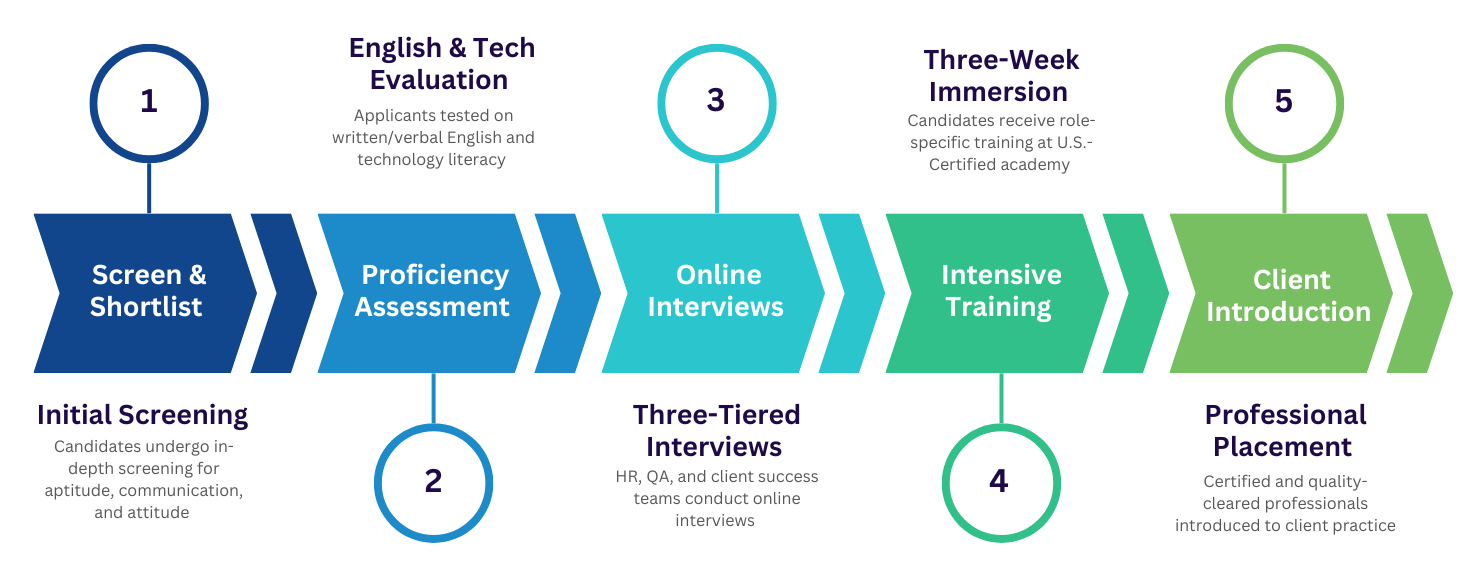
From early screening to choosing the right candidates to seeking excellence in their journey along the way, our digital training school has established itself as a provider of remote healthcare talent after evaluating them in a multi-stage hiring and training process. 


Our 5-Step Talent Pipeline 

pipeline followed at health&virtuals to train candidatesAs a renowned healthcare e learning hub, we pride ourselves on the rigorous and structured process for the selection of candidates. The multi-stage process ensures every virtual healthcare professional is fully prepared before deployment. 
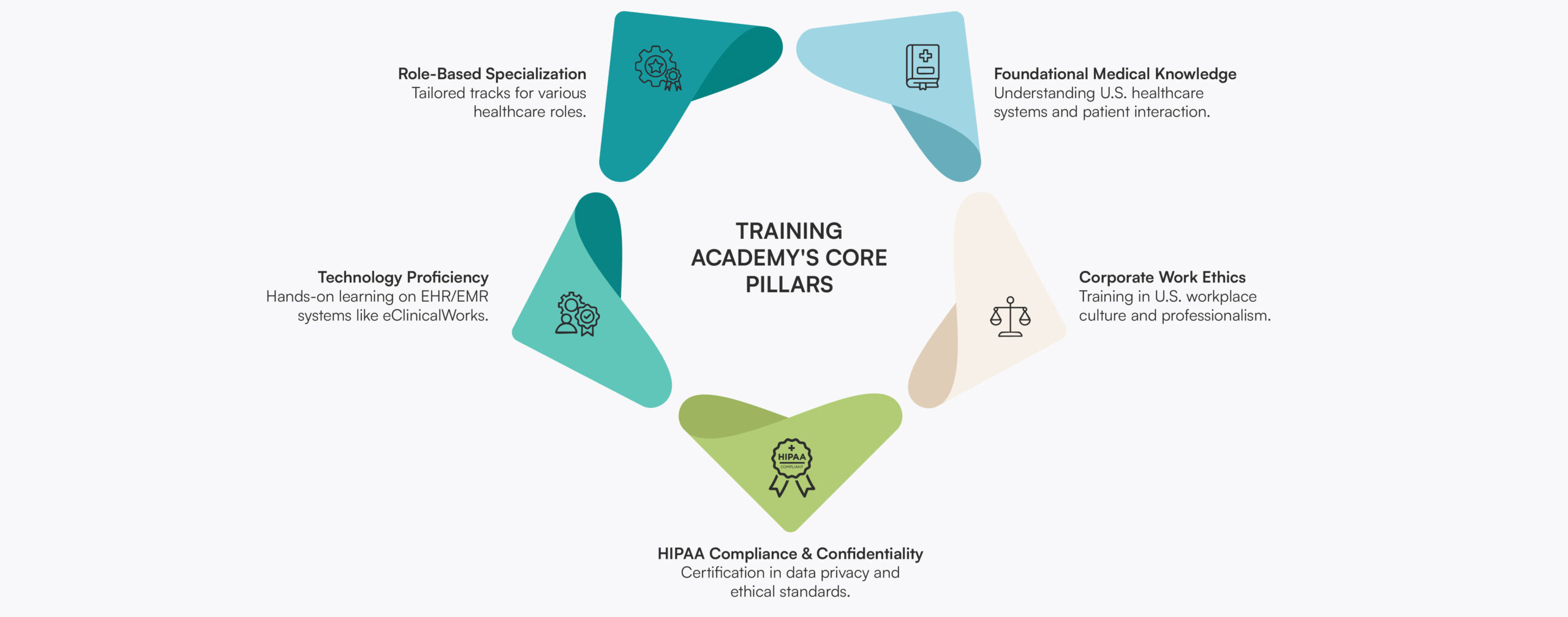
→ The first step is the screening, where potential candidates undergo an in-depth evaluation to check for aptitude, communication, and attitude. 

→ They are further short-listed on the basis of English and technology proficiency assessment.

→ Online interviews are then conducted at three stages – by Human Resources, Quality Assurance, and client success teams.

→ It is followed by intensive training of the short-listed candidates spanning three weeks.

→ Successful candidates are eventually matched with healthcare providers where they may utilize their clinical knowledge, compliance skills, and technology proficiency earned at our U.S-Certified academy. 


Our Training Process: Built for U.S. Healthcare Expectations

In the United States, where professional expectations keep soaring high, Health & virtuals exists to deliver high-quality healthcare training so you don’t have to. 

As professional healthcare training providers, our academy is equipped with experienced educators and industry experts to produce the next big thing in the market. 

The healthcare online training may only last three weeks, but the invaluable lessons learnt along the way will benefit the modern workforce long term. 


Key Features of Our Digital Training Academy 

While the program is primarily set virtually, our e-learning academy also offers live mentorship and real-world simulations, sparing no effort in delivering the best. Moreover, we ensure that re-training is provided in order to stay up-to-date with industry trends. 

Our training modules are underscored by consistent performance evaluation and feedback that hold candidates accountable to the highest of standards. With certifications in HIPAA for data privacy, confidentiality, and legal standards, our institute is the number one advocate for the protection of patient information in the digital workspace. 

Our Core Training Pillars

pillars of our digital excellence academyTo compete with the U.S. job market, our talent-acquisition program is built on a set of core training pillars designed to create well-rounded, job-ready healthcare professionals. 

1. Building Foundational Medical Knowledge

To gain a clear understanding of the U.S. healthcare system and apply best practices for patient communication and interaction, our trainees familiarize themselves with common medical terminology at our e-learning platform. 

2. Corporate Work Ethics

Ethics are an integral part of the healthcare workforce. Thus, our global healthcare training program puts a great emphasis on professionalism, accountability, and workplace conduct, all of them meeting the rigorous work culture in the U.S. 

This part of the program later helps professionals adapt smoothly to a remote team environment. 

3. HIPAA Compliance & Confidentiality 

Our participants are taught to fully comply with the Health Insurance Portability and Accountability Act, or HIPAA, by gaining certifications in patient data protection, ethical conduct, and the responsible handling of protected health information (PHI). 

4. Technology Proficiency 

Gone are the days when healthcare and technology were distant cousins; they now work closely together, driving practical, everyday solutions for healthcare practitioners. 

Electronic Medical Record (EMR) and Electronic Health Record (EHR) are two primary systems required for administrative purposes at a healthcare facility. Our healthcare online training also includes hands-on experience with the models of coordinated care so they can integrate seamlessly into real clinical workflows from day one.

5. Role-Based Specialization

You need not to worry about your field of specialization when it comes to choosing our institute. 

Our educators and trainers are professional experts who come from all kinds of medical fields to train the staff according to their preferred role across medical practices, dental clinics, chiropractic and wellness centers, hospitals, assisted living facilities, nursing homes, and administrative teams. 

The primary focus of our healthcare training academy remains accuracy, efficiency, and meaningful patient engagement.


Setting Global Standards in Virtual Healthcare Staffing 

student smiling and attending her online classesThe exigent nature of the healthcare system hardly allows for strict evaluation training before professionals are brought on board. As a result, many candidates enter fast-paced environments either underprepared or overwhelmed when real-world pressures set in.

Health & virtuals addresses this gap by prioritizing structured training and rigorous assessment, ensuring that healthcare professionals are confident, capable, and ready to perform before they step into virtual roles. 


Hire Now! Start Building Your Remote Healthcare Team with Health & Virtuals!

As virtual care becomes an essential part of healthcare delivery, having the right people in place matters more than ever. 

Health & Virtuals connects healthcare organizations with thoroughly trained, compliance-ready professionals who are prepared to integrate seamlessly into remote and hybrid care models. From clinical support to administrative roles, teams are built with precision, reliability, and long-term performance in mind.


Ready to strengthen your healthcare workforce? 

Connect with Health & Virtuals and get access to trained, certified professionals who are equipped with professional healthcare training and ready to contribute to your practice from day one. 


07Jan

What Does a Healthcare Virtual Assistant Do? Tasks and Duties!

The modern healthcare providers are continuously pressured to provide quality treatment to their patients and to handle administrative pressure. Appointment scheduling to verification of insurance can take hours that could be used by clinicians to attend to patients. 

Clinicians have been found to spend approximately 49% of their time in administration, and this is a major cause of burnout and lack of productivity. This increased pressure has caused the introduction of healthcare virtual assistants as a viable solution. 


What Does A Virtual Medical Assistant Do? 

Virtual Medical Assistant working remotely through his mobile and laptop

The medical virtual assistant is programmed to handle a broad spectrum of daily activities that allow healthcare practices to proceed with efficiency. 

Patient Interactions and Follow-Ups

The other major work that is carried out by a medical virtual assistant is to handle patient communication. They receive phone calls, e-mails, and messages on patient portals, address simple questions, and transfer significant information to the healthcare provider. 

Insurance & Eligibility Checks

A medical virtual assistant checks insurance and patient eligibility before the visit to prevent problems with billing in the future. They verify policy information, full payments, and approvals, making sure that the patient and the practice are ready in terms of money. This activity will minimize claims rejection and avoid delays in reimbursement.

Claims Support and Medical Billing

Medical virtual assistants are frequently used to help with billing issues, including charge entry, claims submission, and payment posting. They monitor claim statuses, make follow-ups on unpaid claims, as well as flag any discrepancies to be resolved. Virtual assistants can assist with the billing process by ensuring an even flow of cash and taking the load off administrative personnel.

Scheduling Appointments and Calendar Management

An onsite or remote medical virtual assistant is the one who takes control of bookings, rescheduling, and cancellation of appointments to maintain the calendar of the provider in an orderly and well-operating manner.

They also provide automated reminders, pre-book appointments, and change schedules upon request to minimize no-shows. 


Duties of a Virtual Medical AssistantVirtual medical assistant following up on his daily tasks assigned to him

Whereas medical virtual assistant tasks are the actions that assistants perform, duties are their tasks in general, and how they will be incorporated into your practice culture.

→ Electronic Medical Records Management

Maintaining electronic medical records with accuracy and up-to-date information is one of the most important tasks of a virtual medical assistant. They add patient details, post medical reports, and make sure that documentation is accurate and well-structured. Accurate records would aid in improving clinical decision-making and assist practices in staying within the healthcare regulations.

→ Coordination with Healthcare Teams

Virtual medical assistants are significant in the process of organizing communication among healthcare providers, laboratories, pharmacies, and referral partners. They make referrals, order test results, and follow up to maintain continuity of care. This will prevent treatment delays and make treatment more efficient.

→ HIPAA Compliance and Data Security

Privacy of patient data is a very important task of a virtual medical assistant. They operate under protocols that are HIPAA-compliant, and they also utilize secure communication tools and are very strict when it comes to maintaining confidentiality. 

→ Administrative Oversight and Supporting Practice Reporting

One of the major benefits of a medical virtual assistant is that they aid in reporting and administrative control, which prepares operational reports and monitors the key performance indicators. 

These insights assist healthcare providers in tracking appointment trends, billing performance, and workflow efficiency. With their assistance, practices are able to make decisions that are informed without the additional burden of administration.

→ Scheduling, Patient Flow, and Operational Support

Virtual medical assistants working as virtual schedulers manage your appointment scheduling. They also do confirmations, cancellations, and rescheduling to maintain an organized patient flow. 

They help reduce no-shows. Through reminders and follow-ups, while ensuring provider calendars are optimized.

Their involvement improves time management for clinicians and enhances the patient experience by minimizing wait times and scheduling conflicts.

→ Patient Communication and Front-Office Support

VMAs often serve as a primary point of contact for non-clinical patient interactions. 

They can respond to inquiries ASAP. Providing appointment instructions, assisting with intake forms, and guiding patients through administrative processes. 

This clear and timely communication by VMAs can improve patient satisfaction and allow your in-office staff to focus on direct clinical care.

→ Workflow Optimization and Practice Scalability

By handling routine administrative and coordination duties, virtual medical assistants allow healthcare providers to focus on patient care rather than paperwork. 

Their support improves workflow efficiency. Also reduces staff burnout and enables practices to scale operations without increasing overhead costs. As practices grow, VMAs offer flexible, cost-effective staffing support aligned with your increasing needs.

Who Can Be the Beneficiaries of Virtual Medical Assistant Services?

Large hospitals are not the only ones that can use medical virtual assistant tasks and services. Their support can be helpful to a plethora of healthcare providers.

Virtual assistants are frequently employed by private practices and individual physicians to handle the administrative burden without necessarily investing in full-time employees. This enables small practices to run effectively whilst maintaining the overheads at a minimal level.

Specialty clinics like cardiology, dermatology, mental health, and practices of chiropractics also benefit immensely. 

Virtual assistants are able to perform prior authorization, referral management, and specialty billing without complication.

Moreover, when you hire medical virtual assistants, they are of great value to telehealth providers. With the continuous development of virtual care, assistants assist in taking care of online scheduling, patient registration, and remote recordings. 

The studies show that more than 80% of the patients have been using or intend to use telehealth services, having the necessity to be supported with virtual assistance that will help them.


Get the Best Healthcare Virtual Assistants with Health & Virtuals! 

Virtual medical assistant managing patient phone calls and inquiries remotleyIndeed, the choice of virtual medical assistant services for healthcare is the key to success in the long term. Health & Virtuals is a specialist in offering the best, professional, highly-qualified, skilled, and healthcare-trained virtual assistants that are familiar with the peculiarities of a medical practice. Our personnel are a perfect fit for your virtual medical assistant job description. 

Health & Virtuals selects and trains its candidates carefully for all necessary skills for medical virtual assistants to make sure they are knowledgeable in medical administration, EMR systems, billing processes, and communication with patients. Every assistant is trained on the HIPAA-compliant procedures, which will ensure data safety and privacy.


Book a free consultation now!


FAQs

Are medical virtual assistants HIPAA compliant?

Yes, because trained healthcare virtual assistants comply with the HIPAA requirements and have safe systems to manage patient data.

Is my EMR system compatible with a Virtual Medical Assistant?

The majority of the virtual medical assistants are programmed to be compatible with popular EMR systems and can be integrated into the software of your practice.

What does a virtual medical assistant do?

They are involved in planning, communicating with patients, billing, updating EMR, and other administrative healthcare duties.

Who can use virtual assistants?

A virtual medical assistant can be useful to physicians, clinics, telehealth providers, and even specialty practices.

Where do I get a good Virtual Medical Assistant?

Collaborating with other types of specialized providers, such as Healthandvirtuals, will provide access to trained, vetted, and compliant virtual assistants.


05Jan

Hire a Virtual Scheduler for Smooth Calendar Planning and Reliable Appointment Management

Here is something most healthcare administrators would agree about: without a virtual medical scheduler, a huge chunk of their day gets swallowed by scheduling. Not patient care. Not treatment planning. Just… scheduling.

And honestly? It’s killing productivity and causing financial loss.

The American Medical Association found that physicians working without an in-house or virtual scheduler spend nearly 16% of their workday on administrative tasks. That’s a waste of 1.5 valuable hours per day, every day, doing paperwork and managing appointments… these 1.5 hours can be spent better on patient care and saving lives, while a virtual meeting scheduler can take care of those tasks. 

Virtual scheduler can improve patient experience and reduce doctors burden through easy appointment bookingMeanwhile, the patient no-show rate across the United States is costing the U.S. healthcare system over $150 billion annually

Yes, think about that for a second. $150 billion. Just… gone. Because someone didn’t show up, forgot their appointment, or double-booked themselves.

Poor communication is one of the major reasons for these no-shows…maybe a missed confirmation call, a reminder text, or an email that never went out. 

In that case, you can bring a huge difference in your revenue by having a virtual appointment scheduler. 


What Is a Remote Scheduler?

Remote virtual scheduler planning and confirming patient appointments efficientlyA remote scheduler is essentially a remote professional trained to handle all your appointment, scheduling, and meeting logistics, remotely from wherever they are based. 

Virtual medical schedulers are very helpful for your healthcare practices in reducing the workload of medical professionals. They understand the unique chaos of medical scheduling.

A medical appointment scheduler working remotely, not sitting at your front desk (taking up space, requiring equipment, saving you in-house staff costs), but still reducing what your practice is losing due to patients’ no-shows. 

Using advanced digital tools, remote medical schedulers manage your calendar, coordinate appointments, send reminders, handle reschedules, and basically make sure your schedule doesn’t implode.

The key difference between a regular virtual assistant and a remote medical scheduler? 

Specialization. A general VA might help you organize your email or manage your social media. A medical scheduler knows about appointment coordination. They understand patient flow, medical terminology, and most importantly, HIPAA compliance. 

And unlike that front-desk person who’s simultaneously answering phones, checking in patients, and trying to find a patient’s history records? A remote scheduler can actually focus on scheduling, remotely, and dedicately!


Key Types of Virtual Scheduler Roles

Virtual schedulers are further specialized in their role, as your practice needs. Different sizes of practices need different expertise. 

For large multi-facility practices, a virtual scheduler’s role is further classified to make the workflow of the organization more managed and focused. 

virtual medical sheduler working remotely with his tabletYou can have these specialized services of a remote scheduler:

Virtual Medical Scheduler. They manage clinic calendars, coordinating follow-ups, and dealing with the specific requirements of medical appointment scheduling. 

Virtual Appointment Scheduler. More generally, supports any organization by coordinating and confirming appointments between different departments.

Virtual Meeting Scheduler. Organizes internal or client-facing meetings, ensuring calendars align and avoiding double-bookings.

Virtual Telemedicine Scheduler / Virtual Patient Scheduler. Specializes in scheduling telehealth appointments, confirming virtual visits, availability of required tools, and managing digital health workflows.

If you have a small-scale practice, you can hire a virtual scheduler trained to handle all the above-mentioned roles easily.


What are the Duties & Responsibilities of a Virtual Scheduling Assistant?

These are the duties your virtual scheduling assistance helps you with:

1. Patient Appointment Management

→ A remote appointment scheduler provides a complete healthcare appointment scheduling service; schedule, reschedule, and cancel appointments in real time for clinics, hospitals, or private practices.

Manage virtual appointment scheduling, in-office visits, follow-ups, consultations, and telemedicine sessions.

Send appointment reminders via phone, SMS, or email.

→ Your remote appointment setter reduces no-shows by confirming patient attendance and offering alternative slots.

2. Telemedicine & Virtual Care Coordination

→ Act as a virtual telemedicine scheduler, coordinating remote care sessions across time zones.

→ Prepare providers and patients with necessary instructions, links, or technical support before virtual visits.

3. Remote Medical Meeting Scheduling Support

Virtual scheduler organizing appointments and managing calendars for a healthcare practice→ Maintain accurate provider calendars as a virtual meeting scheduler.

→ Build optimized schedules that reduce gaps, avoid double-bookings, and increase patient flow.

→ Handle high-volume meeting demands in large-scale or multi-facility practices with efficiency and professionalism.

4. Patient Communication & Support

→ Virtual patient scheduler responds to scheduling inquiries, waitlist requests, and general patient questions.

→ Provide clear information about appointment requirements, prep instructions, and office policies.

→ Coordinate with nurses, billing teams, or support staff when appointments require insurance checks or documentation.

5. Administrative & Documentation Tasks

→ Update patient records with appointment outcomes, notes, confirmations, and follow-ups.

→ Scheduling assistance maintains accurate logs of calls, appointments, cancellations, and patient concerns.

→ Support providers with calendar management, meeting scheduling, and internal task coordination.

→ Generate daily or weekly scheduling reports for management.

6. Workflow Optimization

→ Calendar management virtual assistant responsible for identifying scheduling gaps and proposing improvements to fully utilize physicians’ availability and patient care.

→ Monitor patient flow to ensure minimal wait times and improved service delivery.

7. Customer Experience Enhancement

→ Virtual scheduler mainly creates smooth, frustration-free booking experiences for your patients.

→ Ensure prompt responses to inquiries for improved satisfaction and patient retention.

→ Help practices maintain a strong reputation through organized scheduling and reliable communication.


What are the Skills Required for a Virtual Medical Scheduler?

Digital scheduling system managed by a virtual schedulerWhile providing scheduling assistance, your virtual scheduling assistant must have these skills:

1. Core Administrative & Technical Skills

  • Advanced calendar management skills for coordinating with providers, locations, and schedules.
  • Technical proficiency with telemedicine scheduling platforms, patient portals, and scheduling software.
  • Fast and accurate data entry to maintain clean and updated patient records.
  • Familiarity with medical terminology, appointment types, and healthcare workflows.

2. Communication & Patient-Facing Skills

  • Clear, professional communication when interacting with patients, providers, and staff.
  • Empathy and active listening to support patients with appointment needs or concerns.
  • Conflict resolution skills for handling double-bookings, cancellations, or appointment disputes.

3. Compliance & Organizational Skills

  • Knowledge of HIPAA regulations and United States healthcare standards to ensure patient data confidentiality.
  • Strong attention to detail while providing medical scheduling services for verifying insurance, appointment requirements, and provider availability.
  • Time management and multitasking skills to manage large volumes of scheduling requests.
  • Problem-solving abilities to optimize schedules and reduce operational bottlenecks.

Why Hire a Virtual Assistant as an Appointment Setter?

Virtual scheduler smiling and performing her job remotelyHire a virtual appointment scheduler for your busy teams!

Let your professional medical team stay dedicated to patient care, and save their time by hiring a virtual assistant for appointment setting and other tasks.

→ Reduced Administrative Burden

Your clinical staff didn’t go to medical school to answer phone calls about appointment availability. Neither did your nurses get their training to spend 30 minutes playing phone tag with patients trying to reschedule.

When you bring in a dedicated remote scheduler, you’re offloading this entire category of work. Your in-house team can focus on what they’re actually trained for: patient care, clinical documentation, and treatment planning. 

→ Cost Efficiency

An in-house scheduler in the U.S. costs you roughly $35,000-$45,000 annually in salary alone. Then add benefits (health insurance, paid time off, retirement contributions).

That’s another 30-40% on top. Add more. Office space, equipment, software licenses, training time. 

A remote scheduler? Depending on where they’re based and their experience level, you might pay less than 50% annually. No benefits package required. No office space required.

24/7 / Time-Zone Flexibility

When you have someone who can handle appointment requests that come in at 8 PM. 

Or someone is scheduling your appointment, although your office is closed.

A healthcare appointment scheduling service provides your patients with their on-demand service. Providing coverage beyond your standard 9-5. 

Practice managers reported that the calendar management virtual assistant for evening hours, the scheduler books 15-20 appointments per week. That they would have completely missed otherwise. Helping their finances with significant revenue.

Improved Patient Experience

The scheduling experience is often a patient’s first real interaction with your practice. Remote schedulers typically provide a more dedicated and faster response. Their responses are within time, with clearer communication, and more consistent follow-up. 

They send reminders (which studies show reduce no-shows by up to 38%).

And when patients feel cared for from the very first interaction? They show up. They follow through with treatment plans. They refer friends and family. The whole relationship starts on a better footing.

Scalability

Your patient volume probably isn’t consistent year-round. Maybe you are slow in the summer. Or flu season hits. Suddenly, everyone needs appointments…

With remote medical scheduling services, you can scale up or down without the hassle of hiring, firing, or dealing with unused staff capacity. 

Need extra scheduling support for three months? Easy. 

Demand dropped? Adjust accordingly.


Hire Your Remote Scheduler with Health & Virtuals!

Hire Your Remote Scheduler with Health & virtuals

Health & Virtuals is your trusted virtual scheduling assistant recruitment agency that provides the best virtual scheduling assistants for doctors, healthcare, and hospitals.

At Health & Virtuals, we specialize in recruiting talented and qualified professional remote appointment schedulers. We train them in the healthcare sector. Our virtual scheduling professionals are thoroughly vetted, digitally skilled, and ready to integrate into your team from day one!

We provide virtual schedulers who are familiar with EHR systems, patient communication protocols, and the specific requirements related to medical appointment scheduling for doctors, clinics, hospitals, and telemedicine providers. 

Our vetting process includes practical assessments. We test whether they can actually handle the scenarios your practice deals with daily. 

We understand the unique needs of remote medical schedulers and offer a streamlined. Transparent hiring process to match you with the right candidates quickly and effectively.

We offer a ONE-WEEK free trial! You can only pay when you are satisfied with our virtual medical scheduler’s services.

Reach out to Health & Virtuals today.

Share what your practice needs, and get a flexible, customized plan NOW!


FAQs

What will it cost if I hire a virtual scheduling assistant?

Typical rates are usually set per hour. Your total monthly cost for scheduling assistance will depend on how many hours your virtual scheduler will work for you. 

Health & Virtuals provides fully flexible, customized support. For a full-time virtual scheduler, part-time or hourly-based remote appointment setter, or project-based calendar management virtual assistant. But in 50-70% cheaper than in-house staff.

What does a virtual scheduling assistant do?

They manage your entire schedule. Work as your appointment setter and calendar management VA. Remotely booking, rescheduling, sending reminders, and handling patient inquiries. They coordinate seamlessly with your clinical staff. To keep tracking no-shows and troubleshooting schedule issues.

Can a virtual assistant work with my existing scheduling software?

Yes. Health & virtuals’ trained and most experienced virtual schedulers are proficient with common systems like Epic, Cerner, Athena, Calendly, Acuity, Google Calendar, and Outlook. 

How do virtual medical assistants assist with appointment scheduling?

Virtual medical assistants handle your complete scheduling workflow. They do it perfectly, keeping it smooth. Because they are dedicated to this duty. So your schedule will be free from any no-shows and double booking errors. From initial patient contact and availability checking to booking confirmations, reminder protocols, rescheduling requests, and follow-up coordination. 

They understand medical terminology. Also, the provider workflows and HIPAA compliance requirements that general schedulers might miss.

Can virtual assistants manage content scheduling and publishing?

Other than appointment scheduling, virtual schedulers know the importance of content scheduling for businesses. Content-focused virtual assistants can also schedule your social media posts, blog publications, email campaigns, and manage content calendars across platforms like Hootsuite, Buffer, WordPress, and Mailchimp. 

Are virtual schedulers HIPAA compliant?

The individual isn’t. But Health & Virtuals provides virtual schedulers that are trained in United States healthcare standards and are HIPAA compliant. Responsible and protective of your data and information, securely.

How quickly can a virtual scheduler start working for my practice?

You can have your trained virtual scheduler onboarded within a few days, with Health & virtuals. Skills include background checks, training on major systems, and initial shadowing. They will be useful to you from day one.

Do virtual schedulers work across different time zones?

That’s actually one of the biggest advantages. You can hire someone in a different time zone to extend your scheduling coverage. Beyond standard office hours. They will capture your appointment requests that come in evenings or weekends when your office is closed.

02Jan

Faster, Accurate Healthcare Billing! Hire Remote Billing Coordinator & Medical Billing Specialist

The global medical billing outsourcing market reached $14.10 billion in 2023. It is expected to hit $41.9 billion by 2032. 

Why?

What is the reason behind this fundamental shift in healthcare organizations?

Why medical billing specialists are remotely revolutionizing the administrative backbone of modern healthcare.

Healthcare practices have discovered something crucial. Virtual medical billing coordinators deliver the same precision, often better efficiency, without the overhead costs. They opt to save the cost that drains operational budget, and outsource medical billing coordinators and medical billing specialists, and medical virtual assistants to support their practice. 

Healthcare providers using outsourced billing services can reduce their billing costs by up to 50%. That’s not accounting for the intangible benefits. They have faster claim turnaround, fewer denials, and better cash flow velocity with a medical billing specialist remotely working for them.


What Is a Medical Billing Specialist?

Pre-screened remote billing coordinators ready to support healthcare revenue operations

A medical billing specialist is basically a healthcare VA. Trained to work as a financial translator between healthcare providers and insurance companies. They take clinical documentation, the diagnoses, procedures, and treatments. Further convert them into standardized billing codes that payers understand and process.

They optimize your revenue cycle management process. Handling everything from claim creation and submission to payment posting and denial management. 

Medical billing specialists ensure that every service claim gets accurately documented, properly coded, and successfully reimbursed. Without a medical billing specialist, your healthcare practice would be just treating patients while watching your revenue disappear into administrative black holes.


Medical Billing Coordinator vs. Medical Billing Specialist

A medical billing coordinator and a medical billing specialist represent similar but different specified roles within the revenue cycle management.

The medical billing coordinator coordinates between multiple departments to maintain the RCM flow. They manage medical billing teams, track key performance metrics, and ensure that the entire revenue cycle runs smoothly. 

Medical billing specialists execute the RCM plan. They are hands-on with claim submissions, coding verification, payment reconciliation, and denial appeals. 

A remote medical billing coordinator might coordinate with the entire team of billing and coding. Ensuring consistent quality across all accounts while the medical billing specialists focus on accurate, timely claim processing.


Why Do Practices Need a Virtual Billing Coordinator?

a medical physician getting exhausted due to workload and demanding helpThe virtual billing coordinator serves a specific, strategic function that becomes more valuable as your practices grow. While individual medical billers handle claim processing, coordinators ensure the entire billing operation runs efficiently.
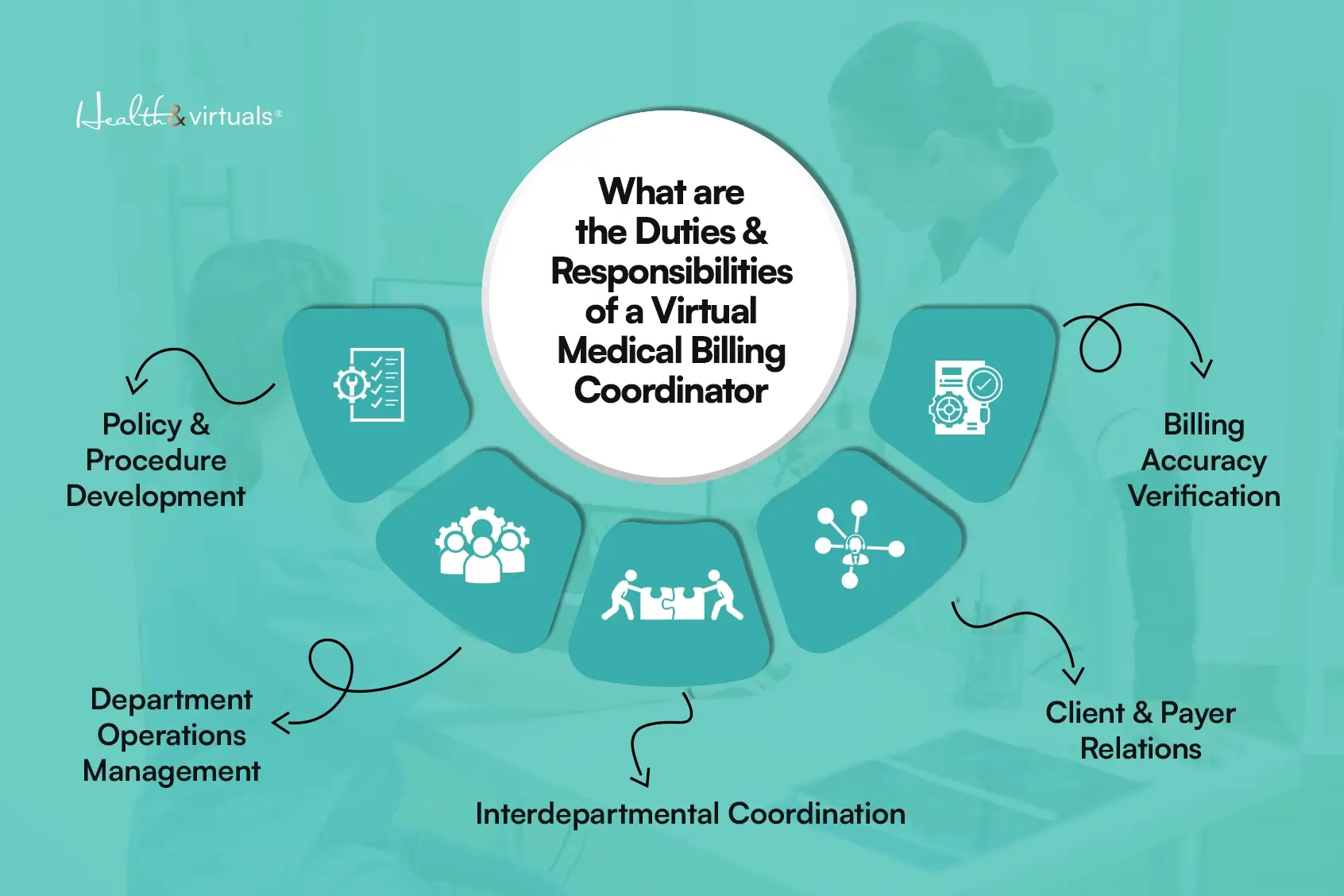


Consider what happens without effective coordination…

Claims sit in different stages across complex systems of revenue cycle management. Some billers follow up on denials immediately, while others let them age. Your documentation requests get lost between departments. Nobody’s tracking aggregate denial patterns or identifying systemic issues.

A virtual medical billing coordinator creates structure. They establish your workflows. Set performance standards, monitor key metrics, and ensure consistent quality across all billing activities.

For startups and scaling practices, virtual billing coordinators provide enterprise-level revenue cycle management without enterprise-level overhead. 

Multi-location facilities benefit from outsourcing a remote medical billing coordinator. They get centralized oversight that ensures consistent billing practices across all practice sites. 

The coordinator also serves as the communication bridge between billing staff and clinical teams, translating each side’s needs and constraints to the other. This alone prevents countless issues that typically slow down your revenue cycles.


What are the Duties & Responsibilities of a Virtual Medical Billing Coordinator?

Duties  and responsibilities of a Virtual Medical Billing Coordinator

These professionals work with medical billing specialists and are essential for protecting your practice’s revenue. Ensuring accounts are accurate and profits remain consistent. 

A reputable medical billing employment agency like Health & Virtuals provides trained professionals. In smaller practices, they might be the sole person doing both medical billing specialist duties and a medical billing coordinator’s duties. 

But in larger organizations, medical billing outsourcing utilizes them to serve as supervisory leaders coordinating multiple team members.

A remote medical billing coordinator’s core responsibilities include:

1. Interdepartmental Coordination

The main responsibilities of a virtual medical billing coordinator are basically to coordinate between departments. It is to ensure billing information accuracy. Serving as the critical communication bridge between clinical teams, administrative staff, and financial departments. 

They translate clinical documentation needs to providers and explain billing constraints to operations teams…

2. Policy and Procedure Development

Creating and implementing billing department policies is about establishing standardized medical billing processes. It is to ensure consistency, compliance, and efficiency. 

When issues arise, medical office billing specialists and billing coordinators develop solutions together that prevent recurrence.

3. Department Operations Management

Billing coordinators oversee all billing department operations. Coordinate with billing associates and sometimes train team members on departmental best practices. 

A remote medical billing coordinator works closely with a medical billing specialist, as they are responsible for the entire RCM operational flow. Including establishing workflows to monitoring performance metrics.

4. Client and Payer Relations

A virtual medical billing coordinator is also skilled to correspond with clients. They answer questions, resolve issues, and follow up on outstanding payments. 

To fulfill their duties and responsibilities, a billing coordinator must have diplomatic communication skills. 

5. Billing Accuracy Verification

Billing coordinators have to review medical billing issues with a virtual medical billing specialist sometimes to resolve issues. They ensure accurate financial records. 

Billing coordinators are involved in conducting regular audits and verifying that charges match documented services. They also ensure coding accuracy before claims submission.


What are the Virtual Billing Coordinator Skills?

A doctor engaging closely with a patient while administrative documentation is handled by a virtual medical scribe.

You need to have a problem-solving attitude and leadership capabilities. Also, the soft skills that enable them to navigate complex medical billing errors:

Qualification. A Bachelor’s degree in healthcare administration, business, or a related field is necessary, with further medical office billing specialist training.

Medical Billing Expertise. To be a remote medical billing coordinator, you should have billing specialist skills. Practices prioritize having candidates’ medical billing knowledge, communication skills, and attention to detail. 

Billing coordinators need a comprehensive understanding of billing processes, not just surface-level familiarity.

Medical Terminology and Coding Knowledge. CPT knowledge, accuracy, and understanding of accounts receivable processes are essential. While billing coordinators might not code claims directly. But still, they need enough expertise to review coding accuracy and identify documentation gaps.

Analytical and Problem-Solving Abilities. Virtual medical billing coordinators should be able to solve problems that arise concerning their work. When payment issues emerge or denial rates spike, billing coordinators must investigate root causes with the billing team and implement effective solutions.

Your analytical ability is a valuable asset that most medical billing employment agencies prioritize while hiring. 

Time Management and Organization. A remote billing coordinator should be skilled in time management. They have to manage their tasks wisely and prioritize executing various tasks, demonstrating strong time management and operations skills. 

Juggling team supervision, client communications, reporting deadlines, and strategic planning requires exceptional organizational capabilities.

Leadership and Interpersonal Skills. For proper coordination with the medical billing team and between departments, you should have advanced leadership and interpersonal skills.

Effective coordinators motivate team members, resolve conflicts properly, and create positive work environments even under pressure.

Technical Proficiency. The medical billing process requires working knowledge of computer systems and relevant medical software. With the ability to learn new programs being a plus. Modern billing involves practice management systems, EHR platforms, clearinghouses, and payer portals. Remote billing coordinators must navigate all of them efficiently.

Communication Excellence. Billing coordinators should be proficient communicators. Since they must communicate with people as part of their work. 

Professionalism and effective communication are necessary medical billing specialist skills. This includes written communication with payers, verbal discussions with frustrated patients, and clear direction to team members.

Attention to Detail.  A virtual billing coordinator should be detail-oriented in their job to avoid payment errors such as overpayment. 

A single misplaced decimal point or incorrect modifier can cost thousands in denied claims or compliance violations.


Where to Find Medical Billing Talent?

medical billing assistant helping medical assistant with medical billing remotelyFinding qualified billing professionals is easy; you can contact the best medical billing outsourcing companies. 
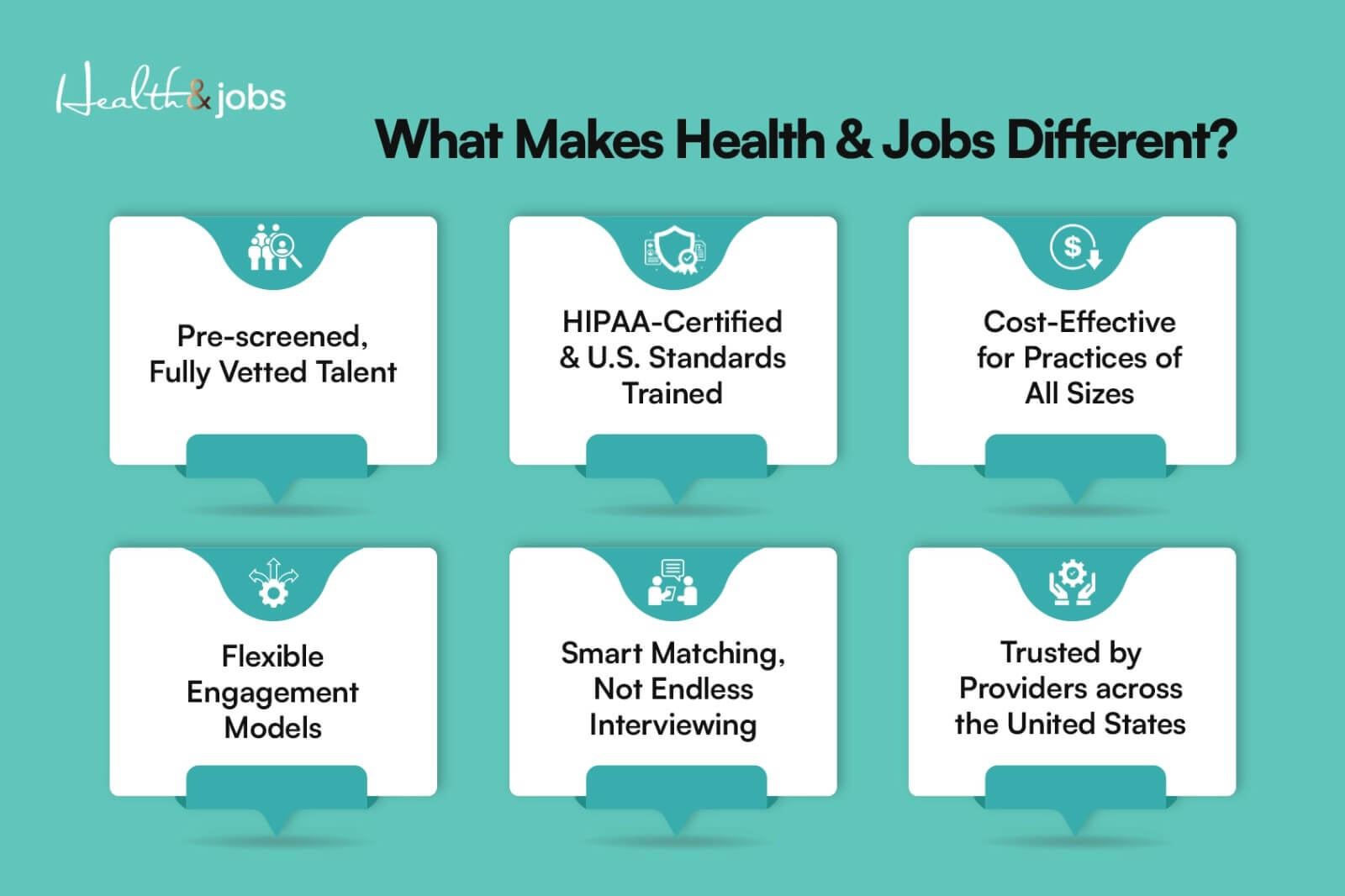
Multiple options exist, each with distinct advantages depending on your needs.

Medical Billing Recruiting Agencies.

Medical billing recruiting agencies specialize in identifying, vetting, and placing billing professionals in healthcare organizations. These agencies understand the specific required certifications for the United States healthcare standards. They understand the experience levels and technical skills required for different billing roles in your practice.

Working with recruiting agencies offers several advantages:

They maintain candidate pools of pre-screened medical billing specialist remote candidates.

They handle initial interviews, verify credentials, check references, and present only qualified candidates for your consideration.

Your benefit? Time and cost. Medical billing employment agencies typically charge placement fees. Often, a percentage of the hired employee’s first-year salary.

The process is usually less time-consuming, and you get your skilled, trained, remote talent within a few days. 

Medical Billing Temporary Agencies

When you need billing coverage quickly and temporarily, to handle unexpected volume, cover staff absences, or bridge gaps during permanent hiring, medical billing temporary agencies provide project-based or short-term billers.

Medical billing temp agencies maintain rosters of experienced billers available for immediate deployment. 

Need someone to handle the claims backlog after your biller’s unexpected departure? A temp agency in the United States can place someone within days. 

Planning a system conversion and need extra hands during the transition? Temporary support scales up when you need it and rolls off when you don’t.

The flexibility of medical billing employment agency relationships makes them particularly valuable for practices with variable billing volumes or seasonal fluctuations. 

You’re not committed to permanent headcount increases. With temp agencies, you only pay for the coverage you actually need.


What are the Benefits of Hiring a Virtual Billing Coordinator Over In-House Staff?

You can have many benefits of hiring a virtual billing coordinator, from a trusted remote talent company like Health & Virtuals…

The financial advantages start with obvious savings. No office space, no equipment, no benefits, overhead beyond compensation.

 For many practices, this alone represents a 40-60% cost reduction compared to equivalent in-house positions.

A virtual coordinators often bring broader experience. Having worked with multiple practice types, payer mixes, and billing systems, they can improve your workflow. Making them better based on proven approaches from other organizations.

Geographic flexibility matters. With virtual hiring, you’re selecting from a global talent pool rather than settling for any available option within commuting distance of your office.

Scalability represents another advantage. Need additional coverage during your busy season or a major clean-up project? Virtual coordinators can often adjust their hours or bring in additional support from their networks.

When volume decreases, you’re not stuck with underutilized full-time staff.

Remote billing professionals are productive and dedicated, away from office politics. They often demonstrate exceptional work ethic and quality standards. 

Some practices report that their virtual talent became their best employee. Without office distractions and commute fatigue, many remote workers deliver more focused, efficient output.


Why Hire Through Health & Virtuals?

Choosing the right virtual medical billing coordinator or certified medical billing specialist can make or break your practice’s revenue cycle. 

Health & Virtuals removes the guesswork and delivers talent that’s already trained, tested, and ready to perform.


What Makes Health & Virtuals Different?

What makes health and jobs different→ Pre-screened, Fully Vetted Talent

Every candidate is evaluated for technical billing skills and accuracy. They have software proficiency (eClinicalWorks, Kareo, Athena, Epic, etc.) and real-world experience across specialties.

→ HIPAA-Certified & U.S. Standards Trained

No need to worry about compliance or onboarding the basics.

We only provide professionals who understand U.S. payer rules, claim workflows, and documentation standards.

→ Cost-Effective for Practices of All Sizes

Our affordable pricing makes high-quality billing support accessible, even for small or newly established practices.

→ Flexible Engagement Models

Hire long-term, short-term, part-time, temporary, or project-based. Whatever fits your operational needs.

Smart Matching, Not Endless Interviewing

Our support team learns your practice’s size, specialty, billing software, and payer mix to match you with candidates who truly fit. All faster and more accurately than general job boards or traditional recruiters.

→ Trusted by Thousands of Providers across the United States

We serve healthcare practices in all states in America

Our candidates are language and culture-trained to coordinate with clinics, physician groups, and telehealth organizations across the country.

Contact us to get more details. Hire remote billing coordinators & medical billing specialists with Health & Virtuals and get the productive, appropriate, and flexible remote support for your practice.


FAQs

What is the difference between a billing coordinator and a medical billing specialist?

A medical billing coordinator oversees entire billing workflows, manages teams, tracks performance metrics, and ensures system-wide efficiency. A medical billing specialist executes hands-on tasks like claim submissions, coding verification, payment posting, and denial appeals. 

How much can practices save by hiring a virtual billing coordinator?

Practices typically save 40-60% compared to in-house staff. Also, the outsourced billing services can reduce overall billing costs by up to 30% through improved efficiency and reduced errors.

Are virtual billing coordinators as effective as in-house staff?

Often more effective. Virtual coordinators typically bring broader experience from working with multiple practice types and billing systems. 

What is medical billing outsourcing, and how does it work?

Medical billing outsourcing transfers entire billing functions to specialized service providers who handle everything from charge entry through payment posting and denial management. The global medical billing outsourcing market is projected to reach $44.30 billion by 2033.

Can small practices afford virtual billing coordinators?

Absolutely. Virtual arrangements eliminate the overhead costs that make full-time billing coordinators prohibitively expensive for small practices.