

The population of the elderly is growing, and shortages of nurses continue to afflict nursing homes worldwide. In fact, it is estimated that up to 900,000 nurses will retire out of the healthcare industry by 2027 and staffing is one of the major operational risks of care providers.
To fill this gap, virtual nursing models have become popular in many facilities, with registered nurses remotely delivering care via telehealth technologies. In case you are thinking about this model, it is essential to learn how to recruit the correct virtual RN.
What Is a Virtual Nursing Home Registered Nurse (RN)?
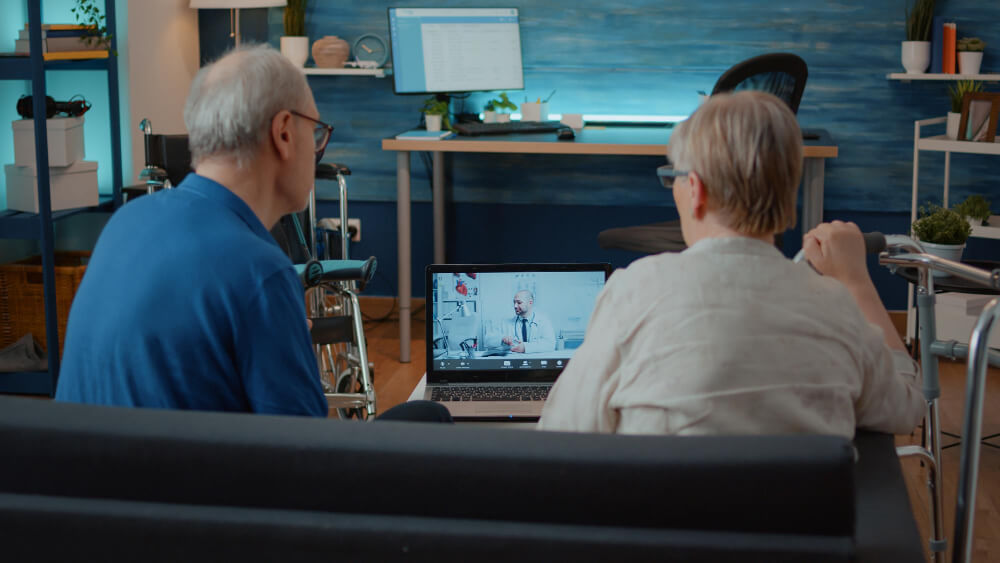
Virtual nursing home RN is a licensed nurse who delivers administrative and clinical care remotely through the application of digital technologies, including remote monitoring systems, video & electronic health records (EHRs).
As opposed to physical bedside nurses, virtual RNs are not on-site, but still participate intensely in patient care. They are able to retrieve real-time patient information, coordinate with on-site personnel & even inform clinical decision-making.
Why Hire a Virtual Nursing Home RN?
When it comes to hiring a virtual RN, it is not only about cost reduction, but also the enhancement of care delivery in the resource-limited environment.
→ Better Patient Outcome
Improved patient outcomes are some of the best reasons for hiring virtual registered nurses. In nursing homes, it has been reported that telehealth can reduce emergency department visits, which are 85 in every 1,000 residents.
This means that the older patients will have reduced stressful hospital transfers and continuity of care.
→ Reduced Clinical Hours
An operation case is very strong too. Virtual nursing can relieve the administrative and repetitive workload on the bedside nurses and enable them to concentrate on practical care.
Virtual nursing has helped to save tens of thousands of staff hours every year and increased patient satisfaction scores significantly in some healthcare systems.
→ 24/7 Patient Monitoring & Support
Virtual RNs enable round-the-clock monitoring. It is done without the need for additional in-house staff. They can track vital signs, respond to alerts, and provide immediate guidance to patients during clinical concerns.
This continuous oversight helps detect early warning signs of deterioration. Also prevents complications then ensures timely escalation when needed… ultimately improving patient safety, thus ultimately improving you revenue, helping your practice grow!
→ Enhanced Communication & Family Engagement
Virtual nurses also play a key role in improving communication between patients, families, and healthcare providers. They can conduct virtual check-ins. Providing updates and answering family concerns in real time enhances the availability of care at your facility.
This level of accessibility builds trust. Enhances transparency. Also ensures that families remain actively involved in the care process. Something especially valuable in long-term care settings.
→ Cost-Effective Without Compromising Quality
While cost reduction is not the only goal, it remains a significant benefit when you hire RN remotely. Virtual nursing reduces overtime expenses. Lowers your facility’s readmission costs and optimizes workforce utilization.
Facilities can achieve better financial efficiency while still maintaining… Or we can say, often improving, the quality of care delivered to residents.
→ Overcoming Staffing Shortages
Lastly, virtual nurses are useful in overcoming staffing shortages. According to surveys, three-quarters of healthcare leaders are convinced that virtual nursing is effective in finding nurses who are incapable of working bedside positions.
This increases the pool of talent, such as qualified nurses who are available on a flexible or remote basis.
Core Responsibilities of a Remote RN
 Although the demand for remote RNs is growing, it is crucial to understand how they can make a difference in the healthcare sector by knowing about their responsibilities.
→ Clinical Responsibilities
- Clinical control maintenance: A virtual RN is critical to ensuring clinical control. They accompany patient vitals with remote systems, evaluate the symptoms with a video consultation, and offer early intervention.
- Diagnosis: Virtual nursing even has the ability in some systems to diagnose ailments like sepsis hours before the event, and built-in AI systems, which increase the survival rate.
- Patient maintenance: This is also done when virtual care RNs perform a review of medications, revise care plans, and educate patients, in particular, about chronic conditions such as diabetes or heart disease. The complications can be prevented with the help of such interventions, and the hospital readmissions can be reduced.
→ Operational Responsibilities
- Administrative work: At the operational level, virtual RNs are involved with documentation, admissions, discharges, and coordination of care. It is important work and can take a significant amount of time sometimes for bedside nurses.
- Work reduction: Facilities can reduce work processes by outsourcing these duties to distant nurses. Other systems save up to two hours per nurse per shift due to virtual nursing support implementation.
Qualifications to Look for in a Virtual RN!

Recruiting a virtual RN demands a slightly different perspective on recruitment than the traditional one.
Here’s a list of qualifications or requirements mentioned in the Job description of a virtual registered nurse:
Here are the key qualifications to consider:
- Current RN License
A valid and active Registered Nurse license is non-negotiable, ensuring compliance with healthcare regulations and standards. - Educational Background (BSN or ADN)
A Bachelor of Science in Nursing (BSN) is often preferred for its broader clinical training, though an Associate Degree in Nursing (ADN) can also be suitable depending on the role and responsibilities. - 2–5 Years of Bedside Clinical Experience
Hands-on experience in patient care equips virtual RNs with the clinical judgment needed to assess, triage, and support patients remotely with confidence. - Telehealth & EHR Proficiency
Familiarity with telehealth platforms and Electronic Health Records (EHR) systems is critical. Virtual nurses must be comfortable navigating digital tools, documenting care accurately, and communicating effectively through virtual channels. - Strong Communication & Critical Thinking Skills
Since virtual RNs rely heavily on verbal and digital interaction… clear communication, active listening, and quick decision-making are essential for safe and effective patient care.
Too Much To Do?
At first glance, this may seem like a demanding checklist, and in many cases, it is!
Finding candidates who meet all these criteria, especially in a competitive healthcare market, can be challenging and time-consuming.
Partnering with a remote staffing company like Health & Virtuals allows you to bypass the complexities of recruitment.
We provide:
- Pre-vetted and background-checked nurses and 7 remote professionals for all sizes of practices and businesses.
- Professionals trained through our in-house digital programs.
- Candidates already skilled in telehealth and remote care delivery.
- Ready-to-perform, qualified, trained, virtual RNs who can integrate into your system from day one.
This not only reduces hiring time but also ensures you’re bringing in qualified, reliable talent without compromising on care quality.
What Are The Steps to Hire a Virtual RN?

If you’re thinking about hiring a Virtual RN, here’s how to get started.
→ Step 1: What Do You Need?
The first step in the hiring process is to define your needs. All nursing homes do not need the same amount of virtual support.
Others might require assistance with the admissions and paperwork, and some might need complete clinical supervision.
→ Step 2: Hire Yourself and Contact a Staffing Company
After identifying your needs, you will then need to determine whether to recruit a full-time employee or engage a remote staffing company for virtual nursing services such as Health & Virtuals. Or you can do it yourself as well.
→ Step 3: Screening
This is followed by candidate screening. In addition to licenses and certifications, screen applicants based on telehealth experience, communication skills, and problem-solving capacity.
Carry out video interviews to determine their interaction in a virtual environment.
→ Step 4: Onboarding
Onboarding is critical after the hiring. Offer training on your facility systems, workflow, and patient care guidelines. Virtual nurses need to blend seamlessly with on-site teams to work.
→ Step 5: Performance Measures
Lastly, set performance measures. Measure success by tracking outcomes like patient satisfaction, decreased number of hospital visits, and improved workload on staff.
If you use the services of Health & Virtuals, we take care of all that. All you have to do is share your requirement with us, and get a system-ready candidate trained to incorporate into your team seamlessly.
We take care of end-to-end hiring and recruitment management also. You just focus on your business. Rest is on us!
Cost of Hiring a Virtual RN
The price of a virtual home care RN may vary based on location, experience & agency or direct hiring.
But the actual worth is in saving on costs. The estimated cost of one registered nurse comes as around or above $52,000. Going remote can save significant dollars.
Moreover, decreased hospitalization and enhanced care coordination may decrease total health care costs. A single study established that telehealth programs resulted in monthly savings per patient, as well as reduced emergency visits.
Considering the big picture, virtual telehealth nurses can be more economical than conventional staffing solutions.
Technology Requirements for Virtual Nursing Home RNs

There must be a strong technological base to implement virtual nursing. Here are some pointers:
→ Telehealth Platform Support
The telehealth platforms supporting secure video consultations are at the center stage. They should be in line with the healthcare data rules to guarantee patient privacy.
→ EHRs
The health records allow the RNs to quickly update the patient files and get the history when needed.
→ Gadgets and Monitors
Remote registered nurses who are working remotely need gadgets and monitors for patient care. They can monitor using wearable watches and other sign monitors without physically being there.
→ Internet and IT Support
Stable internet access and IT support are also a requirement. Even the most competent virtual telehealth nurse cannot be effective without them.
Best Practices for Hiring and Managing Virtual Nursing Home Registered Nurses
Making virtual nursing successful is not about hiring but a matter of careful integration.
Role clarity: Start by clearly defining roles. Confusion regarding the roles to be performed is among the largest problems that healthcare systems have been reported to experience, and it may restrict the success of virtual programs.
Communication: Effective communication schemes are also essential. Focus on it and don’t take it for granted because it helps in remote settings.
Reviewing: The performance reviews and feedback loops that are conducted regularly will assist in finding the areas of improvement. Utilize statistics to optimize processes and efficiency.
Future of Virtual Nursing in Long-Term Care

Virtual nursing is here to stay, not a fad, but a paradigm change in healthcare provision.
According to surveys, more than half of healthcare organizations intend to increase virtual nursing programs, and they are becoming increasingly confident in the model.
Simultaneously, 66% of nurse leaders recognize telehealth as one of the main elements of a new model of care in the future.
With the rise of technology, virtual RNs and RN care coordinators will perform even more advanced functions, including predictive analytics and AI-based care monitoring. It will also increase patient outcomes and decrease operational strain.
In the case of nursing homes, virtual nursing is no longer a choice; it is now a requirement to remain viable.
Hire Skilled Virtual Nursing Home RNs with Health & Virtuals!

Finding the appropriate virtual RN, home healthcare, and nursing services online? It may be difficult, particularly when the demand is growing and the supply is scarce.
At Health & Virtuals, we focus on matching nursing homes with highly trained virtual registered nurses who are aware of long-term care.
Want to hire RNs?
We are ready to help every facility located anywhere in the United States! Find Us!
Contact us! Get your custom quote, NOW.
FAQs
Is it cost-effective to hire a virtual RN?
Yes, particularly in long-term savings. Virtual RNs save the cost of hospital visits, promote efficiency, and can assist in reducing turnover costs, which is a cost-effective investment.
Can telehealth nursing be safe among the elderly?
When implemented correctly, telehealth is safe and effective. It allows the constant surveillance, a quicker response, and better coordination of care- in most cases, it has better results compared to the traditional models.
Why is it better to have a virtual RN hired by families?
Families enjoy enhanced communication and better monitoring and less frequent hospital visits for their loved ones. Education and support are also offered by virtual RNs, making the families feel more engaged and confident.