
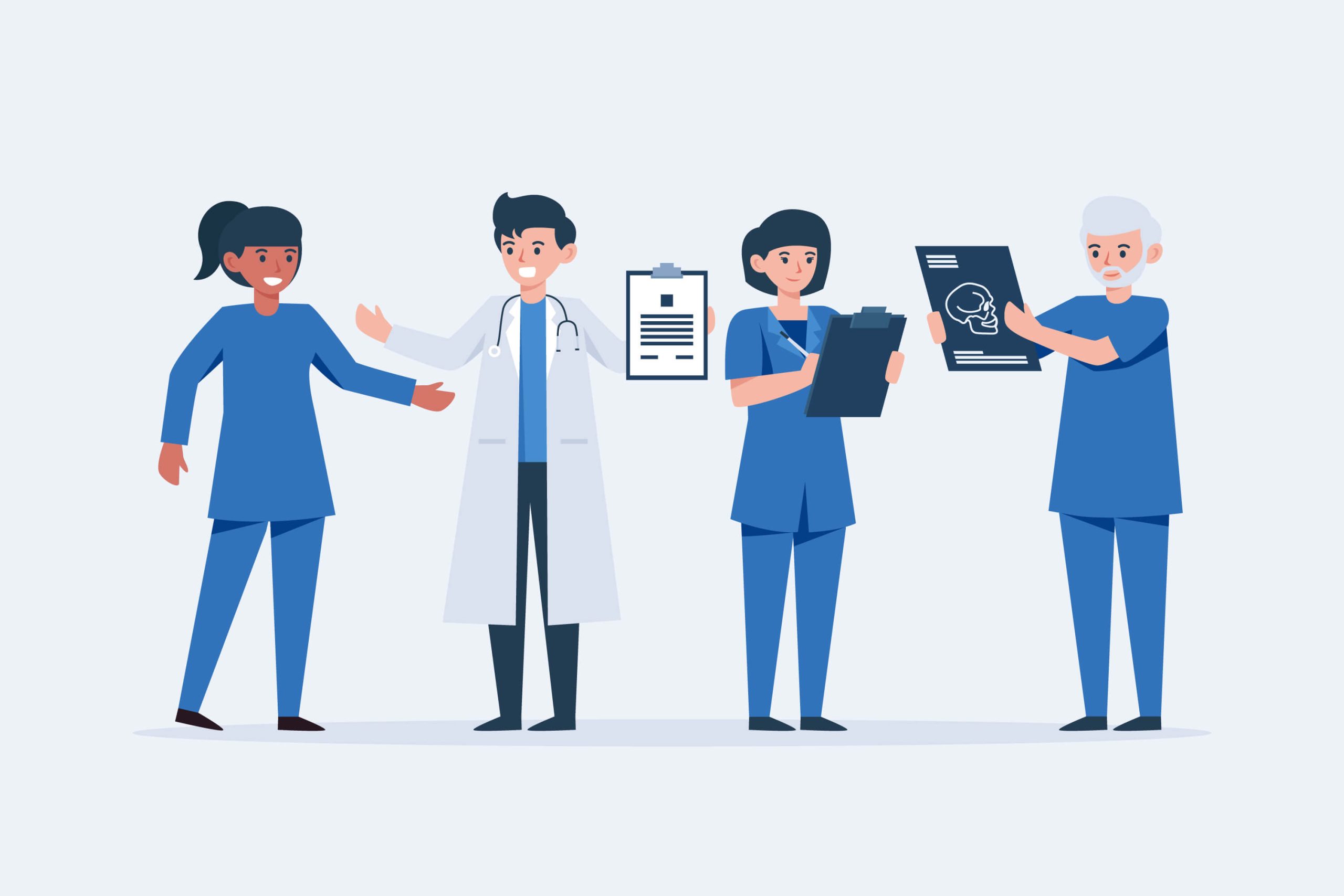
Physician Assistants (PAs) and Nurse Practitioners (NPs) are essential to providing solutions to the shortage of personnel in the health care system and enhancing access to care for patients. Statistics based on workforce estimates, the two are some of the fastest-growing healthcare professions, with the NP roles projected to increase by more than 40 percent and the PA roles by almost 30 percent within the next 10 years.
The differences between the roles of nurse practitioner vs physician assistants, although their functions are similar, can have a great influence on the functioning of healthcare practices, their magnitude, and patient care delivery. It is imperative to be aware of these differences, particularly in clinics that are contemplating virtual staffing solutions.
Virtual PAs and NPs can go a step further to increase their practice capacity through remote consultations and follow-ups, as well as documentation.
What Is a Nurse Practitioner (NP)?
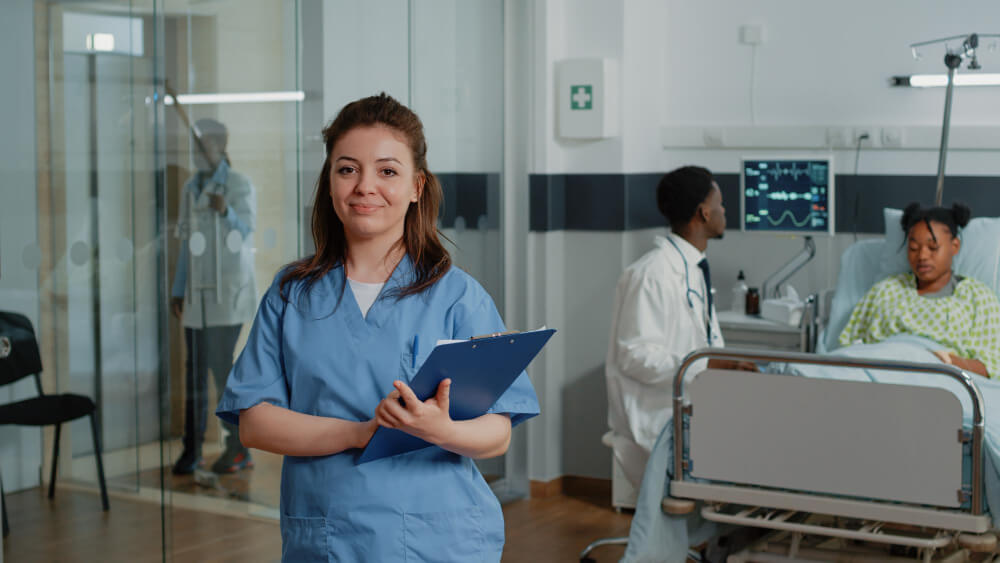
An advanced practice registered nurse who has finished graduate-level education, usually a Master of Science in Nursing (MSN) or Doctor of Nursing Practice (DNP). They need to qualify as registered nurses (RNs) prior to attaining this level, which may require years of clinical experience.
The nursing model is based on the training of NPs and their focus on patient-centered care, prevention, and holistic treatment. They may tend to focus on certain groups of patients, including family care, pediatrics, or geriatrics.
In most of the areas, especially in the U.S., nurse physicians have a great deal of autonomy- even to the extent of operating free-standing clinics.
Moreover, telehealth consultations, chronic care management, and preventive health programs can be supported by virtual NPs without having to visit the patient in person.
Key Responsibilities of an NP
Nurse Practitioners are deeply involved in both clinical and preventive aspects of care. Their roles are usually a combination of medical knowledge and patient education.
1. Testing and Diagnosis
They normally perform physical tests, diagnose diseases & prescribe drugs.
Moreover, NPs are also significantly involved in the treatment of chronic conditions, including diabetes or hypertension, which require constant surveillance and involvement of the patient.
2. Patient Counseling
In contrast to most other providers, NPs take an intense interest in counseling patients on lifestyle, mental health, and long-term wellness interventions as well. This integrative method frequently predisposes them to be a favorite in primary care practices.
3. Remote Monitoring
Virtual NPs are especially useful in the area of continuous patient education, remote monitoring, and subsequent care programs.
What is a Physician Assistant (PA)?
 A Physician Assistant is a licensed medical professional who is trained in the medical model, just like physicians. They undertake a master ‘s-level PA program, which incorporates considerable clinical rotations in several specialties.
In contrast to NPs, PAs receive training as generalists, i.e., they are not confined to a particular patient group and can transition to such specialties as surgery, emergency medicine, and internal medicine without any additional certification.
PAs are usually supervised by a physician, with the degree of supervision varying based on the regulations and the medical environment.
Remote virtual PAs would be useful to the physician because they would be able to help with their diagnostics, charting, and patient triage.
Key Responsibilities of a PA
Physician Assistants have numerous clinical duties with physicians and NPs; however, their efforts tend to be more of diagnosis and treatment.
1. Complete Patient Care
They conduct physical examination, order and interpret diagnostic tests, and prepare treatment plans in conjunction with physicians. PAs are often involved in surgeries and pre- and post-operative care in hospitals.
2. Versatile Duties
PAs are also quite versatile and able to switch between departments as they are required due to their wide training and, therefore, are useful in the high-paced setting such as the emergency room.
3. Virtual Documentations and Coordination
Virtual PAs have the potential to optimize workflow by assisting physicians in documentation, laboratory reviews, and coordinating patients.
Key Differences and Similarities!
| Aspect | Nurse Practitioner (NP) | Physician Assistant (PA) |
| Care Model | Nursing, holistic | Medical, disease-focused |
| Education Path | RN → MSN/DNP | Direct → PA Master’s |
| Clinical Hours | 500–1,000 (typical) | 2,000+ |
| Specialization | Early, population-based | Generalist, flexible |
| Prescribing | Yes (most regions) | Yes (with supervision) |
| Work Settings | Clinics, primary care | Hospitals, surgery, ER |
| Approach | Preventive, long-term | Diagnostic, acute |
| Autonomy | High (varies by law) | Moderate (varies) |
| Core Duties | Diagnose, treat, prescribe | Diagnose, treat, prescribe |
| Education Level | Master’s/Doctorate | Master’s |
| Telehealth | In-house and virtual | In-house and virtual |
Nurse Practitioner vs Physician Assistant: Key Differences
While they both may seem similar in respect to duties, there are some differences between NP and PA.
→ Education and Training
The academic courses of NPs and PAs are quite different. NPs start as registered nurses and continue with advanced nursing degrees, frequently focusing on a patient group at an early age.
In contrast, PAs are enrolled in master-level programs based on a medical school model, and graduate with approximately 2,000 clinical hours, as opposed to 500-1,000 clinical hours in many NP programs.
→ Scope of Practice
One of the most defining differences is autonomy. In several areas, NPs are allowed to work independently, diagnose, and prescribe drugs without being supervised by a physician.
A typical PA’s practice requires a collaborative agreement with a physician, although their practice is often quite independent.
→ Specialization Differences
NPs specialize early, deciding on such fields as family medicine or pediatrics as they train. This makes them very specialized yet less adaptable in moving across fields.
PAs are generalists, which means that they can move across specialties without further certification, which may be beneficial in dynamic healthcare settings.
→ Patient Care Approach
Nurse physicians have a patient-centered, holistic approach and focus on long-term wellness and prevention.
PAs are more of a disease-oriented approach to medicine, with more emphasis on diagnosis and treatment of conditions.
Similarities Between NPs and PAs
Although these two differ, there is a considerable overlap between the clinical duties of NPs and PAs.
- Same duties → Both are able to diagnose diseases, prescribe drugs & treat patients in different environments.
- Same Wages → They also receive similar wages, which are usually more than 120,000 per year, and are both highly sought after since there is a shortage of physicians.
- Same professional goal → Notably, the two roles also help in enhancing patient access, decreasing waiting time, and improving efficiency in healthcare delivery.
- Potential virtual nature → Virtual staffing enables NPs, as well as PAs, to provide care virtually, enhancing accessibility and minimizing operational expenses.
What Role Is Fit for Your Healthcare Practice?

The decision of pros and cons of nurse practitioner vs physician assistant would greatly depend on the requirements of your practice.
An NP can be a more suitable option in case you are interested in primary care, chronic disease management, and patient education because of the holistic approach and the possibility of working independently.
Conversely, a generalist training and medical-model background of a PA can be more appropriate in the case of what can be referred to as flexibility in your practice or in the surgical assistance, as well as support in high-acuity environments.
Both roles are being used in many healthcare organizations to develop a balanced model of care- combining the strengths of each.
If you’re looking for a virtual medium for hiring healthcare professionals, you’ll be happy to know that virtual PAs and NPs are even more flexible in that practices can scale services without contributing to physical infrastructure.
How Health & Virtuals Helps You Hire the Right One?

At Health & Virtuals, we understand that hiring the right clinical support can directly impact patient outcomes and operational efficiency. We offer the best for your healthcare practice:
→ We are among the best-trusted remote staffing providers in Florida and across the United States.
→ We match you with pre-vetted virtual Nurse Practitioners and Physician Assistants who can seamlessly fit into your workflows.
→ Telehealth support, patient follow-up, documentation, or care coordination, we assist you to grow smarter and not harder.
→ You can have a customized care team that meets your specific requirements—but without the cost of hiring in-house, with flexible hiring models and specialized talent pools.
If you’re looking to gather a virtual team of healthcare professionals, let us help you. Let’s sit and talk about how to take the work off your shoulders!
FAQs
What is the difference between an NP and a PA?
Their primary distinction is in the training and approach. NPs operate under a model of holistic care and can operate independently, whereas PAs operate under a medical model and usually are supervised by physicians.
Is NP superior to a PA?
There is no superiority of one role over another. They are separate careers, have different training options and roles, yet both offer advanced care to the patient, and they usually collaborate.
Is it possible to have an NP practice without a doctor?
Yes, in most areas, NPs are able to practice autonomously, such as diagnosis and prescription of medications. This is however subject to local regulations and licensing laws.